More in Product Management — page 22
How do you approach user identity stitching across devices?
Tests cross-channel identity resolution design. Strong answers capture a persistent anonymous ID per device, rekey to a person ID at login via field-based or graph-based stitching, and respect consent.

Trade-offs: third-party analytics SDK versus in-house pipeline
This tests strategic build-versus-buy judgment for data infrastructure. Strong answers weigh time-to-market, maintenance burden, data sovereignty, and compliance against core product focus.
Conversion metric dropped suddenly with no recent deployments; debug instrumentation causes
Distinguishing real regressions from telemetry pipeline failures. Segment by device, channel, and geography to spot uniform loss signaling a tagging break; verify vendor delays and sampling; check for consent or ad-blocker shifts.

How do you track page views in a Single Page Application?
This tests SPA analytics beyond classic page loads. A strong answer covers History API pushState and popstate events, framework router hooks like useEffect or afterEach, and beaconing views. A red flag is relying only on window.load or polling URL changes.

How do you measure data platform ROI and track it?
WHAT IT TESTS: Linking platform spend to business value and team health. ANSWER OUTLINE: Cite adoption, time to insight, downtime cost, and cost per workload; then describe cost tags and usage telemetry.
How would you develop balanced KPIs for a two-sided marketplace?
Tests dual-sided metric design beyond B2C playbooks. Strong answers define buyer and seller liquidity separately, prioritize match rate over GMV, and monitor supply-demand balance granularly.

How do you diagnose why a new feature's adoption is flat?
Tests structured analytics thinking across the adoption funnel. A strong answer maps discovery to habituation, segments cohorts, pairs behavior with feedback, and validates via experiments. Red flag: blaming UI without proving users know the feature exists.
Pitfalls of using conversion rate as a checkout North Star?
Tests if you know over-optimizing conversion can degrade revenue quality or trust. Strong answers cite lower AOV or fraud risks, then list guardrails like refund rate, lifetime value, and checkout errors. Red flag: insisting conversion is the sole metric.

How do you translate increase user engagement into a technical measurement plan?
WHAT IT TESTS: turning vague goals into metrics. ANSWER OUTLINE: align with PM to define engagement, map touchpoints for events, pick a north star and guardrails, then draft technical schema.
MRR: The Subscription Heartbeat
MRR is the monthly pulse of a subscription business. SaaS teams use it to forecast growth and measure churn. Counting one-time fees or annual contracts without proration inflates the metric and misleads stakeholders.
PII: Data That Identifies a Real Person
PII is any data that can identify a real person. Email addresses, IP addresses, and device IDs all count, so analytics systems must mask or hash them before storage. A leaked salt can still expose a hashed email, so do not assume hashing removes PII.
Ward Cunningham: Ship Early, But Repay Technical Debt
Ward Cunningham, who coined "technical debt," said shipping early to learn is like a loan: valuable only if you repay fast. Teams that never refactor see progress drop to zero as all effort goes to interest. Use debt to buy learning time, then refactor.
From Scrum Master to $200K AI Governance Officer
AI Governance roles hit $200K+, with Scrum Masters as top candidates under the EU AI Act. Like GDPR created the DPO, this mandates owners for AI inventory and risk, not lawyers.
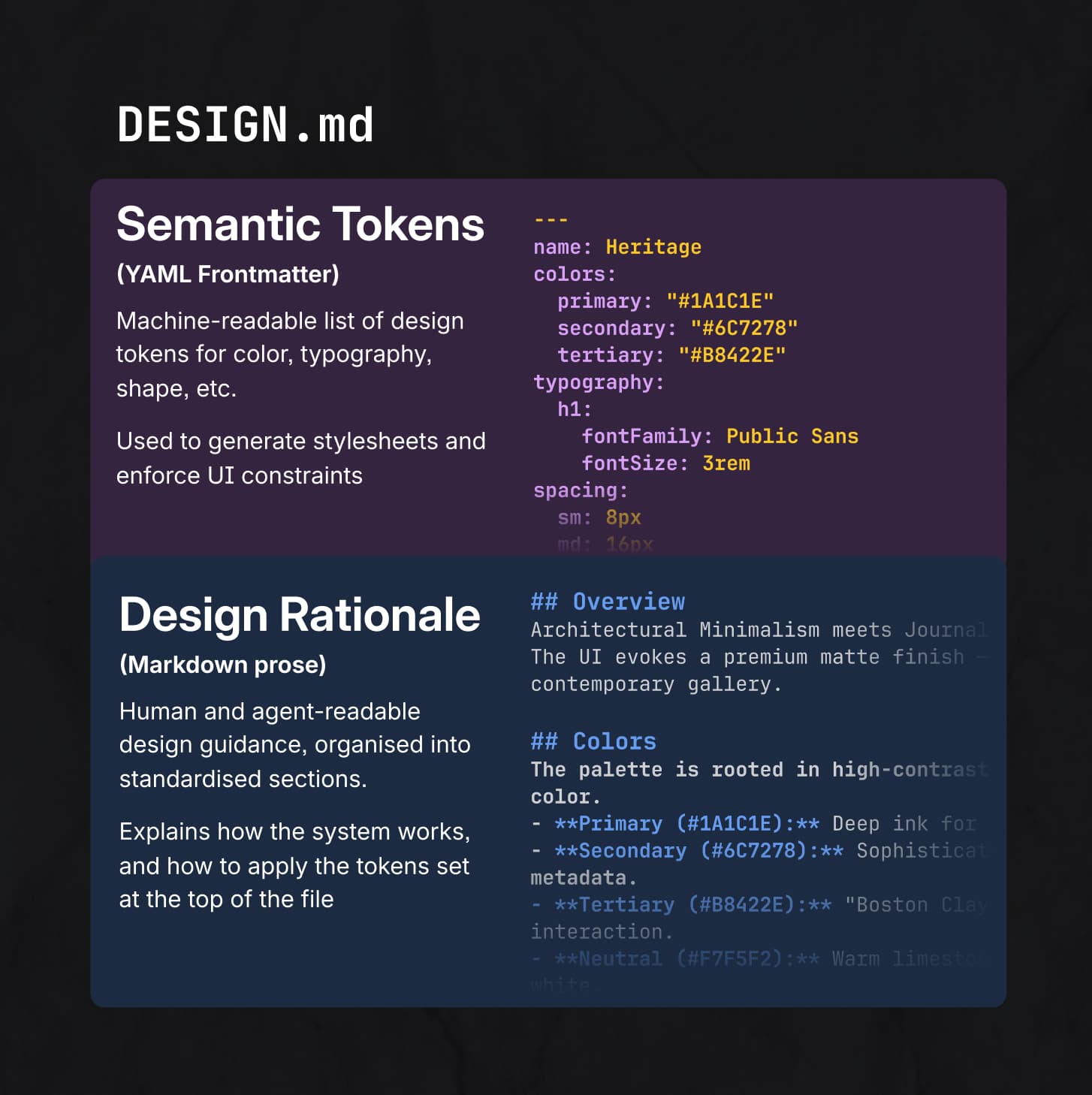
Atlassian: DESIGN.md trades depth for portability
Google's DESIGN.md cuts AI slop by giving agents portable brand context, but Atlassian found portability costs token efficiency and sophistication versus structured models. Weigh portability against depth for AI design workflows.
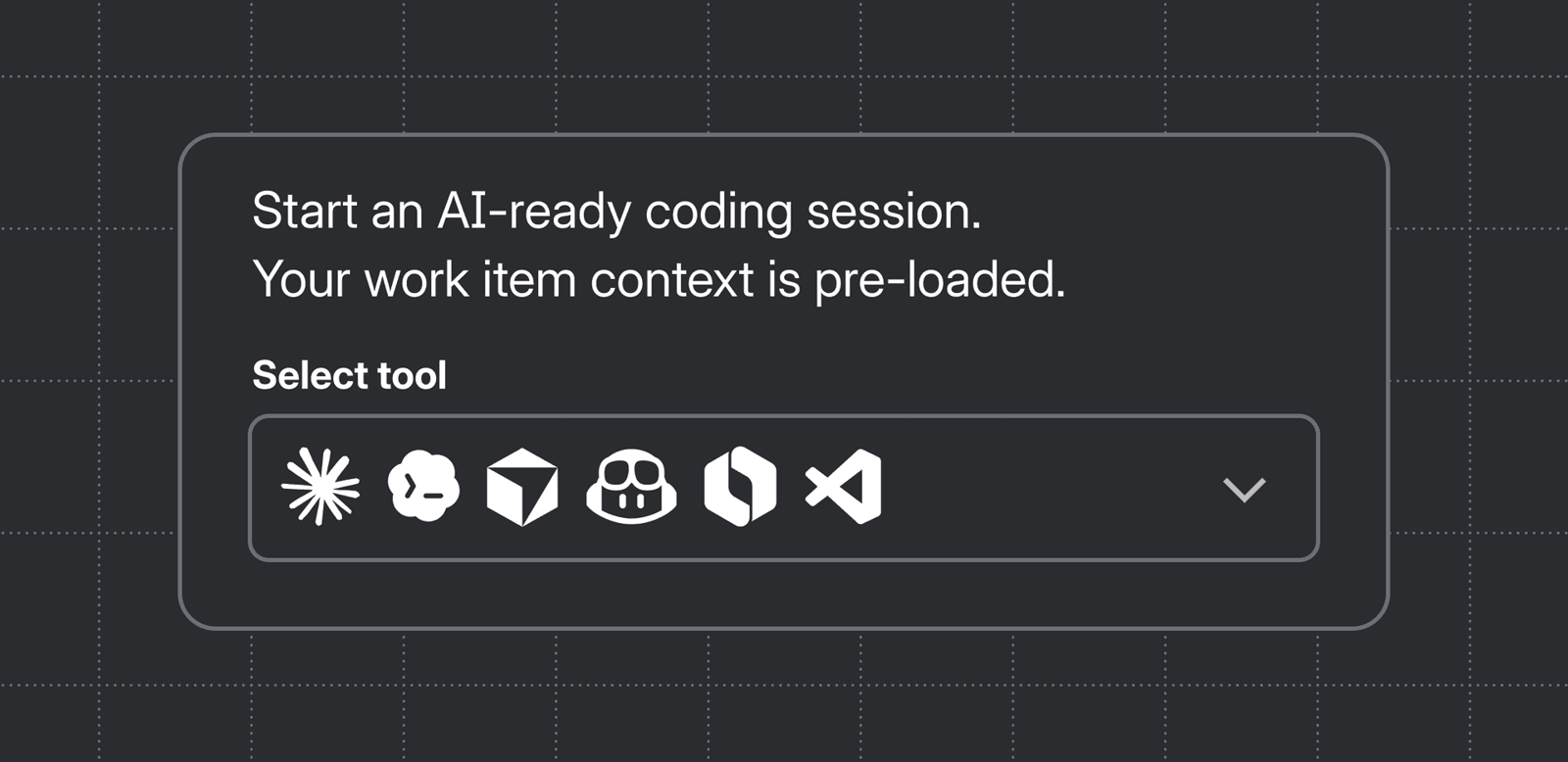
Jira adds one-click links to six AI coding agents
Jira now deep-links to six AI coding agents including Claude Code and Cursor, auto-filling work item context via Atlassian MCP to eliminate copy-paste. This removes the prompt-prep tax on every ticket for teams using Jira. Find it in the Development panel now.
Bitbucket beta adds live deployment status to PR lists
Bitbucket beta adds a Deployment column to PR lists showing live environment status per commit, cutting context switches to pipeline UIs during incidents. Existing Pipelines users get it automatically; others enable it by adding a deployment step to…

How would you frame technical debt for your manager's business case?
This tests translating debt into business risk and cost of delay. A strong answer quantifies velocity drag, proposes phased remediation via WSJF or capacity allocation, and offers roadmap trade-offs.

What is throughput and how does it differ from velocity?
Tests whether you know throughput is count-based and velocity estimate-based. Define throughput as items finished per sprint regardless of size, contrast velocity's point sum, pick throughput for forecasting and keep velocity for calibration.
How do you evolve a team from dependent to self-managing?
Tests situational leadership across Tuckman's stages. Answer: direct in Forming, facilitate conflict in Storming, observe in Norming, system-coach in Performing, and retire each stance as trust grows.
Velocity is fluctuating wildly. How would you coach the team?
Tests whether you treat velocity as a diagnostic, not a target. A strong answer checks story sizing, unplanned work, definition of done, and team stability before changing process. Red flag: demanding higher estimates or comparing teams to normalize velocity.