More in Product Management — page 66
Nudge Theory: Shaping Choices Without Forcing Them
Nudge theory influences behavior by subtly redesigning the environment where choices are made. It's used in product design to guide users toward desired actions, like setting smarter defaults.
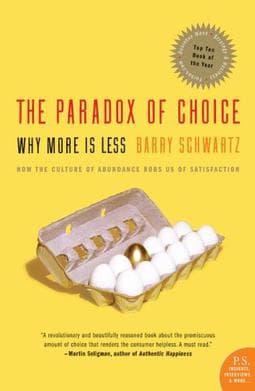
The Paradox of Choice: Why More Options Can Hurt
The Paradox of Choice argues that more options can decrease user satisfaction. Instead of empowering users, an explosion of choices in pricing tiers or feature settings can lead to decision paralysis. The footgun is assuming users want maximum choice.
The Peak-End Rule: Design for Memory, Not Averages
Users don't remember the average of an experience; they remember its most intense moment and its end. This shapes recall of onboarding, support calls, or checkout. The footgun is optimizing for overall 'goodness' while ignoring a painful peak or weak ending.
Anchoring Bias: The First Number You See Matters Most
The first number you see acts like a mental anchor, warping all subsequent judgments. This is used in pricing, where a high "original" price makes a sale price seem better, and in negotiations.
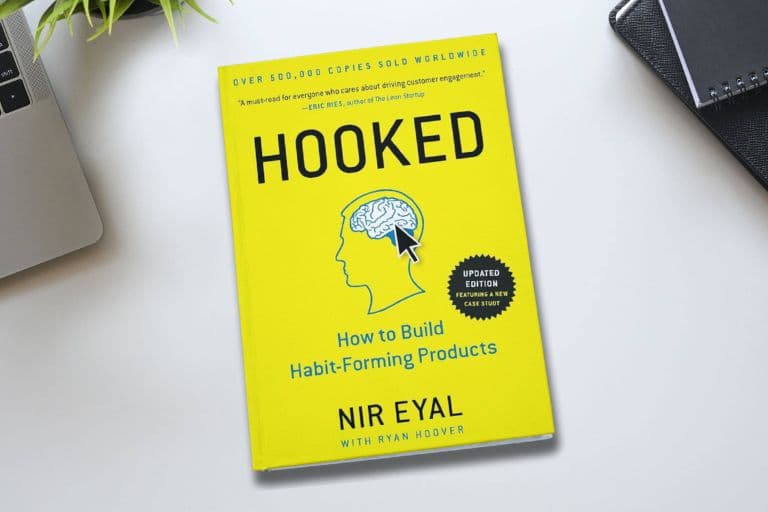
The Hook Model: Designing for Repeat Engagement
The Hook Model engineers user habits with a 4-step loop: Trigger, Action, Variable Reward, and Investment. It's a framework for building products people return to on their own, common in social media and games.

Fogg Behavior Model: Why Users Act (or Don't)
The Fogg Behavior Model states a behavior only happens when Motivation, Ability, and a Prompt converge (B=MAP). Use it to diagnose why a feature fails or to design new ones. The footgun is blaming low motivation when the real issue is low ability.
Social Proof: People Copy People
Social proof is the tendency to copy others' actions, assuming they reflect the correct behavior. It’s why we trust a product with thousands of positive reviews or a restaurant with a long line. The footgun: the crowd can be wrong or even faked.
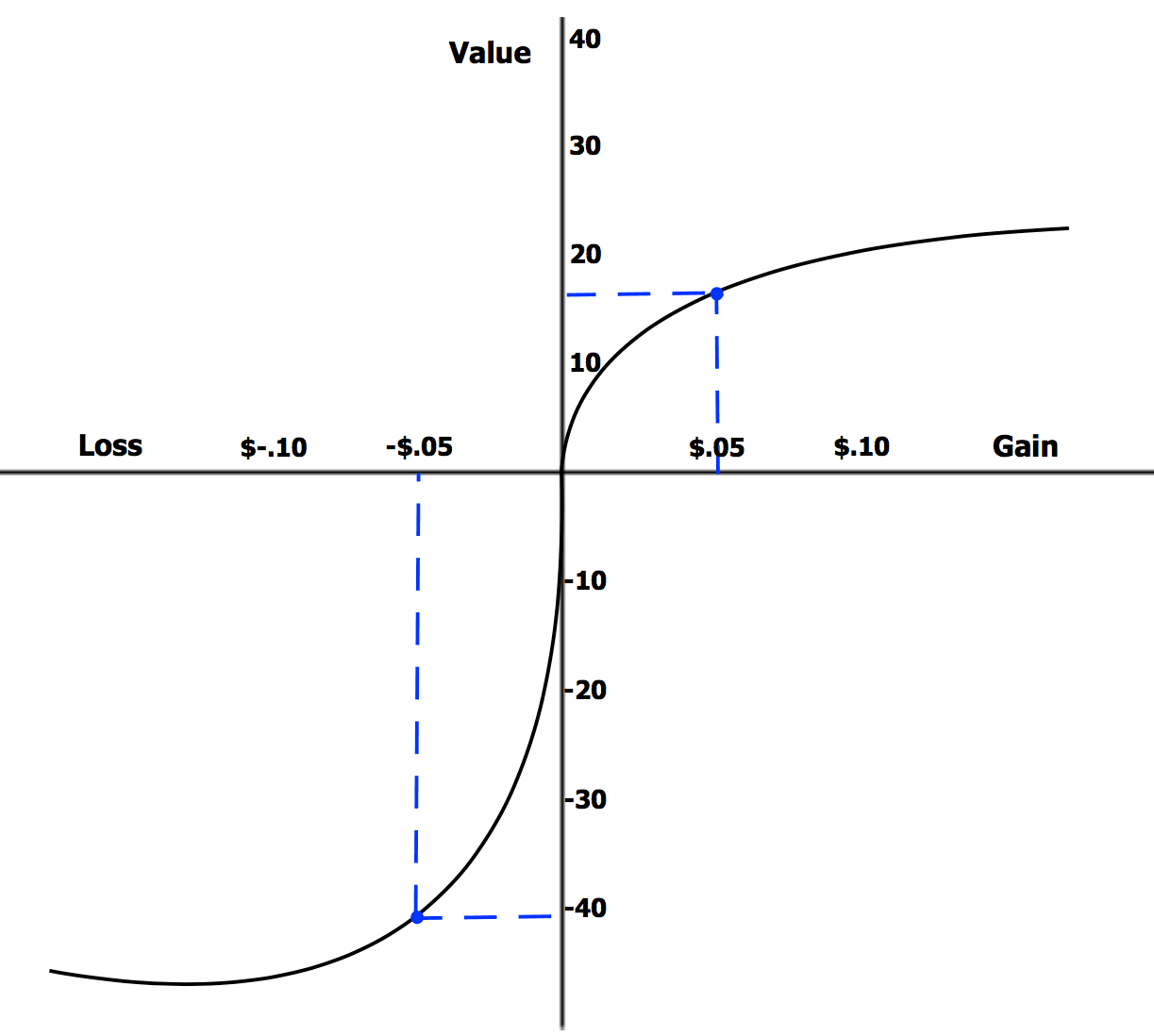
Loss Aversion: Why Losing $10 Hurts More Than Gaining $10
Loss aversion is the bias where losing something feels twice as bad as gaining the same thing feels good. It drives user behavior in free trials and pricing. Don't confuse this emotional reaction to framing with rational risk aversion.
Schema-on-Read vs. Write: Pay for Structure Now or Later?
Schema-on-Write pays to structure data upfront for fast, consistent reads. Schema-on-Read defers this cost to query time for flexible ingestion. This choice underpins relational databases (write) vs. data lakes (read). The footgun is creating a data swamp.
Attribution Modeling: Who Gets Credit for a Conversion?
Attribution modeling decides how to credit different marketing channels for a conversion. It's like splitting a sales commission: does the first call, the final meeting, or everyone involved get credit? The footgun is using a simplistic model like last-touch.
Identity Resolution: Stitching User Profiles Together
Identity resolution stitches together scattered user data into a single profile. It's like a detective matching a phone number from your CRM and a cookie from your website to the same person.

The Data Layer: A Central Hub for Website Events
A data layer is a central JavaScript object acting as a message bus between your site and analytics tags. It passes event data, like button clicks or purchase values, in a structured way. The key footgun: never overwrite it; always use `dataLayer.push()`.

Event-based Analytics: Tracking User Actions, Not Page Views
Event-based analytics tracks specific user actions—clicks, purchases, signups—not just page views. This model powers product analytics tools to map user journeys and measure feature adoption. The footgun is tracking everything, creating noisy, unusable data.
RARRA Framework: Retention Over Acquisition
The RARRA framework flips the classic AARRR funnel, prioritizing Retention over Acquisition. In crowded markets, it's cheaper to keep a user than to find a new one. Use it when acquisition costs are high.
Customer Lifetime Value (LTV): A Customer's Future Net Profit
LTV predicts the total net profit a customer will generate over their entire relationship. It's used to set marketing budgets and prioritize features for high-value users.
Churn Rate: How Fast Your Business is Leaking
Churn rate is your business's leak rate—the percentage of customers lost over a period. It's a vital health metric for subscription services like SaaS or streaming. The footgun?

User Activation: Engineering the 'Aha' Moment
User activation engineers the 'aha' moment when a new user first experiences your product's value. It's measured by a key action, like sending a message in Slack, that predicts retention.
The Customer Lifecycle: From Prospect to Advocate
The customer lifecycle maps the journey from first contact to loyal advocate. It's used to decide when to send a welcome email (acquisition), a loyalty discount (retention), or a 'we miss you' offer (win-back). The footgun is focusing only on acquisition.
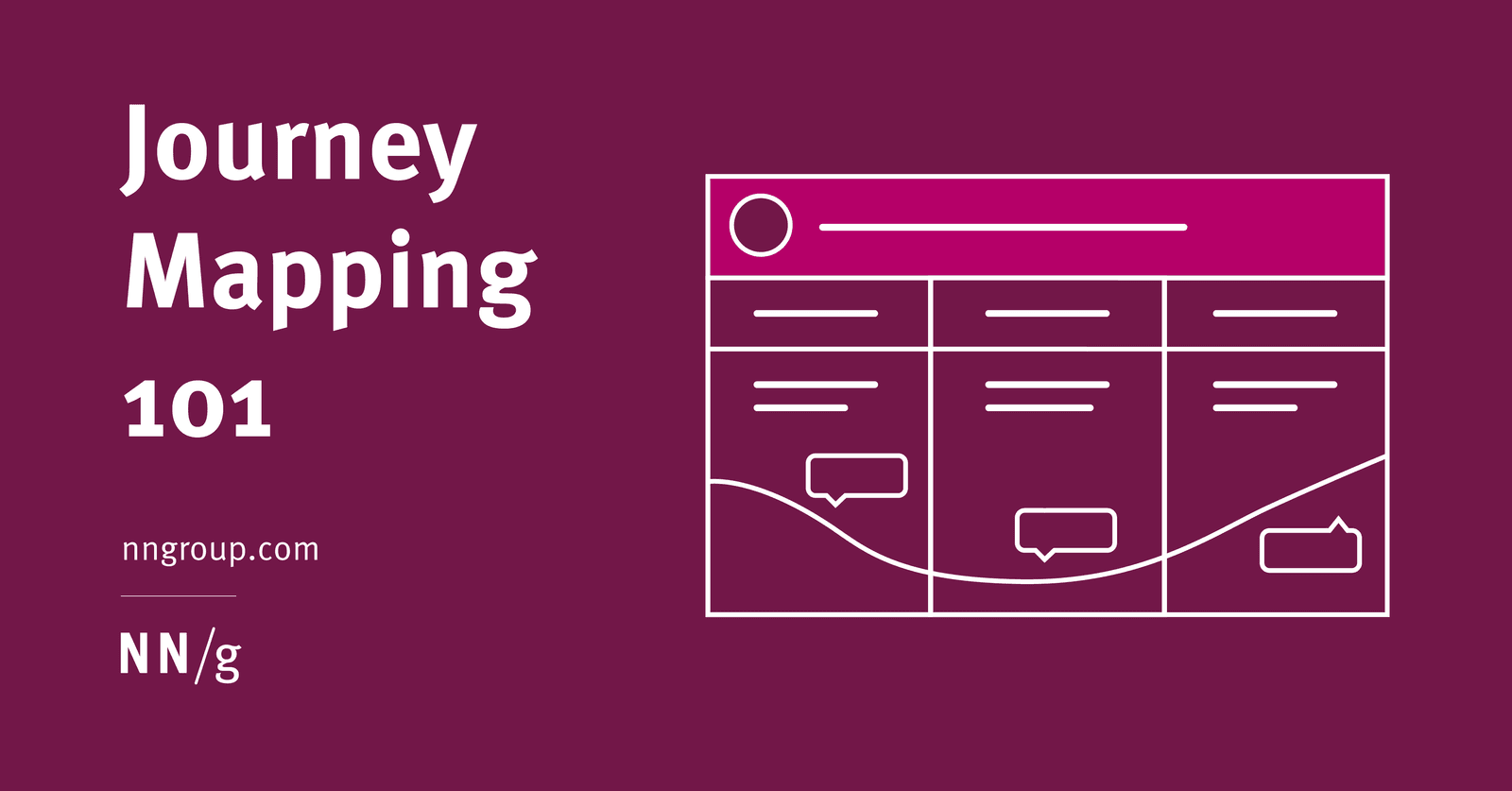
User Journey Mapping: Seeing Your Product Through a User's Eyes
A user journey map tells the story of a user achieving a goal, visualizing their actions, thoughts, and feelings from start to finish. It's essential for understanding complex, multi-channel processes.
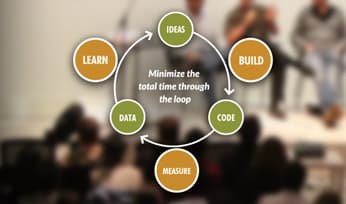
The Pivot: A Structured Change in Strategy, Not Vision
A pivot is a structured course correction, not a restart. You change strategy based on validated learning from your MVP when data shows your initial hypothesis was wrong. The footgun is pivoting on a whim instead of data, or failing to pivot despite it.