More in Product Management — page 65
Affiliate Marketing: Your Extended, Commission-Only Sales Team
Affiliate marketing is like having a commission-only sales team. You pay partners for actual results—sales or signups—not just for ad views. It's used by e-commerce stores with bloggers or SaaS companies rewarding referrals.
Email Marketing: Your Direct Line to Customers
Email marketing is your owned communication channel, a direct line to customers not controlled by an algorithm. Use it to nurture leads, announce features, or drive sales. The footgun is sending generic blasts instead of segmenting for relevance.
Social Media Marketing (SMM)
Social media marketing (SMM) is a two-way conversation, not a digital billboard. It uses platforms like Instagram or TikTok to build a brand, launch products, and gather feedback directly from customers.
Content Marketing: Earn Trust, Not Just Clicks
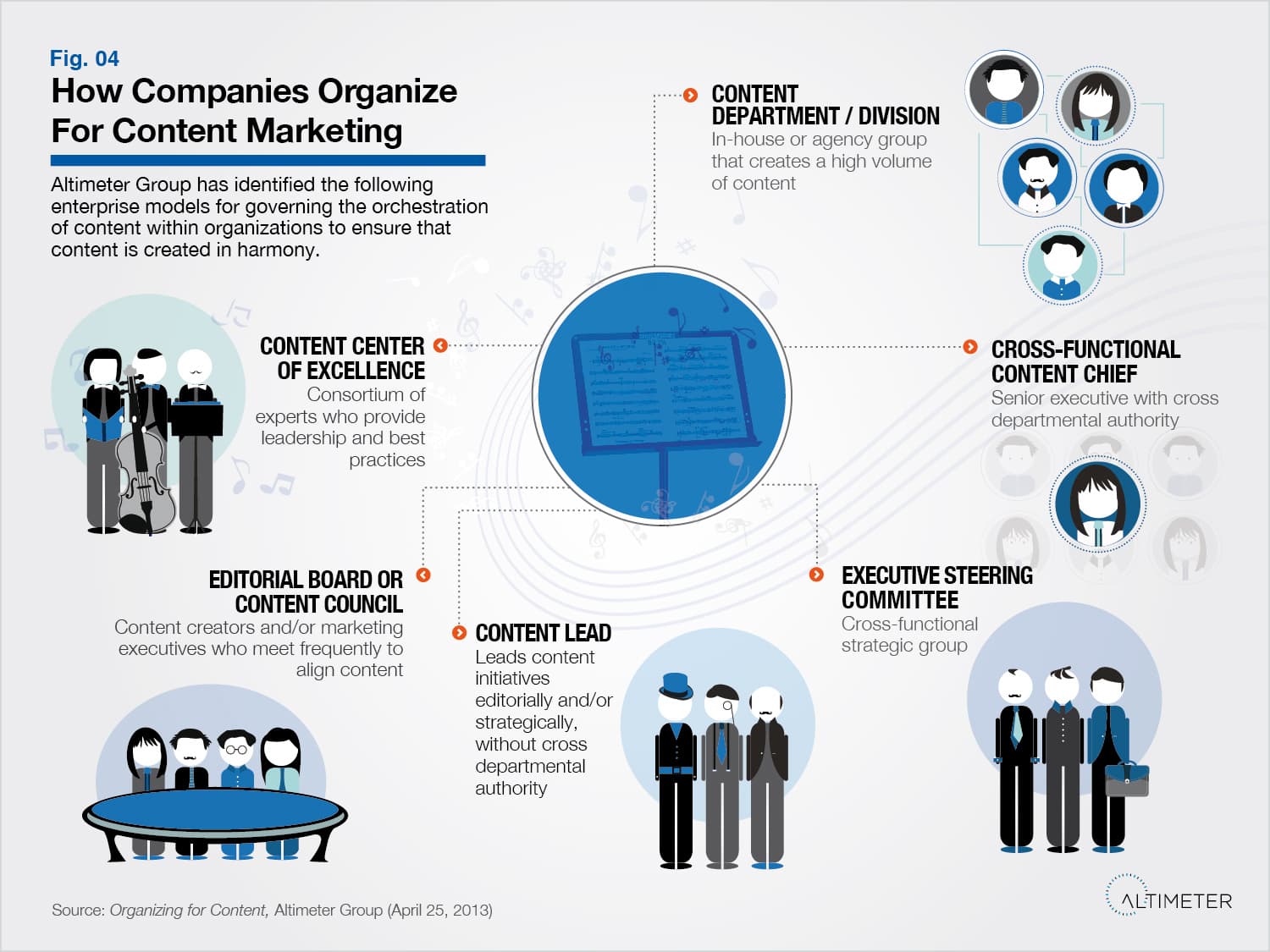
Content marketing earns trust by giving away valuable information for free. It's used in company blogs or whitepapers to attract an audience by solving their problems, not just pushing a product.
Search Engine Marketing (SEM): Paying for Clicks
Search Engine Marketing (SEM) is paying to place your website at the top of search results. It drives immediate, targeted traffic for product launches or lead generation, unlike the slow build of SEO.
Search Engine Optimization (SEO): Earning, Not Buying, Traffic
SEO is the practice of making your website attractive to search engines to earn unpaid traffic, not buy it with ads. It's crucial for being discovered via Google or Bing. The biggest footgun is treating it as a one-time trick, not a continuous process of.
Bonferroni Correction: Raising the Bar for Significance
The Bonferroni correction prevents finding false positives when running many tests by making your significance threshold stricter for each one. It's used in A/B tests with multiple variants.
Regression to the Mean: Why Outliers Settle Down
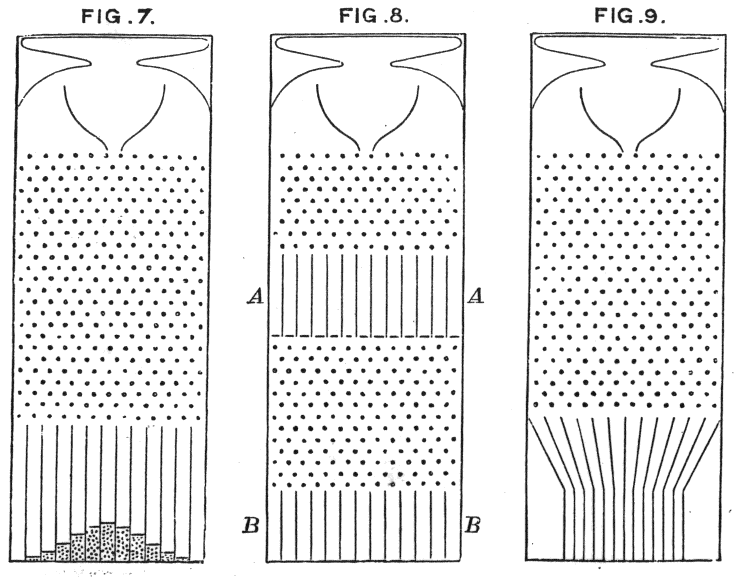
Extreme results are part skill, part luck. Regression to the mean is the principle that luck evens out, so a follow-up measurement will be closer to the average. This impacts A/B tests and performance analysis.
Novelty and Learning Effects in A/B Testing
The novelty effect is a temporary metrics lift from curious users exploring a new feature. The learning effect is the opposite: a dip as users struggle with a change. Both can mislead A/B tests if you don't run them long enough to see the true.
Chi-Squared Test: Are These Two Things Related?
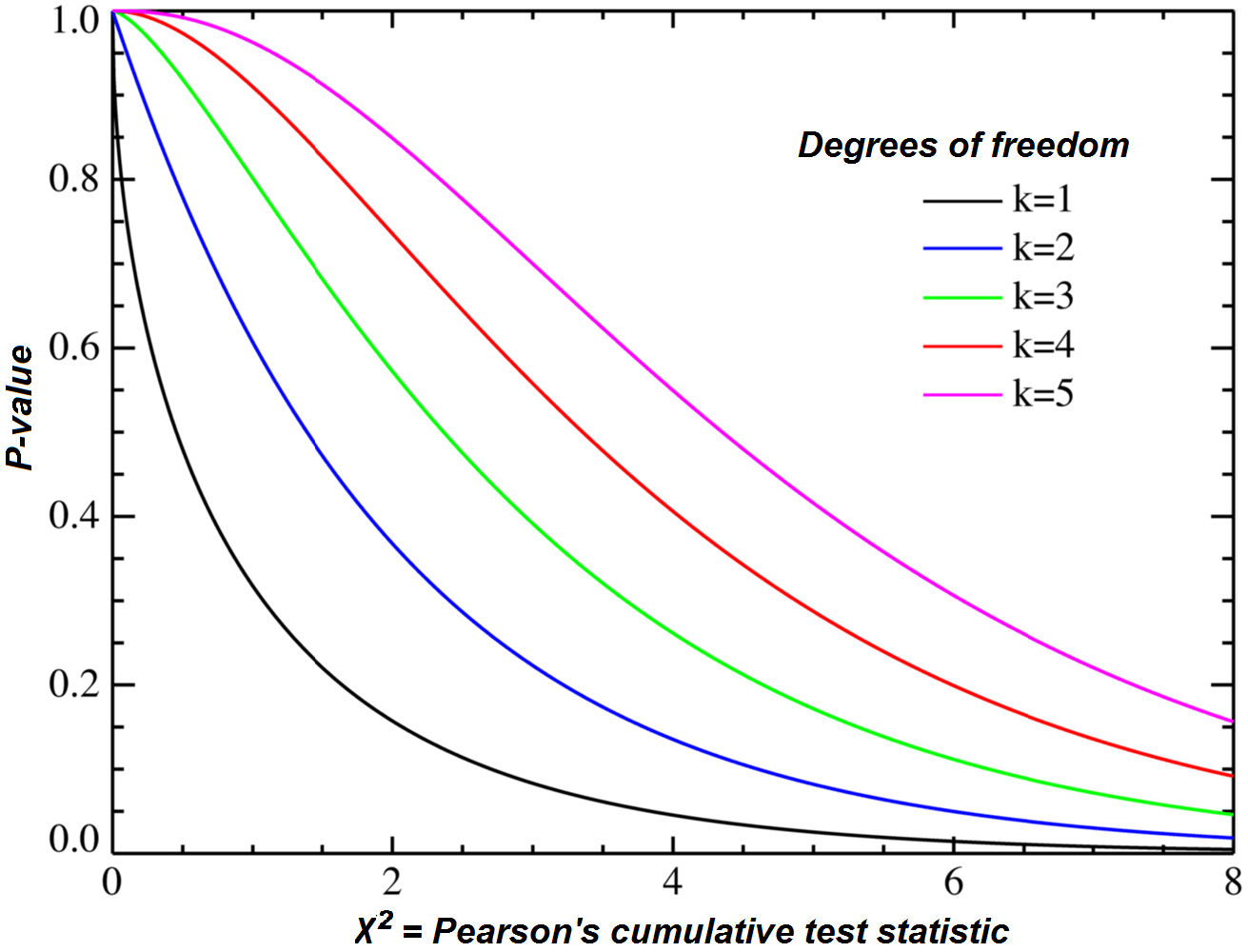
A Chi-Squared test detects 'surprising' differences between what you observe and what you'd expect. It's used to check if two categorical variables, like a landing page variant and a user's sign-up action, are independent or related.
Student's t-test: Is This Difference Real or Just Noise?
A t-test tells you if the difference between two group averages is statistically significant, especially with small samples. It's used in A/B testing to see if a new feature actually improved a metric, or if the change is just noise.
Randomization: The Key to Trustworthy Experiments
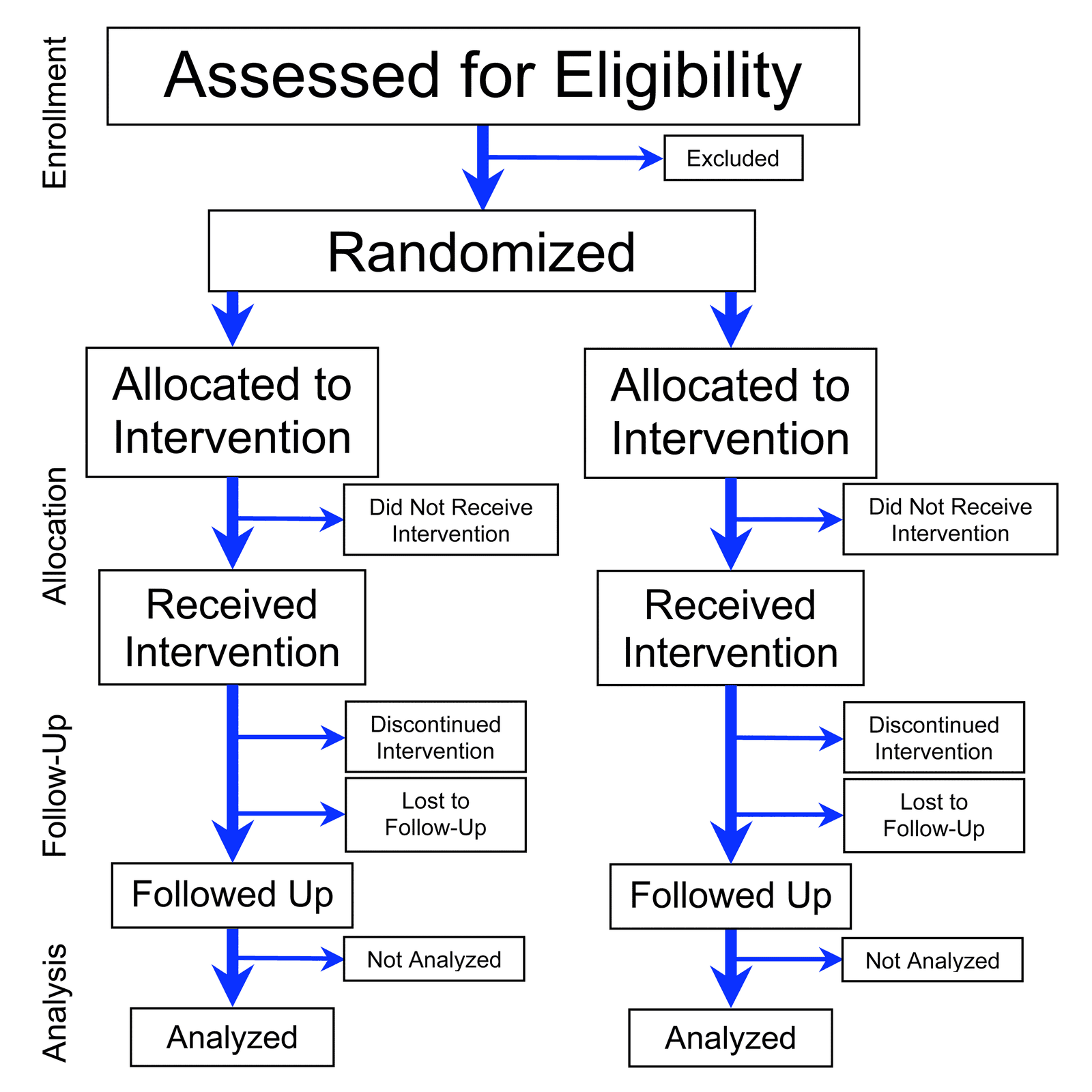
Randomization ensures experimental groups are similar before a test begins, like shuffling cards before dealing. This lets you confidently attribute differences in outcomes to your changes, whether in A/B tests or clinical trials.
Null Hypothesis: Assume No Effect Until Proven Otherwise
The null hypothesis is your default assumption: nothing changed. You run experiments to gather enough evidence to reject this default. In A/B testing, the null is that your new feature has no effect, while the alternative is that it does.
Minimum Detectable Effect: How Small a Change Can You See?
Minimum Detectable Effect (MDE) is the smallest change your A/B test can reliably see. You calculate it *before* a test to determine the sample size needed.

The RICE Scoring Model: Prioritize with Data, Not Feelings
RICE is a formula—(Reach × Impact × Confidence) / Effort—for scoring competing features. It replaces gut feelings with a data-driven framework for prioritizing product roadmaps. The biggest footgun is treating the score as gospel, not a conversation starter.
Five Whys: Find the Root Cause, Not Just the Symptom
Five Whys is a tool for digging past surface-level problems. By repeatedly asking "Why?", you trace a chain of causality back to the true root cause. It's used in post-mortems to find systemic issues, not just patch symptoms. The footgun is stopping too soon.

Hypothesis-Driven Development: Test Your Ideas Before You Build
Hypothesis-Driven Development treats product work as a series of experiments, not a to-do list. You state a testable belief ("If we build X, users will do Y") before writing code. This de-risks new features by validating ideas early.
The Endowment Effect: We Overvalue What We Already Own
We irrationally value things more simply because we own them. This appears in free trials that create a sense of ownership, making users less likely to cancel. The footgun is assuming users judge value objectively; they don't, and will resist switching.

The IKEA Effect: Why We Overvalue What We Build
The IKEA effect is our tendency to overvalue things we help build. It's used in products that let users customize profiles or dashboards, increasing their investment. The footgun: if the task is too hard or fails, users feel incompetent and abandon it.

Variable Rewards: The Engine of Habit
Variable rewards make products sticky by creating unpredictable payoffs, like a slot machine. This drives repeat actions in social feeds or games. The footgun is that overuse can feel manipulative and lead to user burnout or accusations of addictive design.