Advanced interview questions in Product Strategy

How do you assess architecture impact during a corporate pivot?
Tests business-technical alignment under strategic uncertainty. Strong answers map new outcomes to capability gaps, assess debt and migration cost, then co-own replanning with product. Red flag: proposing a full rewrite before understanding limits or ROI.

How would you validate strategic assumptions through shipped software?
Tests whether you embed validation into engineering delivery rather than treating it as pre-work. Strong answers cover assumption mapping, instrumented MVPs, tiered rollouts, kill criteria, and product-engineering feedback loops.

Critique the statement that product strategy should be fixed for two years
It tests adaptive strategy versus rigid roadmaps. A great answer notes short-term architecture stability, then details systemic risks: feature factories, wasted talent, telemetry blindness, and lock-in.

How do you frame monolith vs microservices trade-offs under market uncertainty?
Connecting architecture to business strategy under uncertainty. Strong answers say monoliths offer cheap optionality when markets are unknown, but winner-take-all makes speed existential; microservices are a post-PMF scaling tax.
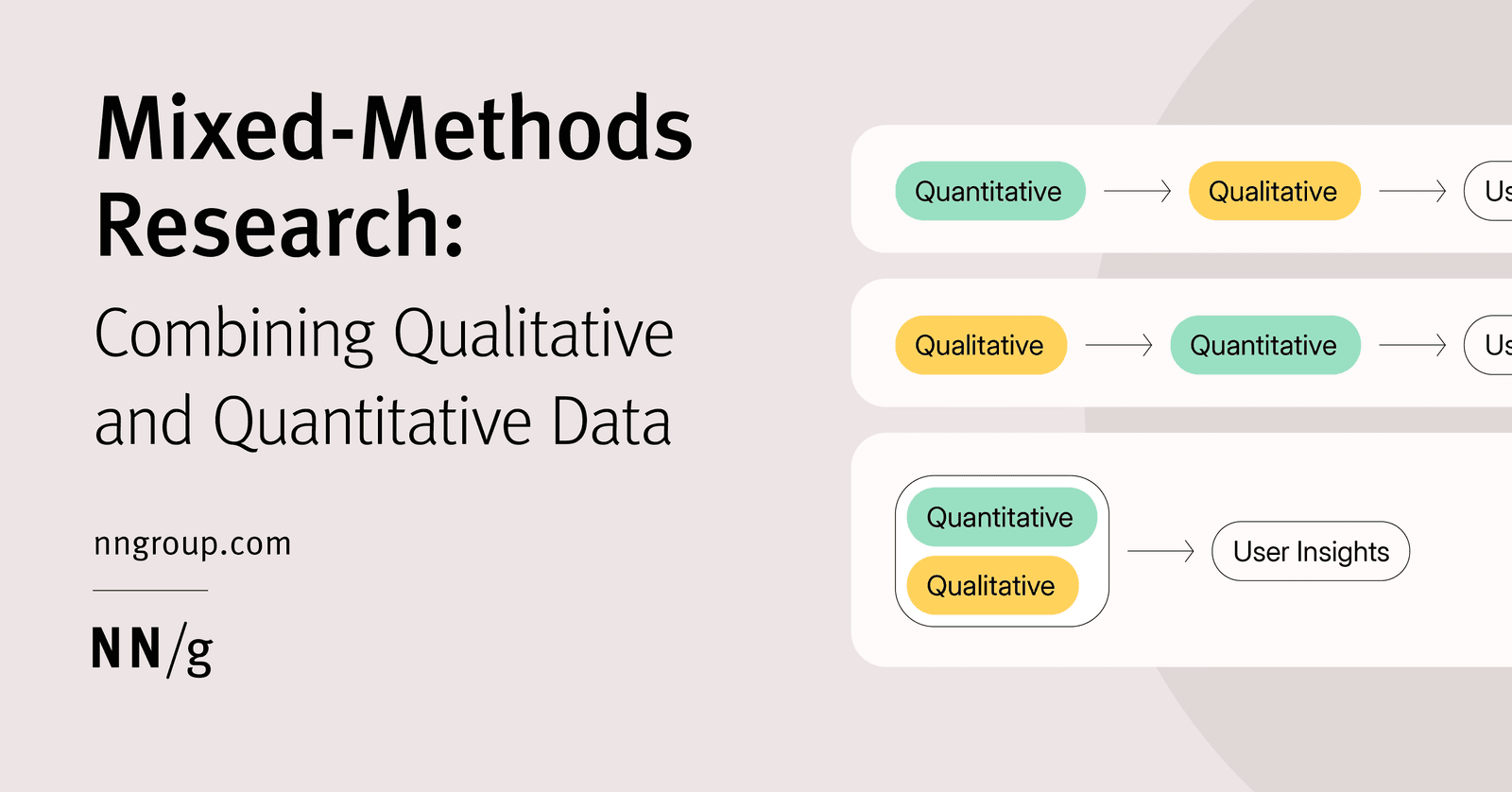
Design a follow-up experiment to resolve conflicting qualitative and quantitative data
This tests mixed-methods integration. Strong answers sequence experiments: observe users in the low-engagement flow for friction, then run a higher-fidelity quantitative test with behavioral metrics tied to stated intent.

How would you architect a system for rapid experimentation and validation?
Tests designing decoupled experimentation infrastructure that scales past 1M users. Strong answers split assignment, flags, metrics, and analysis into independent event-driven services with change data capture isolating production.
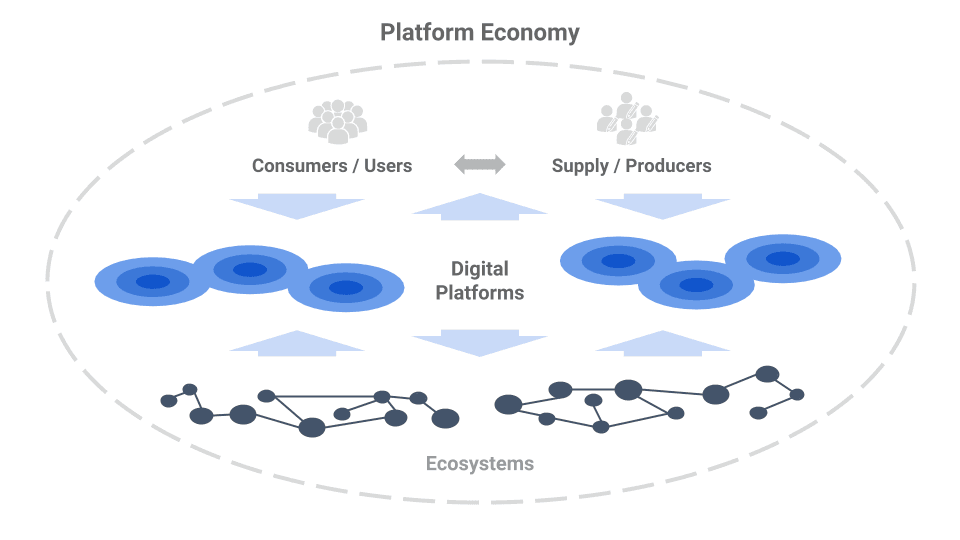
Propose a platform strategy to beat competitor feature velocity
Tests trading feature parity for architectural leverage. Strong answers frame the platform as an intermediary enabling interactions and innovation via self-service APIs, composable primitives, and data loops. Red flag: a shared library creating bottlenecks.

How would you design architecture to sidestep a competitor's proprietary dataset?
Tests architecture without data moats. Strong answers pick asymmetric plays like real-time loops, federated learning, or synthetic pipelines and link them to defensible design. Red flag: buying or copying the dataset.

Architect a fast-follower AI strategy without a research team
Tests asymmetric advantage without a research lab. Strong answers propose a model-agnostic gateway, buy commoditized inference, build proprietary data loops only, and use open-source for control.

How would you prove roadmap divergence from vision and correct course?
Quantify coupling, complexity, and service creep; link compromises to feature delays; propose a funded ATD roadmap with milestones.

When is it appropriate for engineering to propose a vision change?
Tests your sense of engineering's strategic boundary: co-creating vision without owning it. Strong answers cite a trigger where tech changes business constraints, outline a 2-week spike on the riskiest assumption, and quantify impact.
Find a novel value proposition from a recent technology breakthrough
Tests translating a technical breakthrough into product strategy: name an underserved market, quantify economic value, map a minimal build. Pick one tech, define pricing power, list 3-4 parts. Red flag: solution seeking a problem or feature lists sans value.
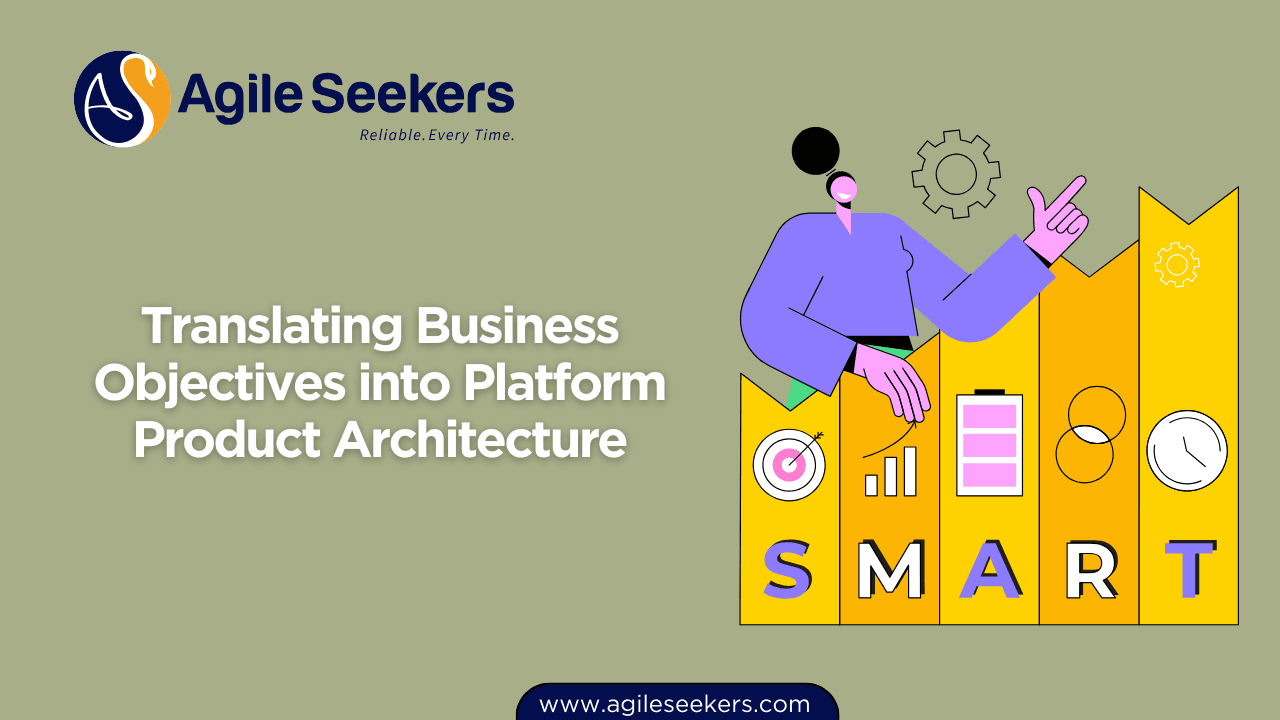
Top three technical risks when becoming a platform and API mitigations
Tests platform architecture and API governance maturity. A strong answer cites backward compatibility, multi-tenant security, and domain leakage; it proposes versioning, OAuth with rate limits, and facade APIs.

Design real-time usage-based billing data architecture
Tests whether you can guarantee exactly-once billing at scale without data loss. Strong answers cover idempotent Kafka ingestion, ClickHouse aggregation, reconciliation, and audit trails. Red flag: claiming exactly-once instead of at-least-once dedup.

Architect dynamic region-specific pricing for a global SaaS product
One SKU with currency-specific rate charges; jurisdiction tax engine; immutable checkout snapshot; amendment for moves.
Design quantifiable proxy metrics for a microservices velocity claim
Use DORA velocity and stability metrics plus leading indicators like build and PR cycle time.

How would you structure a technical strategy parallel to the product roadmap?
Anchor on product vision; use RICE for work vs features; ship incremental milestones; validate with product.

What process do you initiate when a competitor disrupts your core value?
This tests strategic technical judgment under market pressure. A strong answer covers rapid threat assessment, feasibility spikes, and option analysis weighing speed versus debt, then proposes a staged plan.

How would you track technical health against the strategic roadmap?
Bridging engineering health signals to roadmap decisions. Combine DORA metrics, performance budgets, and architectural fitness into a scorecard with thresholds that force roadmap negotiation when health declines. Wrong: no feedback loop into roadmap.
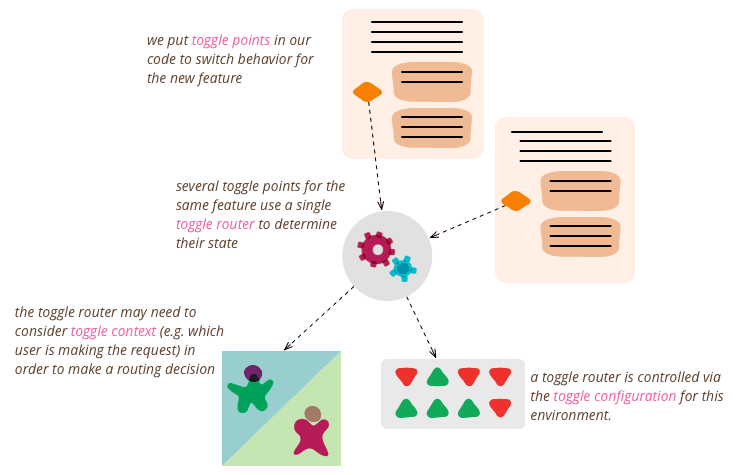
Describe an architecture that decouples business launch from code deployment
This tests feature-flag architecture separating deployment from release. Strong answers cover toggle categories and decision decoupling. They need lifecycle management to limit carrying cost. Red flag: treating flags as permanent or ignoring toggle debt.
We are hiring for this. Every open role lists the topics its interview covers, so you can prepare for the real thing rather than guessing.
See open roles