Intermediate everything in UX Research, page 7
Right to Withdraw: Leave Anytime, No Reason
The right to withdraw is an emergency exit for research participants: leave anytime, reason optional. In usability studies and clinical trials, this protects autonomy. The footgun: pressuring hesitant users to finish destroys trust and poisons your data.

Informed Consent Is Comprehension, Not Paperwork
Informed consent means understanding risks and alternatives before agreeing. It applies whenever researchers collect sensitive data or expose people to risk. The footgun is treating a signature as proof of understanding; comprehension beats paperwork.

UX Maturity: Six Stages of Organizational UX
UX maturity maps how deeply user-centered design lives in an organization, from ignored to user-driven. It matters when scaling research or justifying headcount.
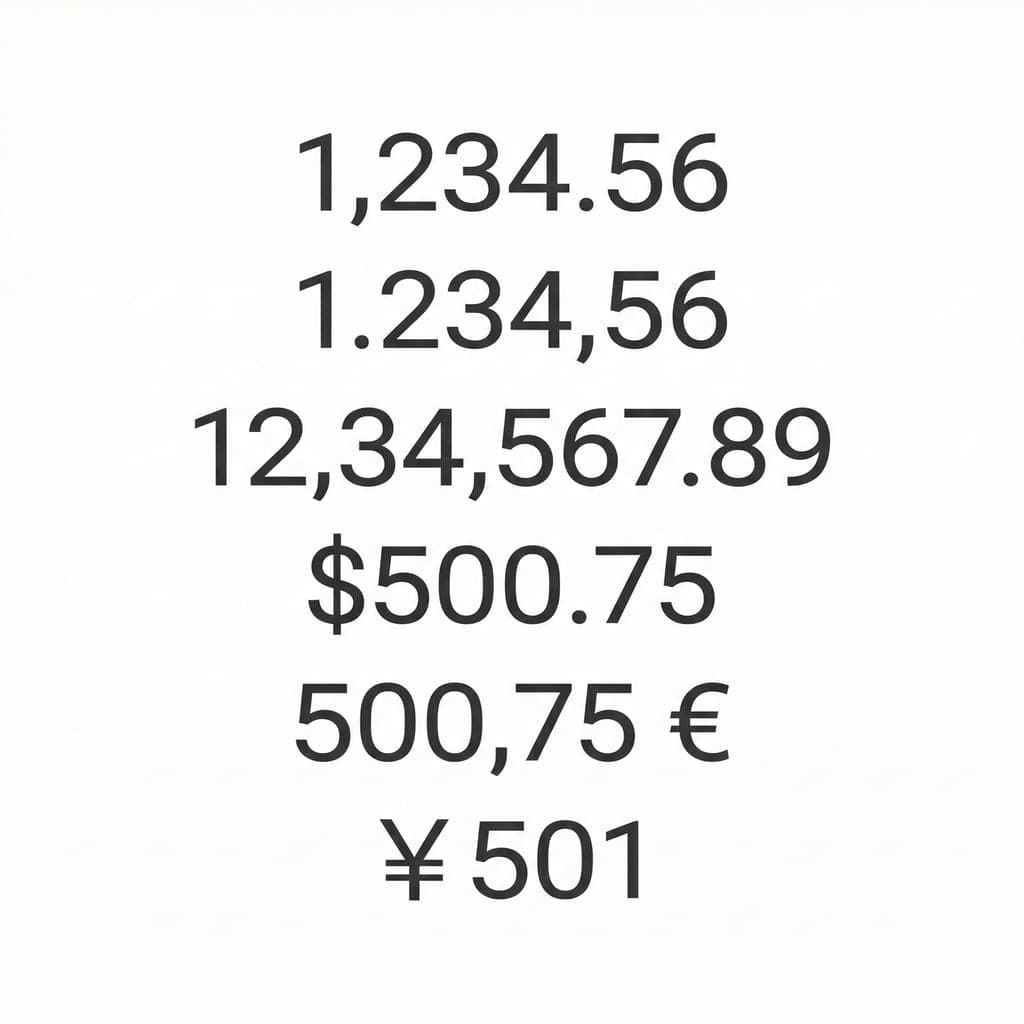
i18n Testing: Check Scripts, Not Just Strings
i18n testing checks your product works across languages, scripts, and cultures before shipping. It catches rendering and layout failures in Arabic, Hebrew, Chinese, Japanese, or Korean contexts.

International UX Research: The Adaptation Spectrum
Researching cultural differences reveals whether to translate text or fully localize an interface. Global products flop when teams ship domestic designs abroad. The footgun is skipping local user testing to validate what actually needs to change.
Inclusive Design
Inclusive design reframes disability as a mismatch between user needs and design. Use it where ability, language, culture, gender, or age create barriers. Never treat it as a disability checklist; it is a methodology for diverse needs.
Discovery Sprint: Diagnose Before You Spend
A discovery sprint is an organizational x-ray: a small team spends 2-4 weeks interviewing stakeholders to find the real problem before money is spent. Use one before building, when a system breaks, or after leadership changes. It finds causes, not solutions.

Assumption Mapping: De-Risk Before You Build
Assumption mapping treats product ideas as bundles of unproven bets. Teams sort beliefs into desirability, feasibility, and viability to find the riskiest ones. It prevents shipping features nobody wants. The footgun is treating the map as the finish line.

UX Highlight Reels: Show, Don't Tell
A highlight reel is a shortcut to empathy: short clips that make stakeholders feel the problem. Use them to win executive buy-in when charts fail to stick. The footgun is curating only positive clips; without struggle it reads as marketing, not research.

HMW Questions: From Research Insights to Design Ideas
HMW questions turn research insights into open design challenges that keep ideation focused on real user problems. Teams use them after discovery to prevent pet solutions.
T-test: Are Two Groups Actually Different?
A t-test asks whether the gap between two groups is a real signal or just sampling noise. UX researchers use it to compare task times or conversion rates between designs. The footgun is trusting results from tiny samples where the math gives false confidence.
Inferential Statistics: From Sample to Population
Inferential statistics turns a small user sample into a claim about millions: you test hypotheses and estimate population properties without measuring everyone. The footgun is forgetting your data is just a sample and declaring truth about all users.
Narrative Analysis: How People Build Meaning
Narrative analysis treats life as an edited story; it reads journals and interviews for the meaning a person constructs, not raw facts. Use it when you need to understand why a belief formed. Never lift a quote from its story; context is the entire signal.
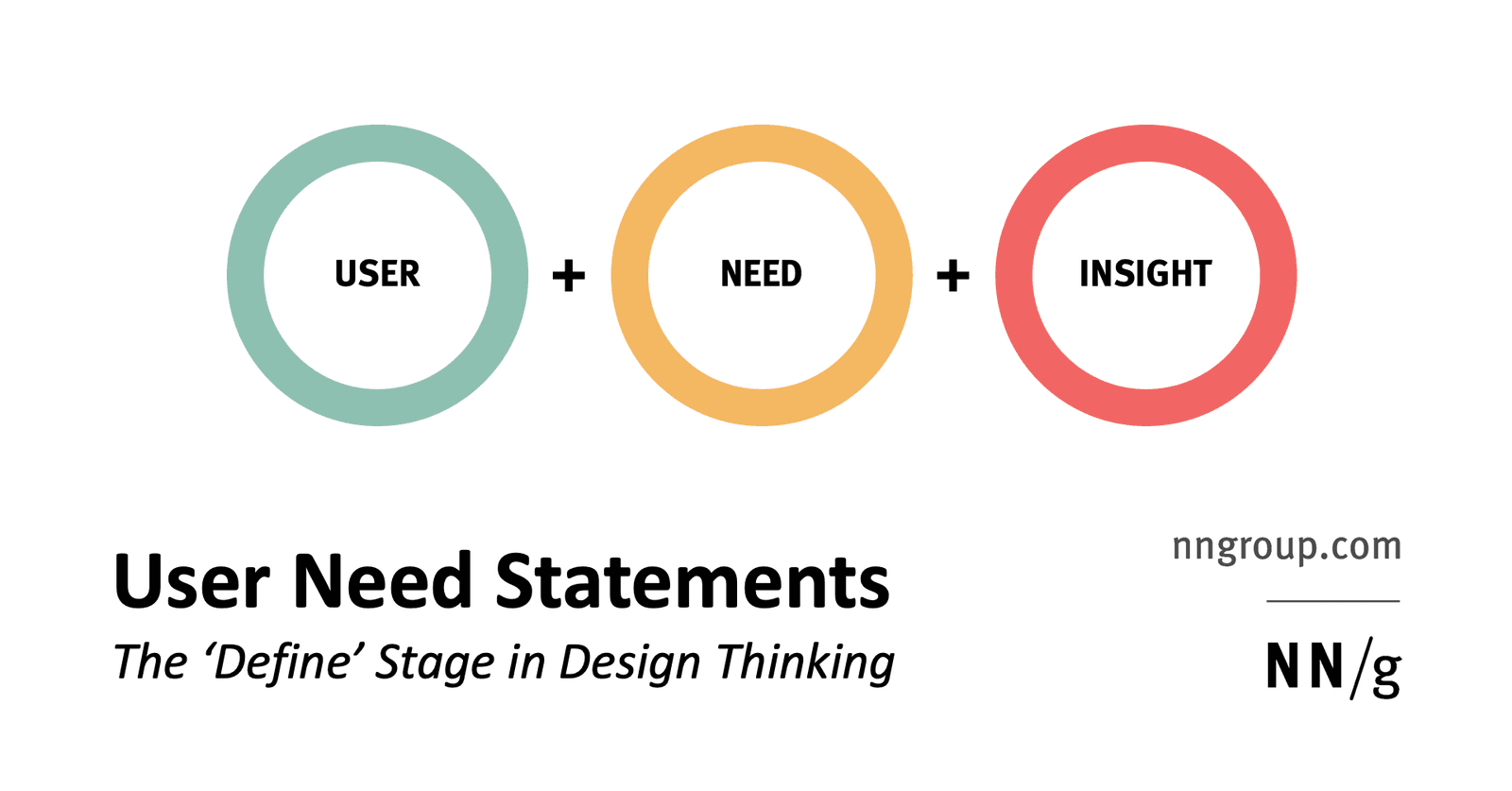
Insight Statements: Frame Problems, Not Solutions
Insight statements frame what users must achieve, not how. Teams use them in design thinking's define stage to align on the right problem before ideating. The footgun is writing solutions like 'needs a dashboard' instead of goals like 'needs to compare'.
Content Analysis: Study Texts Without Interference
Content analysis extracts patterns from existing artifacts without disturbing subjects. Social scientists apply it systematically to speeches, photographs, and essays. The common footgun is treating it as writing-only and ignoring visual or spoken media.

Screening UX Research Candidates
Screening surveys separate real users from professional testers and biased insiders before they skew your research. Without manual vetting of screener answers, convenience samples and speedrunners still pollute your design decisions.
Clickstream Analysis: Following the User's Footsteps
Clickstream analysis is like watching a replay of a user's journey through your site, click by click. It's used to optimize conversion funnels and find friction points. The footgun is focusing on the *what* (the path) without asking *why* a user took it.

Survey Response Bias: When Answers Mislead
Survey answers aren't raw data; they're filtered through human psychology. Response bias describes the predictable ways people answer inaccurately, common in user surveys and market research. The footgun is taking responses at face value, ignoring biases.

Customer Effort Score (CES): Measure Task Friction
Customer Effort Score (CES) measures how much work a customer expends to complete a task. It answers 'How easy was it?' right after a support interaction, purchase, or onboarding.
P-Value: Gauging Surprise, Not Certainty
A p-value measures surprise: it's the probability of seeing your results by chance, assuming your change had no effect. It's used in A/B testing to decide if an effect is noise or significant. A small p-value doesn't prove your hypothesis is true.
We are hiring for this. Every open role lists the topics its interview covers, so you can prepare for the real thing rather than guessing.
See open roles