More in AI & ML — page 55
SIFT: Finding Image Features That Scale
SIFT finds key points in an image that are stable across changes in scale. It's used for object recognition or stitching panoramas by matching these features between images. The main footgun is assuming it's invariant to all changes, not just scale.
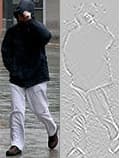
Histogram of Oriented Gradients (HOG)
HOG describes an object's shape by summarizing the directions of local intensity changes (gradients). It's a classic computer vision method for tasks like pedestrian detection where form matters more than color.
FAST: High-Speed Corner Detection for Real-Time Vision
FAST finds corners by checking if a pixel is significantly brighter or darker than a ring of its neighbors. This simple, high-speed test makes it perfect for real-time video processing.
Difference of Gaussians: Finding Edges by Subtracting Blurs
Difference of Gaussians (DoG) finds features by subtracting a heavily blurred image from a lightly blurred one, isolating details at a specific scale. It's used for fast blob and edge detection.
Scale-Space: Analyzing Images at Multiple Scales
Scale-space representation is like viewing an image from far away and up close simultaneously. It creates a stack of progressively blurred images to reveal structures at different sizes, which is key for robust feature detection.
Hough Transform: Finding Shapes by Voting
The Hough Transform finds shapes by letting pixels "vote" for all lines or circles they could belong to. It's used to detect features like road lanes in noisy images.
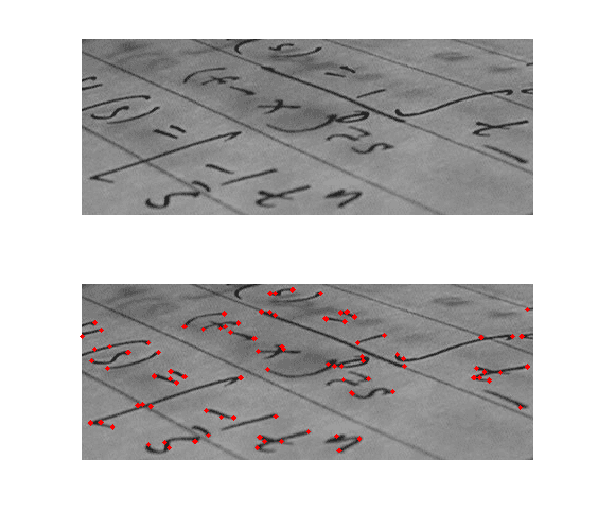
Corner Detection: Finding Stable Points in Images
Corner detection finds stable reference points in an image by looking for areas where pixel intensity changes sharply in multiple directions. It's used to track objects in video, stitch panoramas, and recognize objects by their features.
Harris Corner Detector: Finding Sharp Changes in Images
The Harris detector finds corners by looking for points where image intensity changes sharply in all directions. It's used in image stitching and object tracking to find stable feature points. A key weakness is its sensitivity to image scale.
Laplacian of Gaussian (LoG) for Blob Detection
LoG finds blobs by blurring an image then finding points of maximum curvature, like finding the top of a hill by looking where the slope changes fastest. It's used in medical imaging and astronomy. The footgun: the blur size dictates the blob size you can.
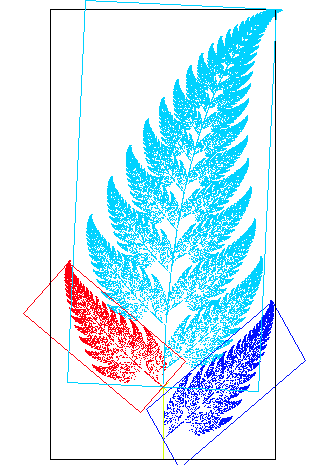
Affine Transformations: Move, Scale, and Rotate Without Bending
An affine transformation is a way to move, scale, rotate, or shear an object while keeping all lines straight and parallel lines parallel. It's used everywhere in computer graphics.
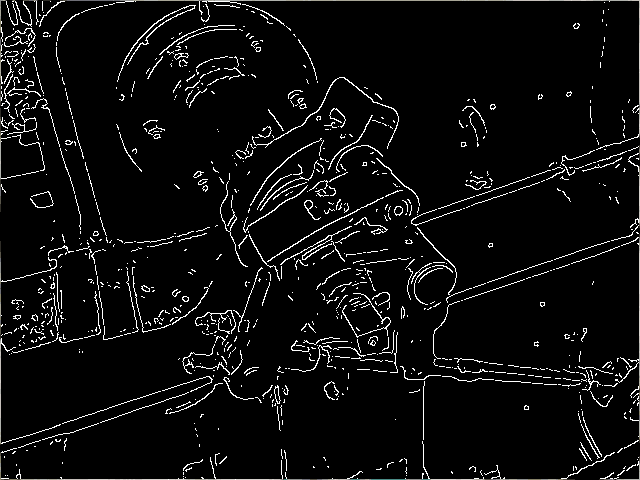
Canny Edge Detector: Finding True Edges
The Canny detector finds true edges by identifying sharp, connected intensity changes. It's used in object detection and feature extraction where clean edge maps are vital.
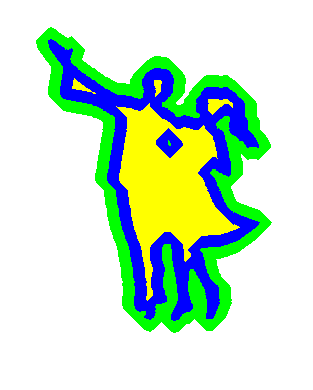
Morphological Transformations: Shaping Images with Kernels
Think of it as sanding or stamping an image with a small shape (kernel) to modify object boundaries. It's used for noise removal or separating touching objects. The footgun: transformations alter object size, so you often need a second operation to compensate.
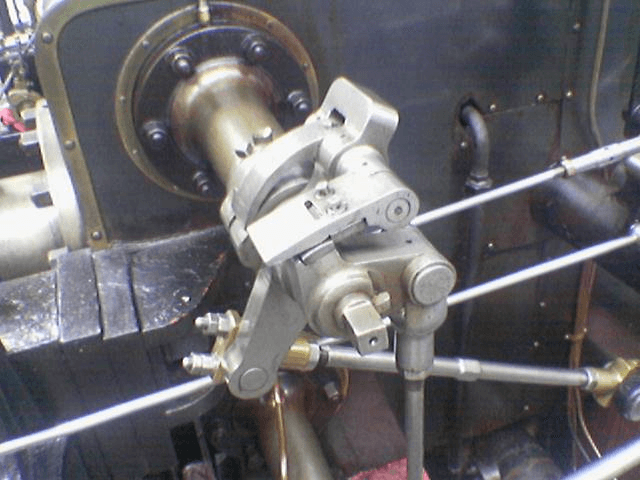
The Sobel Operator: Fast, Cheap Edge Detection
The Sobel operator finds image edges by measuring how fast pixel brightness changes horizontally and vertically. It's a fast, cheap first pass for edge detection in computer vision. The footgun is treating it as precise; it's a crude approximation.
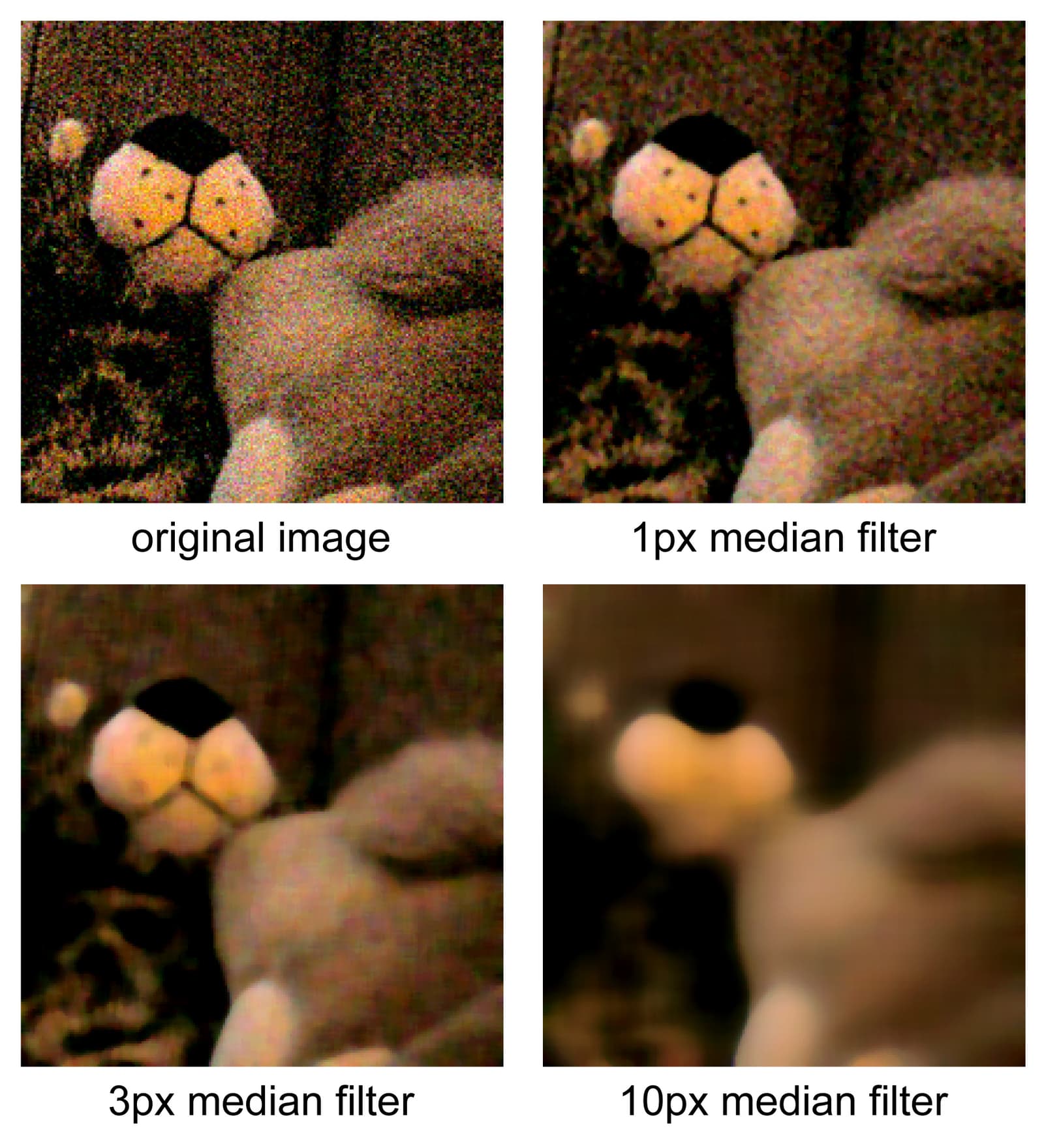
Median Filter: Smoothing Images Without Blurring Edges
A median filter cleans image noise by replacing each pixel with the median value of its neighbors, ignoring outliers. It's used to remove "salt-and-pepper" noise before object detection.

Gaussian Blur: Smoothing Images with Weighted Averages
Gaussian blur smooths an image by replacing each pixel with a weighted average of its neighbors, where closer pixels matter more. It's used to reduce noise before edge detection or for UI effects. The footgun is over-blurring, which erases important features.
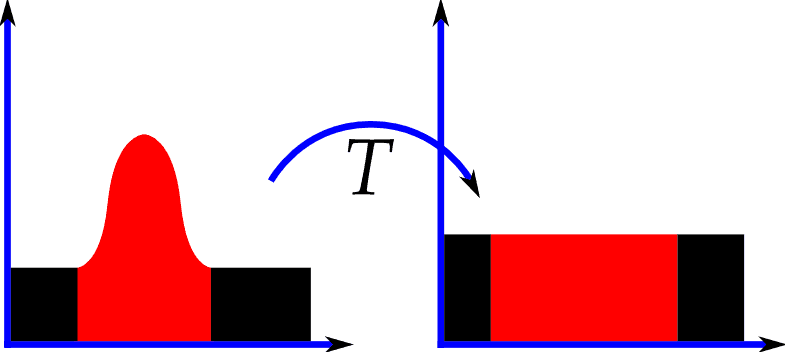
Histogram Equalization: Spreading Out Pixel Brightness
Think of histogram equalization as automatically stretching an image's contrast. It takes dark or washed-out images and spreads their pixel brightness values across the full available range, revealing hidden details. The footgun: it can amplify noise.

Image Scaling: Resizing Pixels Without Ruining Them
Image scaling isn't just stretching a picture; it's inventing or discarding pixel data. It's used everywhere from displaying thumbnails to making 1080p video fit a 4K screen.
Grayscale Conversion: Seeing in Shades of Gray
Grayscale conversion simplifies an image by removing color, representing each pixel's brightness as a single value. It's a key preprocessing step in computer vision for tasks like OCR, where shape matters more than color.

Bayer Filter: Faking Full Color with a Filter Grid
A Bayer filter is a hack for capturing color with one sensor: a checkerboard of red, green, and blue filters is placed over the sensor grid. This is how most digital cameras work. The footgun is that the raw output must be 'demosaiced' to create.

BRDF: Modeling How Surfaces Reflect Light
A BRDF is a function that describes a surface's appearance by defining how it reflects light from any incoming direction to any viewing direction. It's used in rendering engines to create materials like brushed metal or velvet.