Concepts in Design & UX, page 20

Informed Consent Is Comprehension, Not Paperwork
Informed consent means understanding risks and alternatives before agreeing. It applies whenever researchers collect sensitive data or expose people to risk. The footgun is treating a signature as proof of understanding; comprehension beats paperwork.
Visual Balance: Arranging UI Elements for Stability
Think of visual balance like a seesaw for your UI. Elements have "visual weight" from their size and color, and a balanced design distributes this weight so the layout feels stable.

Jetpack Compose Theming for Design Systems
Compose theming uses CompositionLocal to implicitly pass design tokens like colors and fonts down the UI tree. This is key for building a design system where you can swap themes (like light/dark) without rewriting components.

Podcast Show Notes: Your Episode's Clickable Companion
Podcast show notes are the clickable, searchable companion to your audio, turning passive listening into action. They house affiliate links, guest bios, and resources, boosting SEO and monetization.
Right to Withdraw: Leave Anytime, No Reason
The right to withdraw is an emergency exit for research participants: leave anytime, reason optional. In usability studies and clinical trials, this protects autonomy. The footgun: pressuring hesitant users to finish destroys trust and poisons your data.
The Figma Interface: Your Digital Design Workshop
Figma's interface is a digital workshop: a central canvas for your work, a left sidebar for layers and assets, and a right sidebar for properties. It's the hub for UI/UX design, prototyping, and developer handoff.

SwiftUI Theming with the Environment
Treat SwiftUI's Environment as a cascading style sheet for your app. You define design tokens like colors and fonts once at the top, and all child views automatically inherit them. This is key for building design systems or multi-brand apps.

Table Read: Hear Your Words Before You Ship Them
A table read is a dress rehearsal for your words. You gather stakeholders and read text aloud to catch awkward phrasing and unclear flow before it goes live. Use it for high-stakes content like API docs. The footgun is reading it yourself—you need fresh ears.
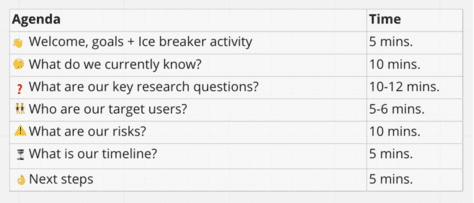
UX Research Kickoff: Align Before You Start
A UX research kickoff is a stakeholder sync before user interviews begin. It locks scope, resolves conflicting priorities, and aligns everyone on core questions. Skip it and you will research the wrong problem while stakeholders disagree on success.
Adaptive UI for Foldables: Thinking in Postures
An adaptive UI for foldables thinks in "postures," not just screen sizes, reacting to states like folded or tabletop mode. This is key for apps on devices like the Pixel Fold. The footgun is treating a foldable like a big tablet, ignoring its unique physical.

Writing Sound Cues: When to Yell 'BANG!' on the Page
Don't just describe a sound; make it heard. In screenplays, write plot-critical sounds as capitalized onomatopoeia in the action lines, like a gunshot (BANG!). The footgun is capitalizing ambient noise or using it to direct an actor's vocal delivery.

Incidence Rate: The Recruitment Cost Multiplier
Incidence rate is the fraction of people who pass your screener. In UX research, a 5% rate means screening twenty people to interview one. Teams often forget to pre-filter panels by demographics they already know, burning budget on obvious rejections.
Figma Vector Networks: Graphs, Not Just Chains
Vector networks are graphs, not just chains. Unlike traditional paths where a point connects only two lines, a vector network allows multiple lines to meet at a single vertex. This is Figma's engine for complex shapes.
Spatial UI Design Systems
Spatial UI design systems define how interfaces behave in 3D space on devices like Vision Pro: depth-based hierarchy, distance-aware scale, and gaze-and-pinch interaction, replacing the flat, pointer-driven rules of traditional 2D design systems.
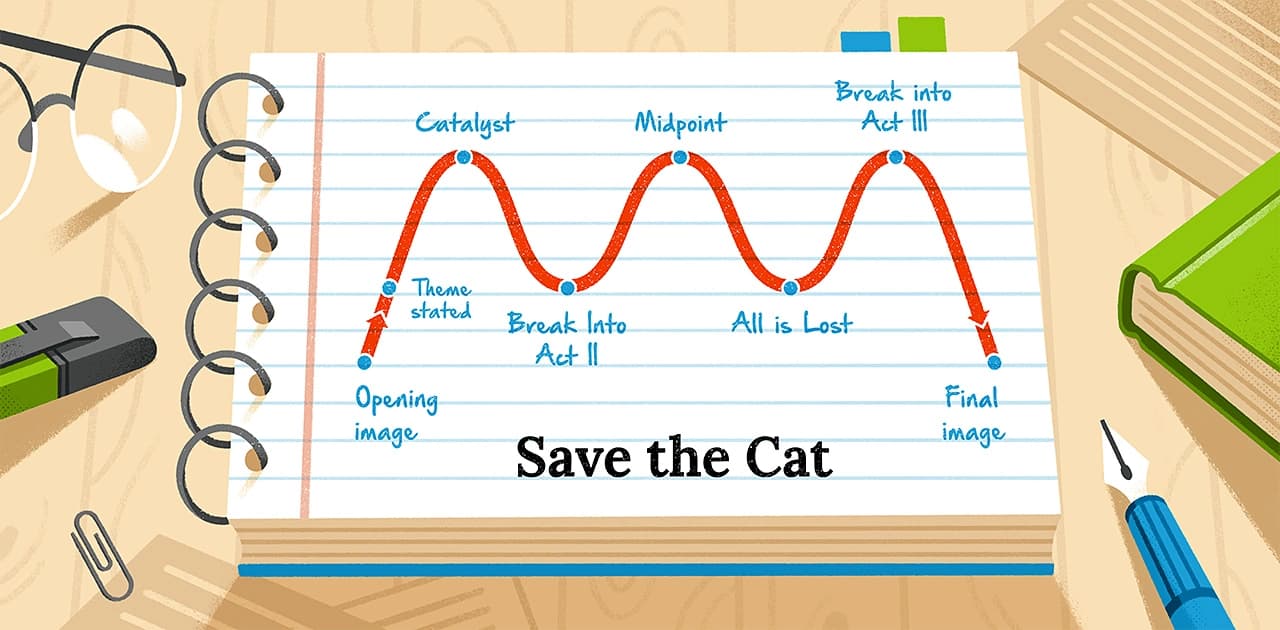
The Beat Sheet: A Story's Structural Blueprint
A beat sheet is a checklist of key emotional moments that structure a story. The popular "Save the Cat" method provides a template for outlining plots, ensuring proper pacing. The main footgun is following it too rigidly, creating a predictable story.
Boolean Operations: Non-Destructive Shape Math
Boolean operations are non-destructive shape math, combining layers into complex forms while keeping the original pieces editable. Use them for icons and illustrations. The footgun: intersecting non-overlapping shapes makes them disappear until they touch.

Design System Governance: A Process for Evolution
Design system governance is a process for when components don't meet a team's needs. It guides teams on whether to create a one-off "snowflake" or contribute a new component back to the system. The footgun is letting teams "find a way," leading to chaos.
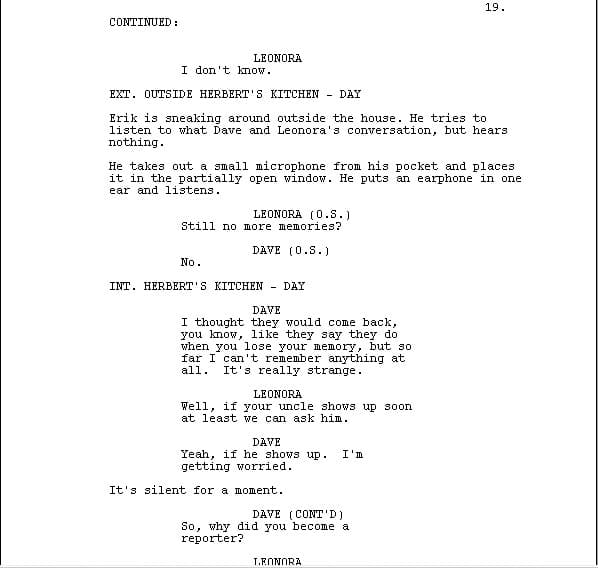
Character Voice: Making Characters Sound Distinct
Character voice is a verbal fingerprint—not just what characters say, but their unique way of saying it based on who they are. It's crucial in scriptwriting for believable dialogue that reveals personality.

Third-Party UX Recruiters: Methodological Bouncers, Not Body Shops
Third-party UX recruiters are quality filters, not just people finders. They validate participants fit your methodology, not demographic checkboxes. Use them when one wrong user corrupts a usability study.
Figma Prototypes: Build Interactive Flows, Not Just Screens
Figma prototypes turn static designs into interactive user journeys by connecting frames. Use them to test user flows, present to stakeholders, or get feedback before writing code. The footgun: a single top-level frame can only be one flow's starting point.
We are hiring for this. Every open role lists the topics its interview covers, so you can prepare for the real thing rather than guessing.
See open roles