Easy concepts in Product Management
Product Strategy: The 'Why' Behind Your Product
Product strategy is the 'why' behind your product, connecting its vision to business goals. It's the compass that guides development, not the feature-by-feature map. The common footgun is confusing strategy (the why) with the roadmap (the what and when).

Key Performance Indicators (KPIs)
A KPI isn't just any metric; it's a measurable value showing how effectively you're achieving a key business objective. It's used to track things like website uptime or customer acquisition cost.
The Agile Manifesto: A Shift in Software Values
The Agile Manifesto is a value system, not a rigid process. It prioritizes people, working software, customer collaboration, and adapting to change over rigid plans and documentation. This philosophy underpins frameworks like Scrum.
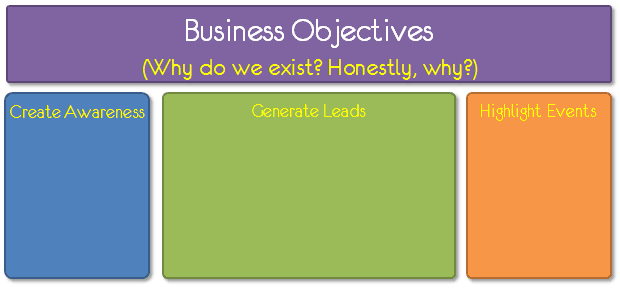
Analytics Measurement Plan: From Why to What
An analytics measurement plan forces you to define success before you look at data. It connects high-level business objectives to specific user actions and sets clear targets.
Waterfall Model: Build Software Like a Building
The Waterfall model treats software development like building a house: each phase is fully completed before the next begins. It suits projects with fixed requirements, but its major footgun is that late-stage changes can force a costly restart from the…

Strategy vs. Tactics: The Map vs. The Directions
Strategy is your destination and why you're going; tactics are the turn-by-turn directions. A product strategy defines the long-term goal, like 'capture the enterprise market,' while tactics are the specific feature launches to get there.
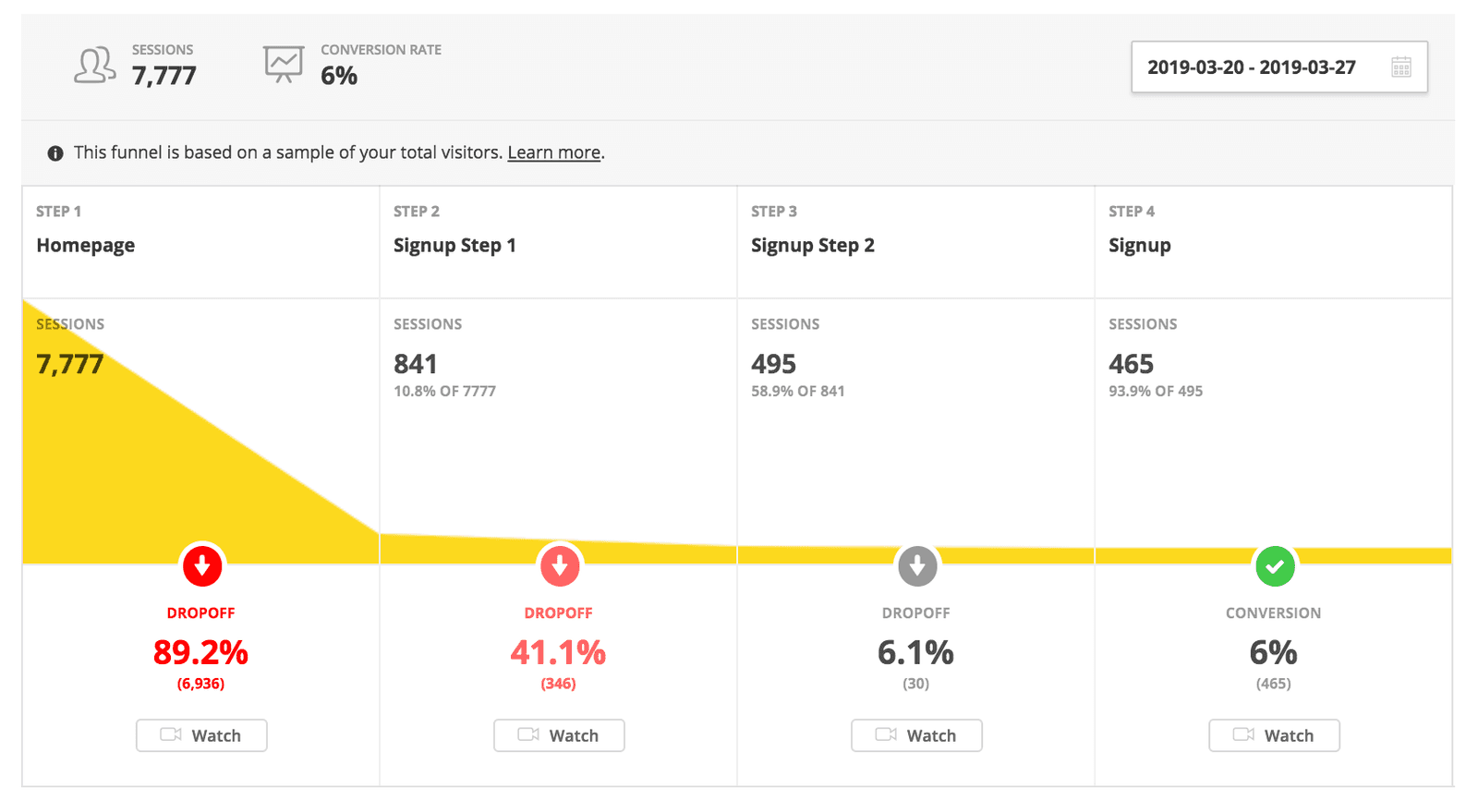
Funnel Analysis: Pinpointing Where Users Drop Off
Funnel analysis treats a user journey like a real-world funnel, showing exactly where people 'leak' out before reaching a goal. It's key for optimizing e-commerce checkouts or app sign-ups. The footgun is only looking at the final conversion rate.
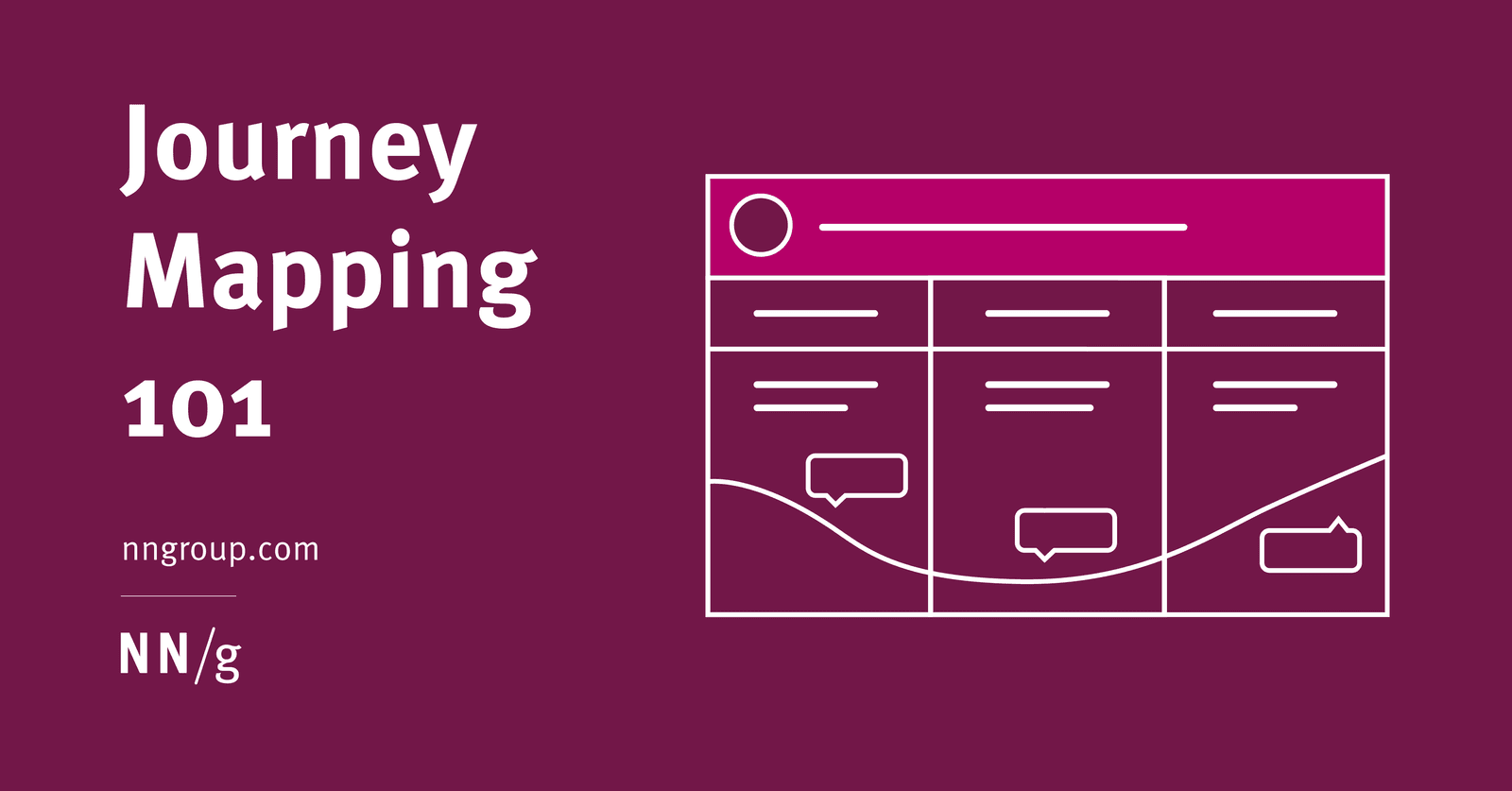
User Journey Mapping: Seeing Your Product Through a User's Eyes
A user journey map tells the story of a user achieving a goal, visualizing their actions, thoughts, and feelings from start to finish. It's essential for understanding complex, multi-channel processes.
Leading vs. Lagging Indicators: Looking Forward vs. Backward
Leading indicators predict the future; lagging indicators confirm the past. This distinction is key for analyzing business cycles or system health. The main footgun is relying only on lagging data, forcing you to react to problems that have already occurred.
The Customer Lifecycle: From Prospect to Advocate
The customer lifecycle maps the journey from first contact to loyal advocate. It's used to decide when to send a welcome email (acquisition), a loyalty discount (retention), or a 'we miss you' offer (win-back). The footgun is focusing only on acquisition.
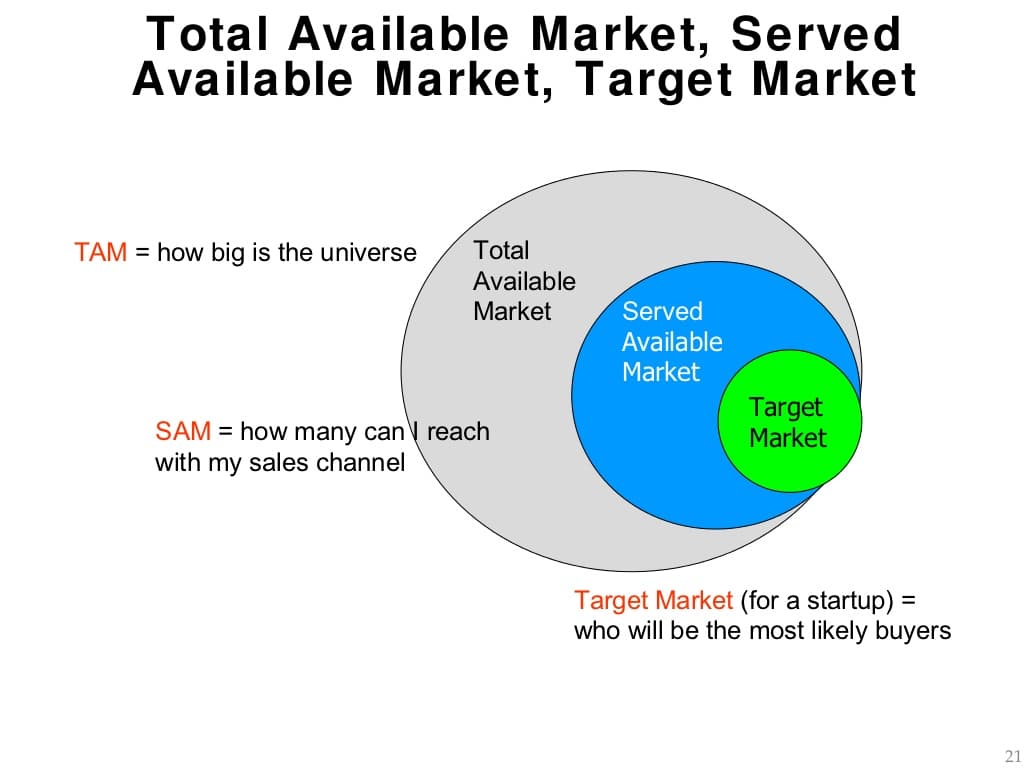
TAM, SAM, SOM: Sizing Your Market Opportunity
TAM, SAM, and SOM are nested filters for market size. TAM is the total demand, SAM is the segment you can serve, and SOM is what you can realistically capture. It's how you go from 'everyone' to 'our first 1,000 users'.

Event Tracking: Measuring What Users Do
Event tracking turns user actions like clicks and purchases into analyzable data. Analytics platforms use this data to report on engagement and conversions. The biggest footgun is inconsistent naming, which pollutes your data and breaks reports.
PESTLE Analysis: Mapping Your Business's External World
PESTLE analysis is a strategic checklist for scanning the external world for threats and opportunities you can't control but must react to. It's used for market entry strategy and product development.

Event-based Analytics: Tracking User Actions, Not Page Views
Event-based analytics tracks specific user actions—clicks, purchases, signups—not just page views. This model powers product analytics tools to map user journeys and measure feature adoption. The footgun is tracking everything, creating noisy, unusable data.
UTM Parameters: Know Exactly Where Your Traffic Comes From
UTM parameters are like labels on your website visitors, telling you which marketing campaign brought them. They're added to URLs in ads or emails to measure channel effectiveness. The footgun is inconsistent naming, which splits data and ruins analysis.
The Sprint: A Timeboxed Rhythm for Work
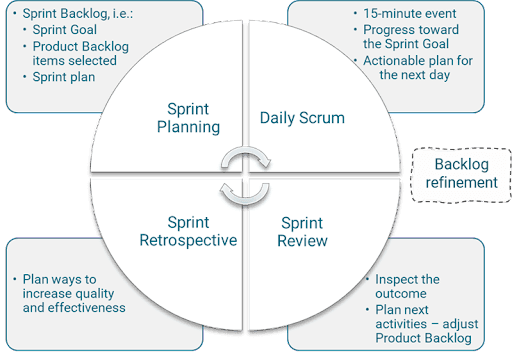
A sprint is a fixed-length container, typically 1-4 weeks, where a team turns ideas into a valuable product increment. Sprints give a predictable rhythm to software teams and marketing campaigns. The footgun is treating a sprint as a mini-waterfall project.

User Personas: Build for a 'Who', Not a 'What'
Personas are fictional character sheets for your ideal users, grounding product decisions in human needs, not just features. They guide choices from UI to marketing by asking "What would our user do?".
Tag Management Systems: Control Your Analytics Snippets
A Tag Management System (TMS) is a single container for all the analytics and marketing scripts you'd otherwise hardcode. Instead of asking engineers to add new scripts, you add them via a web UI.
Analytics Consent Management: Respecting User Choices
Consent management is the system that asks users for tracking permission and technically enforces their choice. It's legally required for sites using Google Analytics or Ads.
The Daily Scrum: A 15-Minute Team Sync
The Daily Scrum isn't just a status update; it's a 15-minute planning session for the next 24 hours. Team members sync on progress, identify blockers, and adjust their plan for the day. The footgun is treating it as a report to a manager.
We are hiring for this. Every open role lists the topics its interview covers, so you can prepare for the real thing rather than guessing.
See open roles