Easy concepts in Product Management, page 5
Retrospective Prime Directive: Assume Positive Intent
Assume everyone acted with the best intentions given their context. The Retrospective Prime Directive creates psychological safety for a blameless discussion, focusing on systemic issues, not individual fault.
Subscription Business Model: Renting Access, Not Selling Products
A subscription model rents access to a product instead of selling it, creating predictable, recurring revenue. It's common for digital goods like streaming services or SaaS.
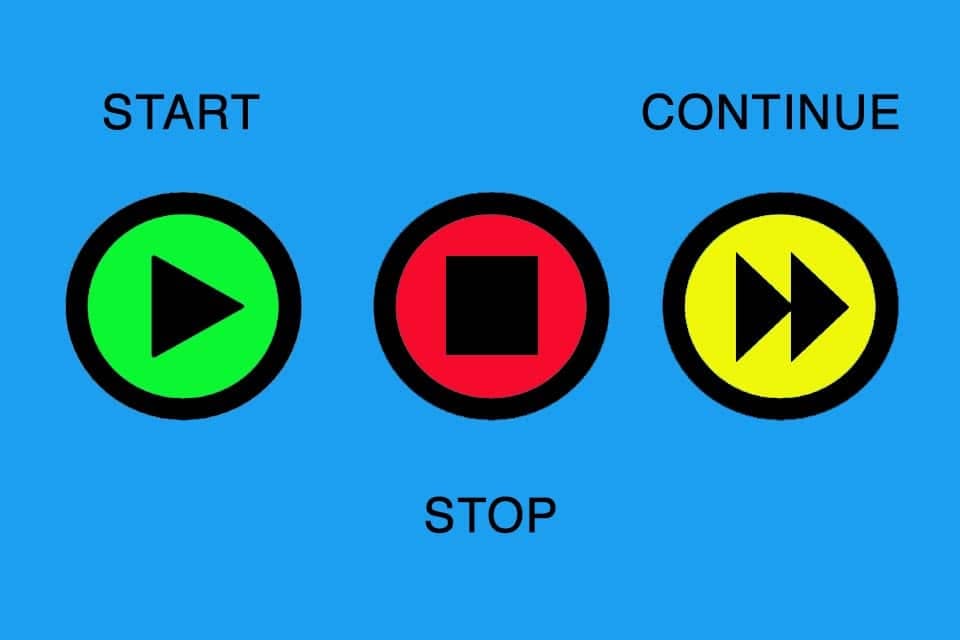
Start, Stop, Continue: A Simple Action-Oriented Retrospective
This retrospective turns feedback into action by asking what to start, stop, and continue doing. Teams use it after a sprint to improve processes and collaboration. The footgun: the 'Continue' list can become a long praise session, losing focus on improvement.
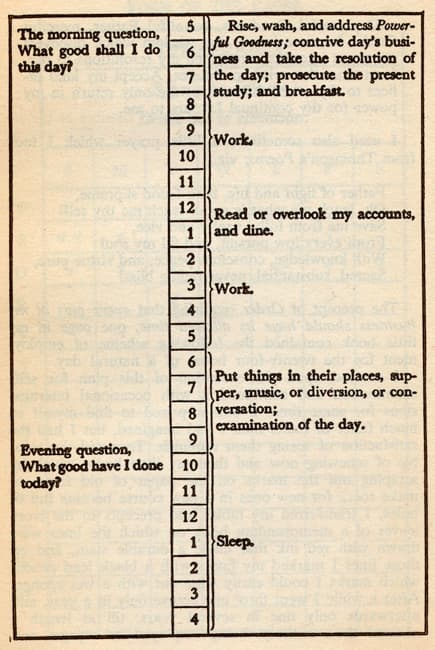
The Eisenhower Matrix: Urgent vs. Important
The Eisenhower Matrix sorts tasks by urgency and importance, not just deadlines. Use it for daily or weekly planning to focus on what truly moves the needle. The biggest footgun is letting 'urgent but not important' tasks dictate your day.
Average Revenue Per User (ARPU)
ARPU is the average revenue each user generates, a pulse check for a subscription business's health. It's used by media and SaaS companies to track if users are becoming more valuable, but it can be skewed by a few high-paying "whales."
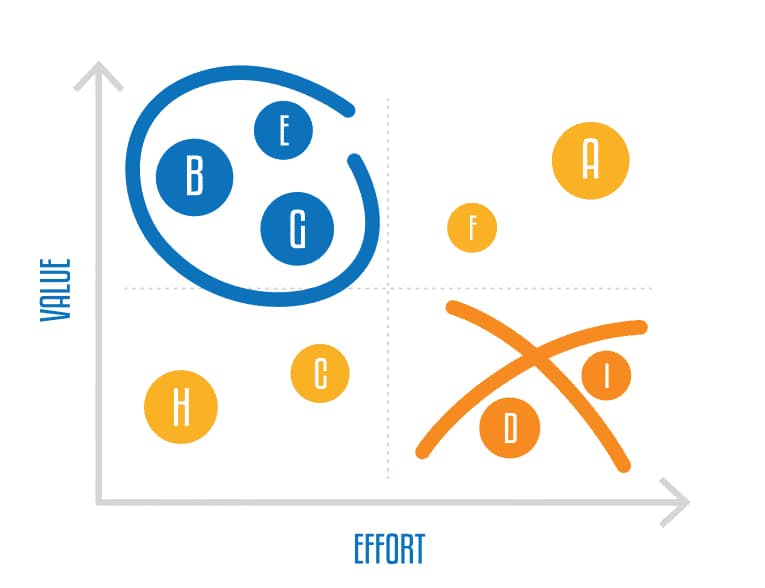
Value vs. Effort Matrix: Prioritize What to Build Next
A Value vs. Effort matrix is a 2x2 grid for deciding what to build, plotting features by their potential value against implementation complexity. Product teams use it to prioritize roadmaps and justify resource allocation.
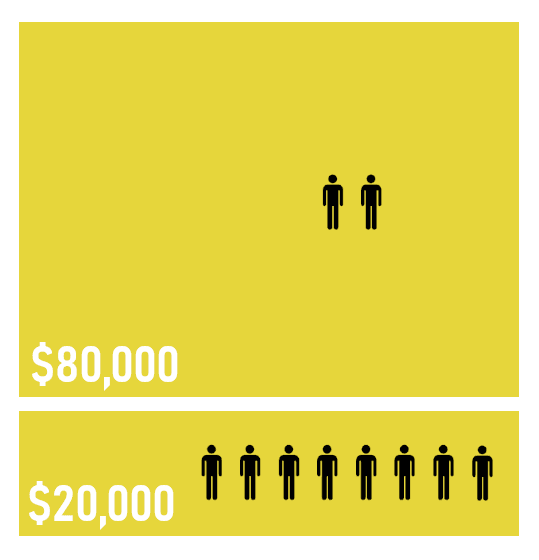
The 80/20 Rule: Find the Vital Few
The 80/20 rule states that most outcomes (80%) come from a few causes (20%). It's used to find high-impact work, like fixing the few bugs causing most crashes. The footgun is treating 80/20 as a precise law instead of a general heuristic.
Scope Creep: When 'Just One More Thing' Derails a Project
Scope creep is the uncontrolled growth of a project's requirements after it starts. It shows up as 'small tweaks' that balloon into major features, delaying schedules and increasing costs. The footgun is trying to prevent it entirely instead of managing it.

The Self-Serve Funnel: Let Your Product Do the Selling
A self-serve funnel lets users discover, try, and buy your product without talking to a human, making the product the main sales driver. It powers rapid growth for companies like Slack. The main footgun is poor onboarding; if users get stuck, they churn.
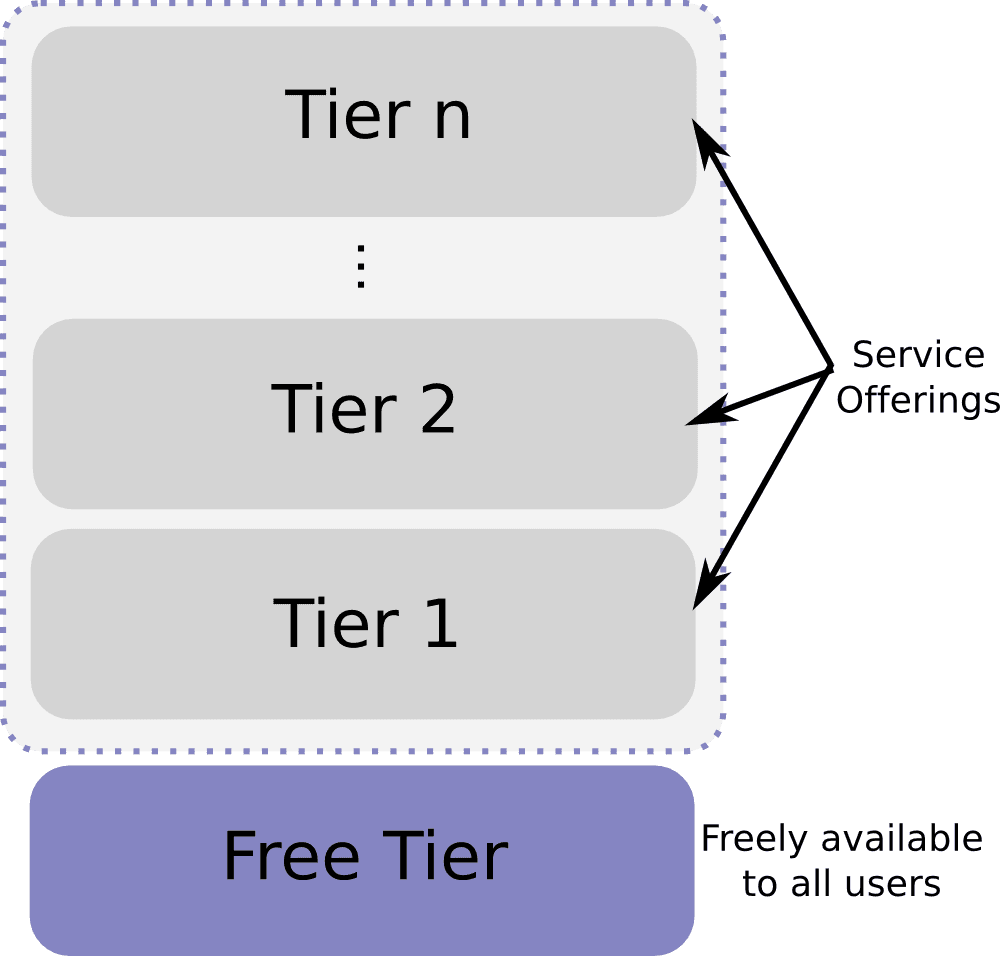
Freemium Model: Free Forever, Pay for More
The Freemium model offers a basic product for free, charging only for premium features, services, or goods. This pricing strategy is common in software and video games (as "free-to-play").

Probability Distribution: Mapping What's Possible
A probability distribution maps every possible outcome of a random event to its likelihood. It's used in A/B testing to model conversions or in monitoring to predict server load. The footgun is assuming every distribution is a bell curve; many are not.
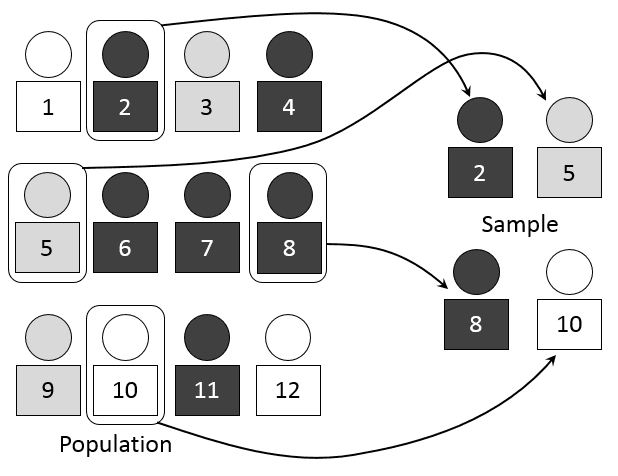
Sampling: Estimating the Whole from a Small Part
Sampling lets you understand a large group by studying a small, representative piece. Think of it like tasting a spoonful of soup to season the whole pot. It's used in A/B tests and polls, but the main footgun is a biased sample.

Ideal Customer Profile (ICP): Stop Selling to Everyone
An Ideal Customer Profile (ICP) is a data-driven portrait of the perfect customer for your business. It helps focus marketing and sales on high-value leads, reducing acquisition costs.

Law of Large Numbers: More Data, Truer Average
The more you repeat an experiment, the closer your average result gets to the true, underlying average. This is why A/B tests need sufficient traffic and casinos can reliably predict earnings. The footgun is mistaking it for the 'law of averages' fallacy.

Launch Readiness Checklist: Your Launch's Single Source of Truth
A launch checklist is a flight plan, not just a to-do list, coordinating every team from engineering to sales. It ensures marketing, sales, and support are aligned for a release.

Simple Design: The Simplest Thing That Could Possibly Work
Simple Design means building only what's needed now, not what you might need later. In agile projects like Extreme Programming, this keeps code lean for changing requirements.
Growth Accounting: What's Really Driving Your Growth?
Growth accounting splits your growth into two parts: adding more resources (like ad spend) and getting better with what you have. Use it to see if growth came from a bigger budget or a better product.
YAGNI: You Ain't Gonna Need It
YAGNI is a principle of radical simplicity: don't build features now just because you *think* you'll need them later. It forces focus on current requirements, preventing wasted effort on speculative work.
Linear Regression: Forecasting with a Straight Line
Linear regression forecasts the future by drawing a straight line through past data. It's used to predict outcomes like sales based on ad spend or energy use based on temperature.
DRY: Don't Repeat Yourself
DRY means every piece of knowledge has one single, authoritative representation in your system. This applies to business logic, config, or docs; a change in one place updates everywhere.
We are hiring for this. Every open role lists the topics its interview covers, so you can prepare for the real thing rather than guessing.
See open roles