Intermediate concepts in Product Management, page 13
Revenue Churn: Dollars Lost, Not Logos
Revenue churn tracks dollars lost from your existing base, not just headcount. In subscriptions, one enterprise downgrade can dwarf ten small cancellations. Teams often celebrate low logo churn while ignoring revenue churn that silently erodes growth.
Revenue Recognition in Growth Experiments
Revenue is earned as you deliver value, not when cash arrives. In growth experiments, booking an annual prepayment as immediate revenue makes a pricing test look like a massive win. Teams often confuse bookings with revenue and credit experiments incorrectly.
Log Exposure, Not Just Assignment
Exposure logging records when a user actually sees a variant, not just assignment. Counting assigned but unexposed users dilutes treatment effects and biases lift. The common footgun is logging assignment as exposure, which silently underpowers your test.
Kotter's 8-Step Change Model
Kotter's 8-Step Model treats organizational change as a campaign, not a memo. It's used for major shifts like mergers or new AI strategies. Skipping steps like creating urgency or celebrating small wins is a common failure mode, causing momentum to fizzle out.
Embedded Growth Teams: Experimentation as a Squad Muscle
Growth talent embedded in product squads spreads experimentation beyond a central team. It fits multi-surface products needing data-driven culture. The footgun is letting embedded specialists become sole experimenters while squad PMs and engineers disengage.

Bimodal IT: Running Your IT Org at Two Speeds
Bimodal IT runs IT at two speeds: a stable, predictable "Mode 1" for core systems and an agile, experimental "Mode 2" for innovation. This allows enterprises to build new digital products without breaking the essential legacy systems that run the business.
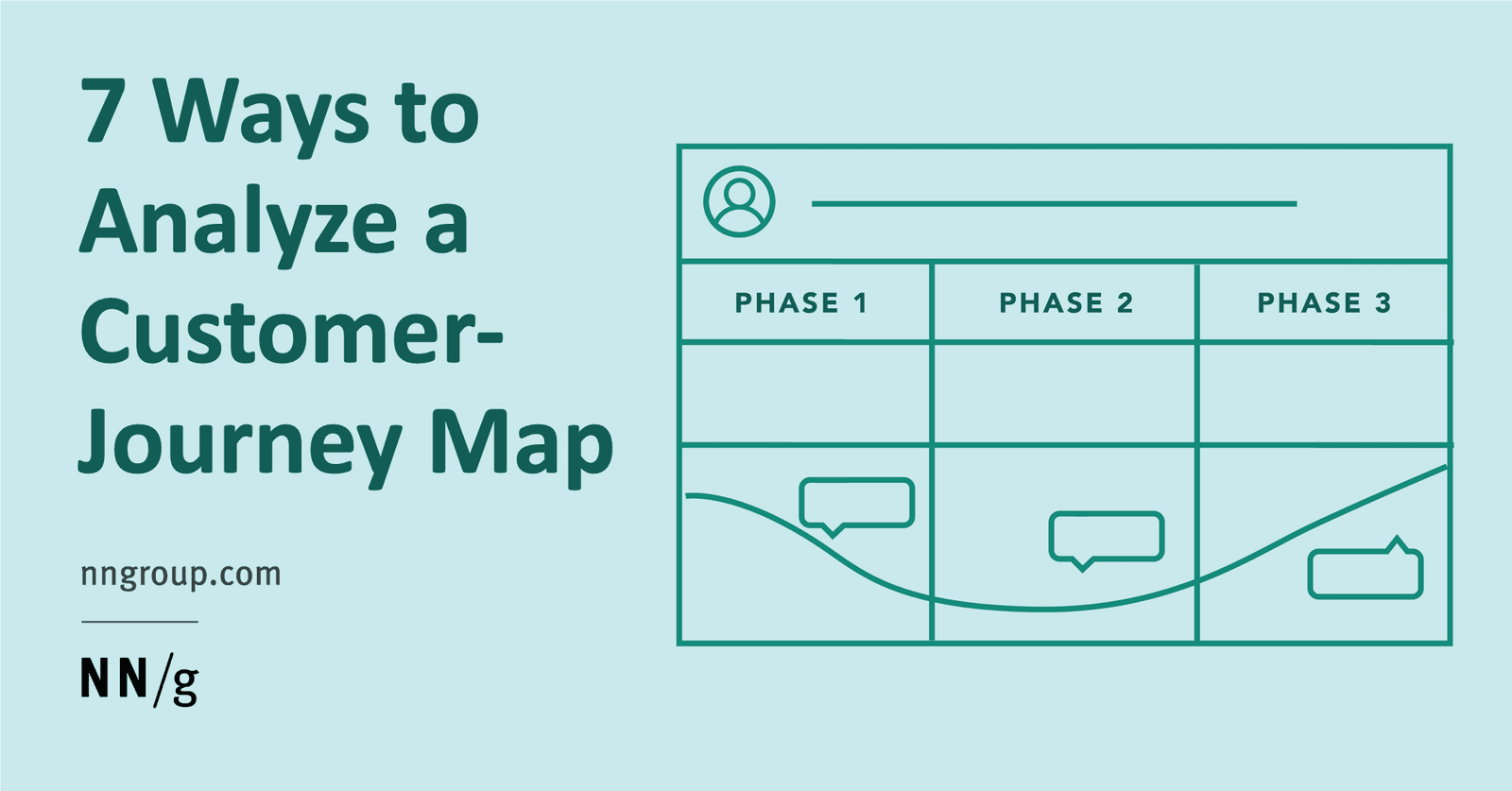
User Journey Analysis: Finding Friction and Opportunity
User journey analysis is like watching a film of your customer's experience to find plot holes. It helps spot where a product fails to meet expectations or has redundant steps. The biggest footgun is analyzing without a clear persona in mind.
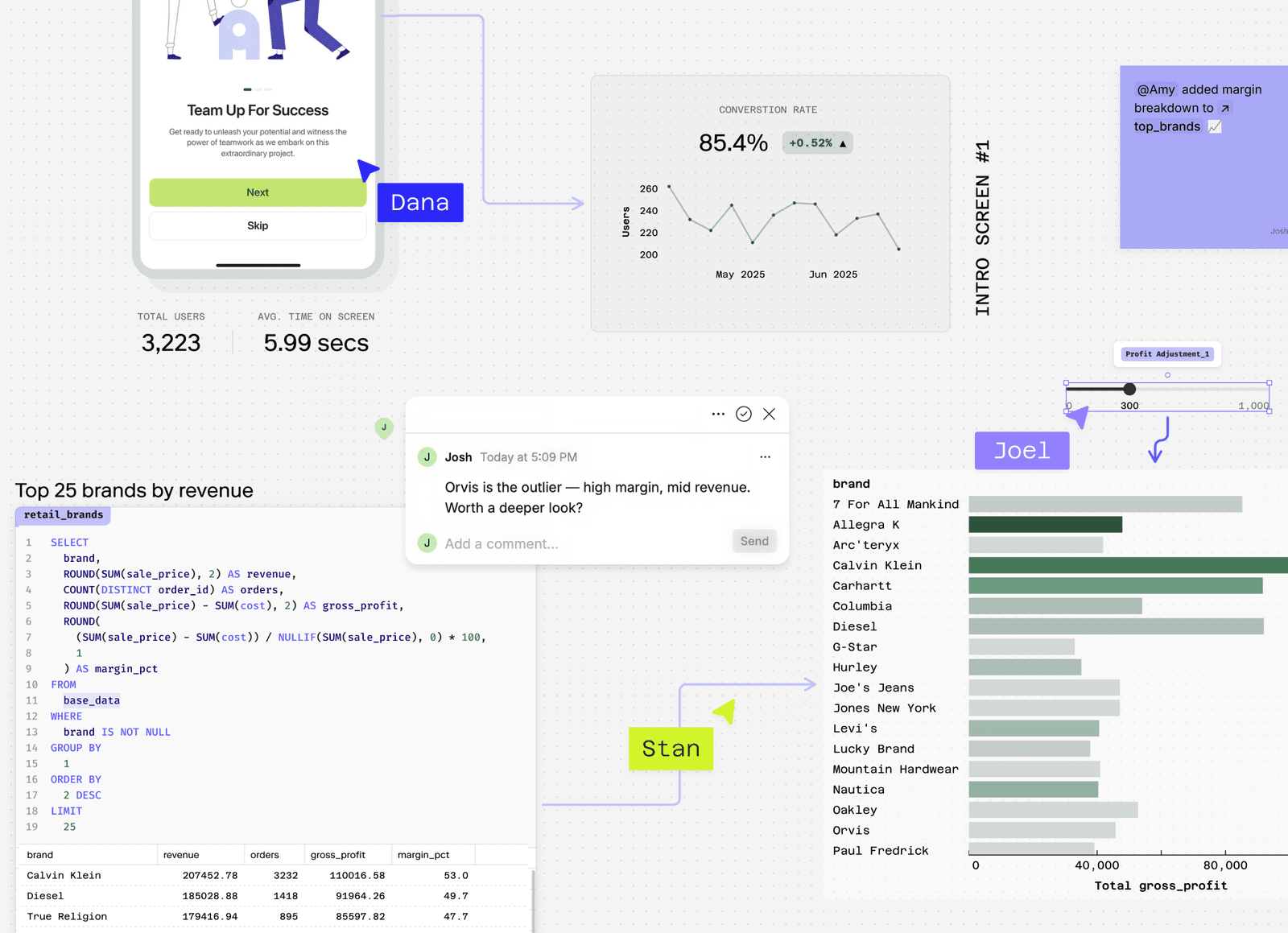
User Engagement Score: A Health Check for Your Product
A User Engagement Score distills complex user behavior into a single number, showing if users find value or are at risk of churning. Product teams use it to gauge feature adoption, while success teams identify at-risk accounts.

The Aha! Moment: Finding Your Product's Core Value
The Aha! Moment is when a user first understands your product's core value, turning them from a trial user into a long-term customer. It's key for product teams improving activation and reducing churn.

The Power User Curve: Go Beyond DAU/MAU
The Power User Curve is a histogram showing user activity distribution, revealing what single metrics like DAU/MAU hide. It shows if you have a core of daily "power users" (a "smile" curve) or just casual visitors, guiding your product and monetization…

Product-Qualified Lead (PQL)
A product qualified lead is a user whose in product behavior, not a form fill or sales call, signals they are ready to buy. Product led companies use signals like inviting teammates or hitting a usage cap to route high intent users to sales.
The 12 Agile Principles: Guiding Values, Not Rigid Rules
The 12 Agile Principles are values that prioritize customer satisfaction, working software, and team collaboration over rigid plans. They inform daily stand-ups and retrospectives, helping teams adapt to change.
Analyzing Feature Engagement: Breadth vs. Depth
Breadth vs. Depth analysis plots features on a 2x2 grid: how many people use a feature (breadth) vs. how often (depth). It helps decide where to invest, like improving a popular but seldom-used feature or boosting a niche power-user tool.
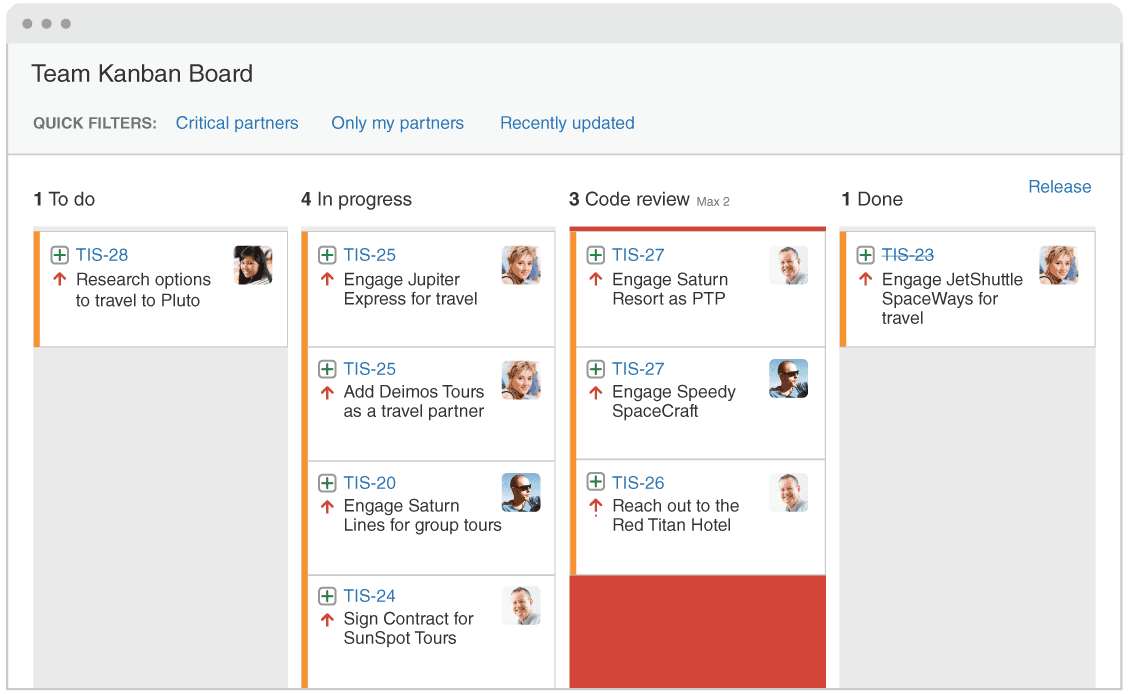
WIP Limits: Stop Starting, Start Finishing
WIP limits force teams to finish existing work before starting new work, creating a pull system that exposes bottlenecks. This is a core Kanban practice to reduce context switching and shorten lead times.
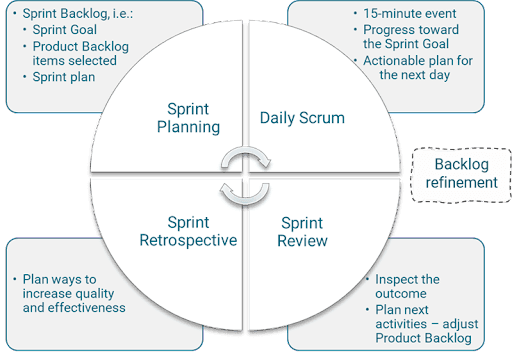
Sprint Planning: Committing to a Goal, Not Just Tasks
Sprint Planning isn't just picking tasks; it's the team committing to a valuable Sprint Goal. This ceremony kicks off every sprint, aligning everyone on what to build and why.

Conflict Management in Agile Teams
Agile's tight, high interaction cadence, standups, planning, retros, surfaces disagreement constantly. Conflict management means treating friction as raw material for a better decision, resolved openly, not avoided to keep the sprint looking smooth.
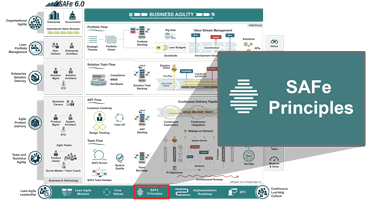
Systems Thinking: Optimize the Whole, Not the Parts
Systems thinking means optimizing the entire system, not just its individual parts. In large-scale development, siloed teams create local efficiencies that harm the overall delivery pipeline.
Agile Velocity: A Forecasting Tool, Not a Target
Agile velocity isn't about speed; it's a measure of a team's predictable output per iteration. It's used to forecast how much work can be done in future sprints and to estimate release dates. The footgun is treating it as a productivity KPI.

Agile Spikes: Time-Boxed Research to Reduce Uncertainty
A spike is a time-boxed investigation to answer a question or reduce uncertainty. It's a story whose deliverable is knowledge, not shippable code. Spikes are used to de-risk complex stories or evaluate technical options.

Data Democratization: Self-Service Analytics for Everyone
Data democratization means non-technical staff can access and use data without waiting for IT. It empowers sales to analyze their pipeline or marketing to track campaign ROI directly.
We are hiring for this. Every open role lists the topics its interview covers, so you can prepare for the real thing rather than guessing.
See open roles