Concepts in Product Management, page 27
Apache Spark: A Unified Engine for Big Data
Think of Apache Spark as a general-purpose engine for large-scale data analytics. It lets you program an entire cluster of machines as one, automatically handling data parallelism and fault tolerance so you can focus on the analysis itself.

The Satir Change Model
The Satir Change Model maps a team's emotional journey through disruption. When a new process is introduced, performance doesn't just improve; it first dips into resistance and chaos.
Revenue Recognition in Growth Experiments
Revenue is earned as you deliver value, not when cash arrives. In growth experiments, booking an annual prepayment as immediate revenue makes a pricing test look like a massive win. Teams often confuse bookings with revenue and credit experiments incorrectly.
Databricks: The Unified Platform for Data and AI
Databricks unifies your data warehouse and data lake into a single 'Lakehouse' platform. It's used for building ETL pipelines, training ML models, and running BI queries on the same data. The main footgun is cost: its power can lead to surprise bills.

The ADKAR Model for Change Management
The ADKAR Model is a Prosci methodology for managing organizational change. It's applied during large-scale projects like ERP implementations, digital transformations, and mergers across industries like healthcare and finance.
Log Exposure, Not Just Assignment
Exposure logging records when a user actually sees a variant, not just assignment. Counting assigned but unexposed users dilutes treatment effects and biases lift. The common footgun is logging assignment as exposure, which silently underpowers your test.
Activation Rate: Measuring the 'Aha!' Moment
Activation rate measures the percentage of users who experience your product's core value, not just sign up. It's a key metric for diagnosing onboarding effectiveness. The common mistake is tracking 'completed onboarding' instead of the 'aha!'
Kotter's 8-Step Change Model
Kotter's 8-Step Model treats organizational change as a campaign, not a memo. It's used for major shifts like mergers or new AI strategies. Skipping steps like creating urgency or celebrating small wins is a common failure mode, causing momentum to fizzle out.
Embedded Growth Teams: Experimentation as a Squad Muscle
Growth talent embedded in product squads spreads experimentation beyond a central team. It fits multi-surface products needing data-driven culture. The footgun is letting embedded specialists become sole experimenters while squad PMs and engineers disengage.
Feature Adoption Rate: Measuring if New Features Deliver Value
Feature adoption rate measures if users actually use specific features, not just log in. It's vital for SaaS products to prove ongoing value for renewals. The footgun: a low rate means customers pay for unused bloat, which actively hurts perceived value and…

Bimodal IT: Running Your IT Org at Two Speeds
Bimodal IT runs IT at two speeds: a stable, predictable "Mode 1" for core systems and an agile, experimental "Mode 2" for innovation. This allows enterprises to build new digital products without breaking the essential legacy systems that run the business.
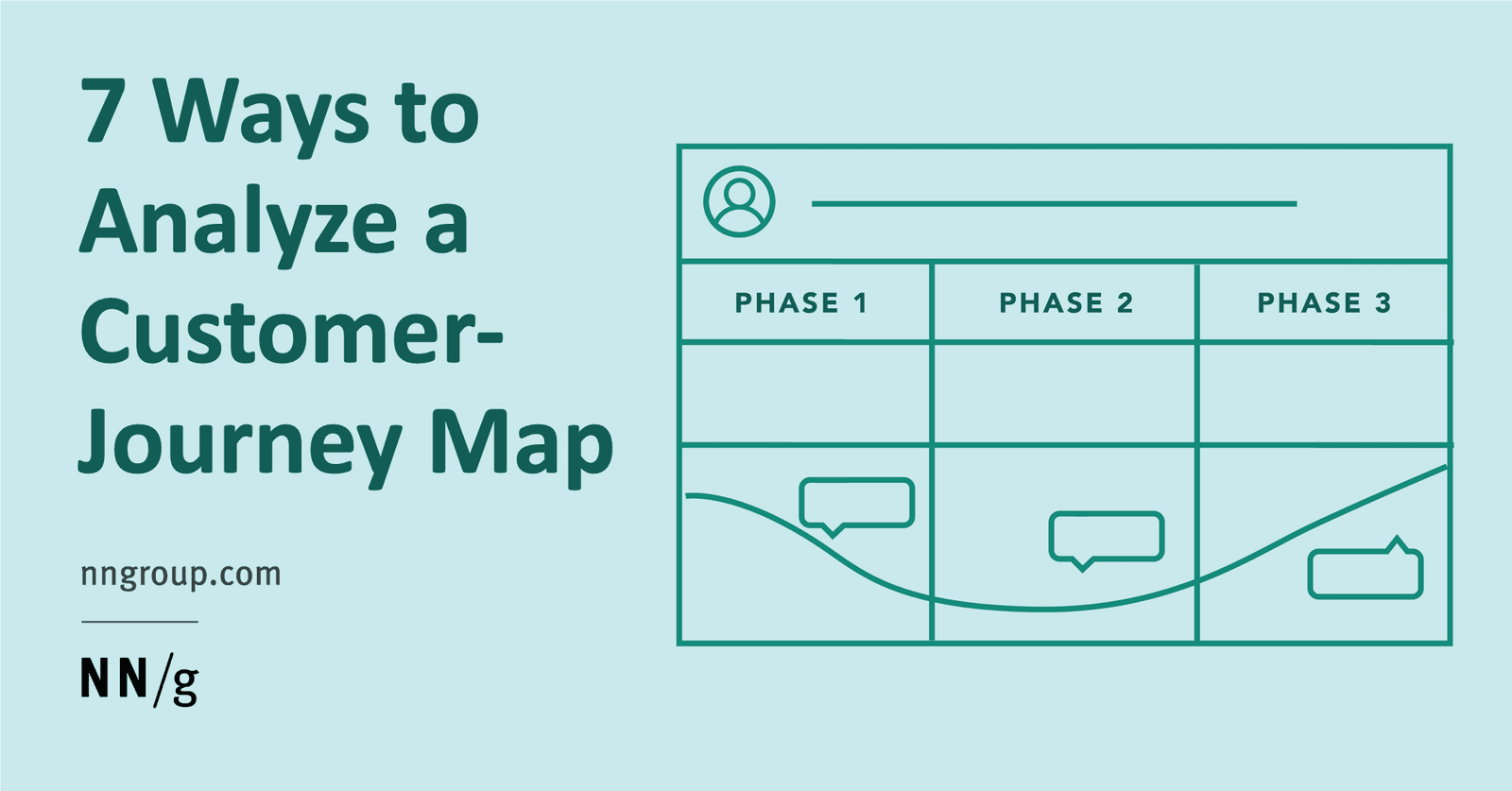
User Journey Analysis: Finding Friction and Opportunity
User journey analysis is like watching a film of your customer's experience to find plot holes. It helps spot where a product fails to meet expectations or has redundant steps. The biggest footgun is analyzing without a clear persona in mind.
The Flight Levels Model: Connecting Strategy to Execution
The Flight Levels model visualizes work at three altitudes: strategic initiatives (Level 3), cross-team coordination (Level 2), and team execution (Level 1). It helps ensure high-level strategy translates to daily work.
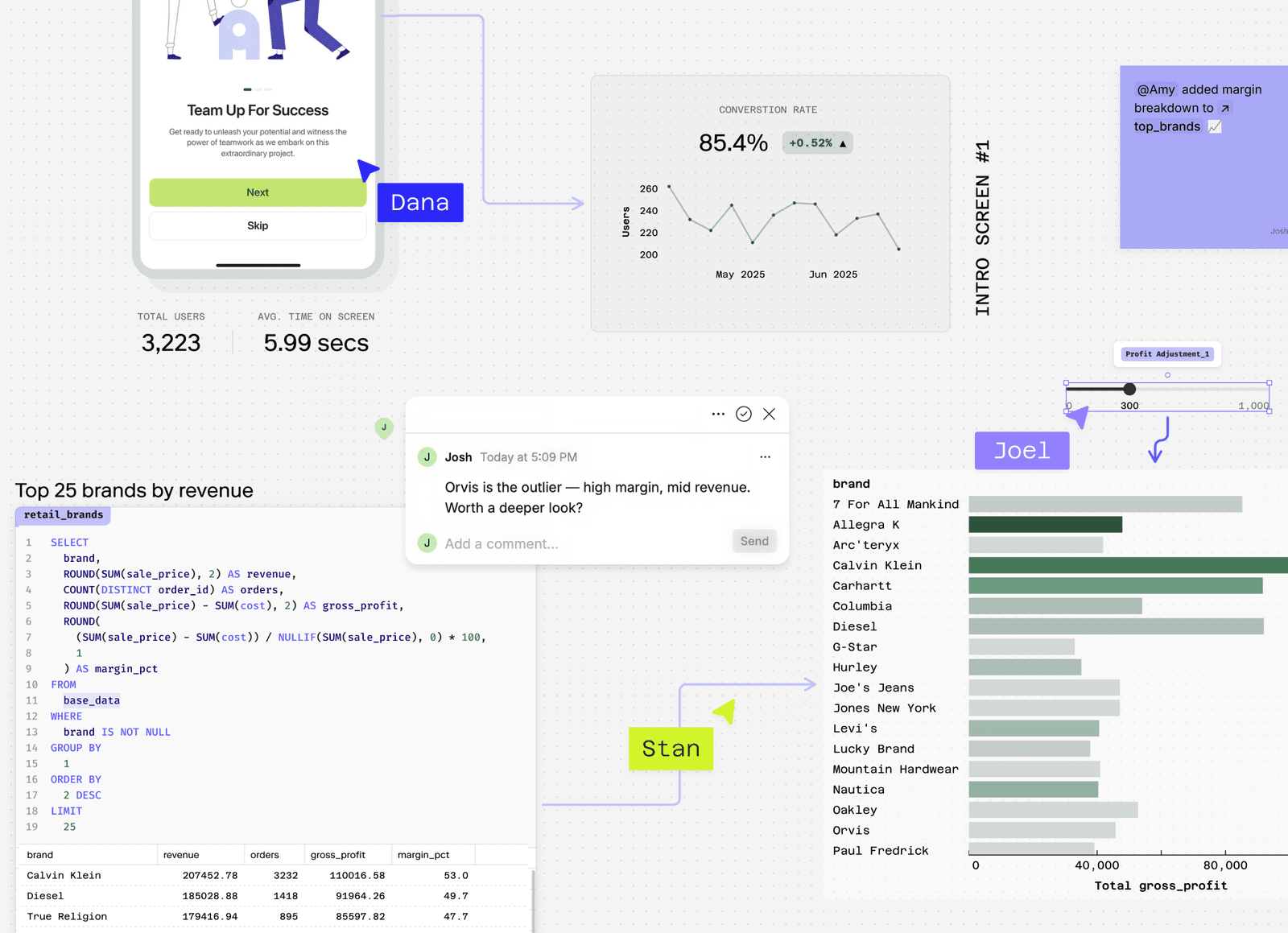
User Engagement Score: A Health Check for Your Product
A User Engagement Score distills complex user behavior into a single number, showing if users find value or are at risk of churning. Product teams use it to gauge feature adoption, while success teams identify at-risk accounts.
Holacracy: An Operating System for Your Organization
Holacracy replaces a management hierarchy with a formal constitution, vesting authority in roles, not people. It provides a structured way to scale self-management.

The Aha! Moment: Finding Your Product's Core Value
The Aha! Moment is when a user first understands your product's core value, turning them from a trial user into a long-term customer. It's key for product teams improving activation and reducing churn.
Sociocracy 3.0: A Pattern Library for Agile Governance
Think of Sociocracy 3.0 (S3) as a modular toolkit of patterns for agile collaboration, not a rigid process. It helps organizations adapt incrementally without a massive overhaul. The main footgun is adopting patterns without understanding the core principles.

The Power User Curve: Go Beyond DAU/MAU
The Power User Curve is a histogram showing user activity distribution, revealing what single metrics like DAU/MAU hide. It shows if you have a core of daily "power users" (a "smile" curve) or just casual visitors, guiding your product and monetization…

The Unfix Model: An Org Design Pattern Library
The Unfix Model treats org design like a Lego set, not a pre-built model. It's a library of patterns for companies moving beyond rigid agile frameworks to build dynamic, self-managed teams. The footgun is treating it as another framework to install wholesale.

Product-Qualified Lead (PQL)
A product qualified lead is a user whose in product behavior, not a form fill or sales call, signals they are ready to buy. Product led companies use signals like inviting teammates or hitting a usage cap to route high intent users to sales.
We are hiring for this. Every open role lists the topics its interview covers, so you can prepare for the real thing rather than guessing.
See open roles