Concepts in Product Management, page 3
Tag Management Systems: Control Your Analytics Snippets
A Tag Management System (TMS) is a single container for all the analytics and marketing scripts you'd otherwise hardcode. Instead of asking engineers to add new scripts, you add them via a web UI.
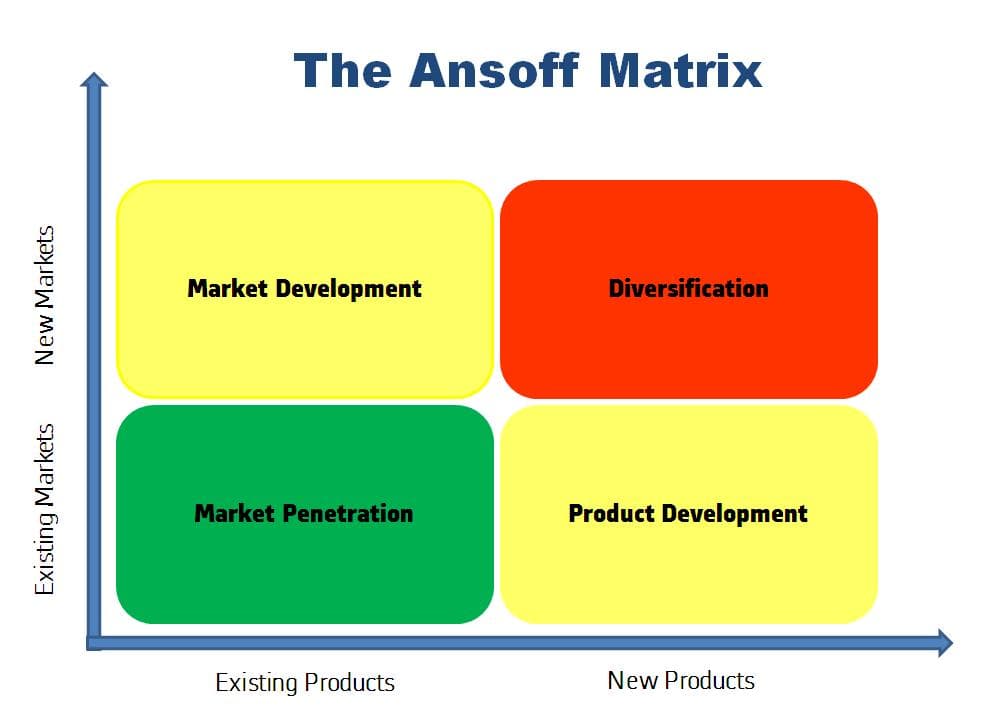
The Ansoff Matrix: Four Paths to Business Growth
The Ansoff Matrix maps growth strategy onto a 2x2 grid of products (new vs. existing) and markets (new vs. existing). It helps you decide whether to sell more of what you have or invent something new. The footgun is underestimating the risk of new ventures.
Identity Resolution: Stitching User Profiles Together
Identity resolution stitches together scattered user data into a single profile. It's like a detective matching a phone number from your CRM and a cookie from your website to the same person.
Analytics Consent Management: Respecting User Choices
Consent management is the system that asks users for tracking permission and technically enforces their choice. It's legally required for sites using Google Analytics or Ads.
The Daily Scrum: A 15-Minute Team Sync
The Daily Scrum isn't just a status update; it's a 15-minute planning session for the next 24 hours. Team members sync on progress, identify blockers, and adjust their plan for the day. The footgun is treating it as a report to a manager.

Blue Ocean Strategy: Make Competition Irrelevant
Instead of fighting rivals in a crowded market ("red ocean"), Blue Ocean Strategy creates new, uncontested space ("blue ocean") that makes competition irrelevant. It applies when you pursue both differentiation and low cost.
Attribution Modeling: Who Gets Credit for a Conversion?
Attribution modeling decides how to credit different marketing channels for a conversion. It's like splitting a sales commission: does the first call, the final meeting, or everyone involved get credit? The footgun is using a simplistic model like last-touch.

The Data Layer: Your Web Page's Central Message Bus
The data layer is a central message bus for your website, decoupling your app from analytics tags. It passes dynamic data like purchase totals or button clicks to tools like Google Tag Manager, which listens for these events to fire tags.

Diffusion of Innovations: How Good Ideas Spread
New tech spreads in a predictable S-curve, moving through groups from Innovators to Laggards. Use this model to target the right users at the right time, like focusing on Early Adopters to cross the 'chasm' to the majority.

Schema-on-Read vs. Write: Pay for Structure Now or Later?
Schema-on-Write pays to structure data upfront for fast, consistent reads. Schema-on-Read defers this cost to query time for flexible ingestion. This choice underpins relational databases (write) vs. data lakes (read). The footgun is creating a data swamp.

User ID: The Key to Cross-Device Analytics
A User ID stitches together a person's journey across devices and sessions, moving beyond anonymous tracking. It's key for apps with logins to see the full customer lifecycle. The footgun: never use the User ID for a custom dimension; it will break reporting.
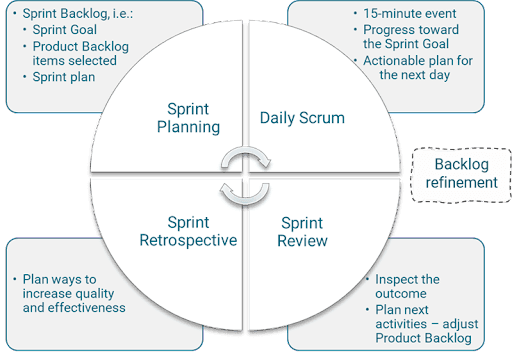
The Scrum Master: A Coach, Not a Manager
A Scrum Master is a servant-leader who coaches a team on Scrum practices, not a project manager who assigns tasks. They facilitate events and remove impediments. The footgun is treating them as a team admin, which undermines the team's self-organization.
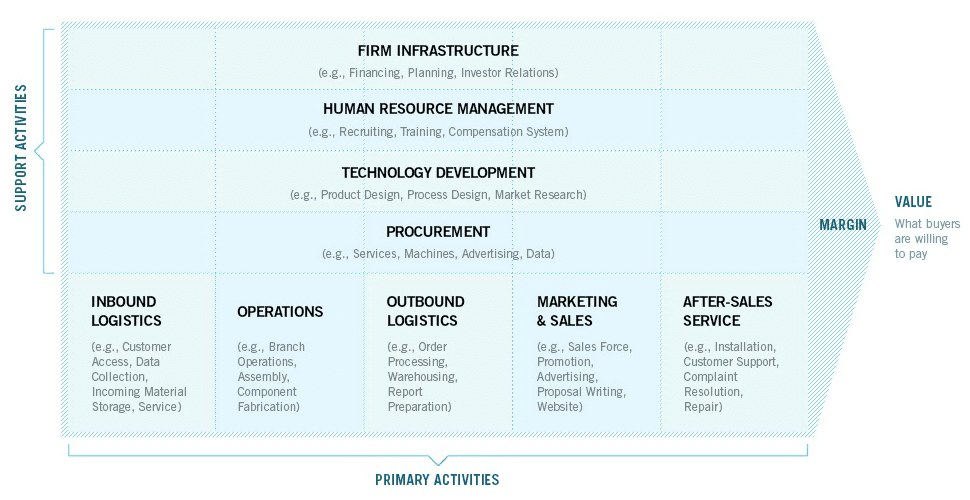
Value Chain Analysis: Find Your Edge by Mapping Your Activities
Value Chain Analysis maps a company's activities to find its competitive edge. Instead of a list of costs, it shows how each step adds value, revealing where you can lower costs or justify higher prices.
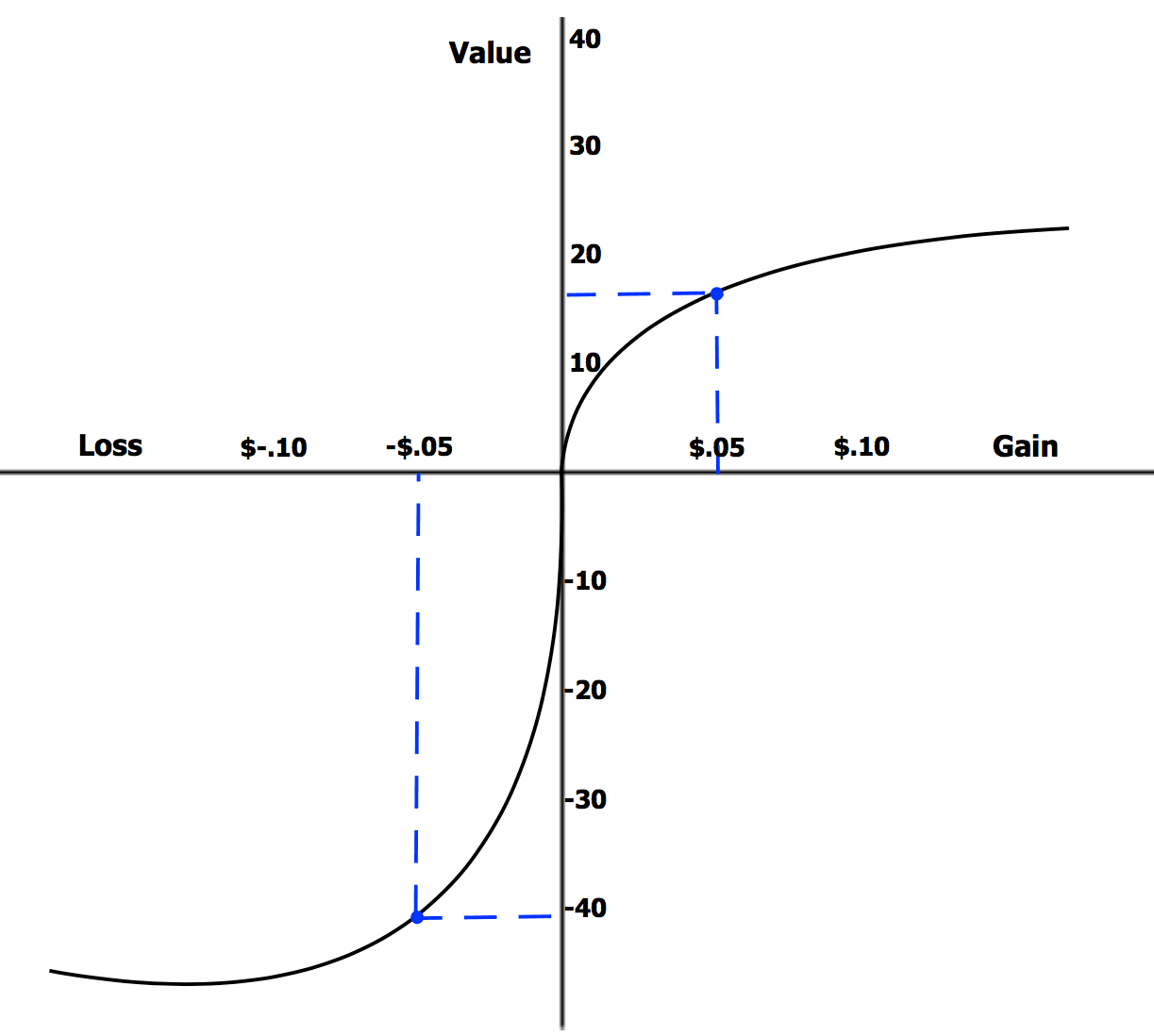
Loss Aversion: Why Losing $10 Hurts More Than Gaining $10
Loss aversion is the bias where losing something feels twice as bad as gaining the same thing feels good. It drives user behavior in free trials and pricing. Don't confuse this emotional reaction to framing with rational risk aversion.

Client-Side vs. Server-Side Tracking
The difference is who sends your data: the user's browser (client-side) or your server (server-side). Client-side is simple but fragile against ad blockers. Server-side offers more control but adds cost. The footgun is thinking server-side is a magic fix.
Disruptive Innovation: Why 'Good Enough' Often Wins
Disruptive innovation isn't a better product, but a simpler, cheaper one incumbents ignore. It wins by serving overlooked customers at the bottom of a market, eventually moving up.
Social Proof: People Copy People
Social proof is the tendency to copy others' actions, assuming they reflect the correct behavior. It’s why we trust a product with thousands of positive reviews or a restaurant with a long line. The footgun: the crowd can be wrong or even faked.
Event Autocapture: Low-Effort Frontend Analytics
Event autocapture is like a security camera for your UI, recording all user interactions automatically. It's used in web analytics to capture clicks and page views with minimal setup, letting you analyze behavior without manually instrumenting every button.
Qualitative vs. Quantitative: The 'Why' and the 'How Many'
Quantitative research counts and measures ("how many?"), while qualitative research explores and understands ("why?"). Use quantitative for A/B tests to get statistical proof, and qualitative for user interviews to uncover motivations.

Fogg Behavior Model: Why Users Act (or Don't)
The Fogg Behavior Model states a behavior only happens when Motivation, Ability, and a Prompt converge (B=MAP). Use it to diagnose why a feature fails or to design new ones. The footgun is blaming low motivation when the real issue is low ability.
We are hiring for this. Every open role lists the topics its interview covers, so you can prepare for the real thing rather than guessing.
See open roles