Concepts in Product Management, page 9
Positioning Statement: Your Product's Internal Compass
A positioning statement is an internal compass, not a public slogan. It defines your product's unique place in the market for a specific customer, guiding all marketing and product decisions.
Display Advertising: Renting Billboards on the Web
Display advertising is like renting billboards on third-party websites, using banners and videos to reach users where they are. It's used for brand awareness and retargeting. The footgun: judging success by clicks alone ignores its value in brand lift.
Data Stewardship: The Librarian for Your Data
A data steward is the designated owner of a data asset, responsible for its quality and business value, not just its storage. This role is crucial where data is shared across teams, ensuring consistency.
The Onlyness Statement: What Makes You Unique?
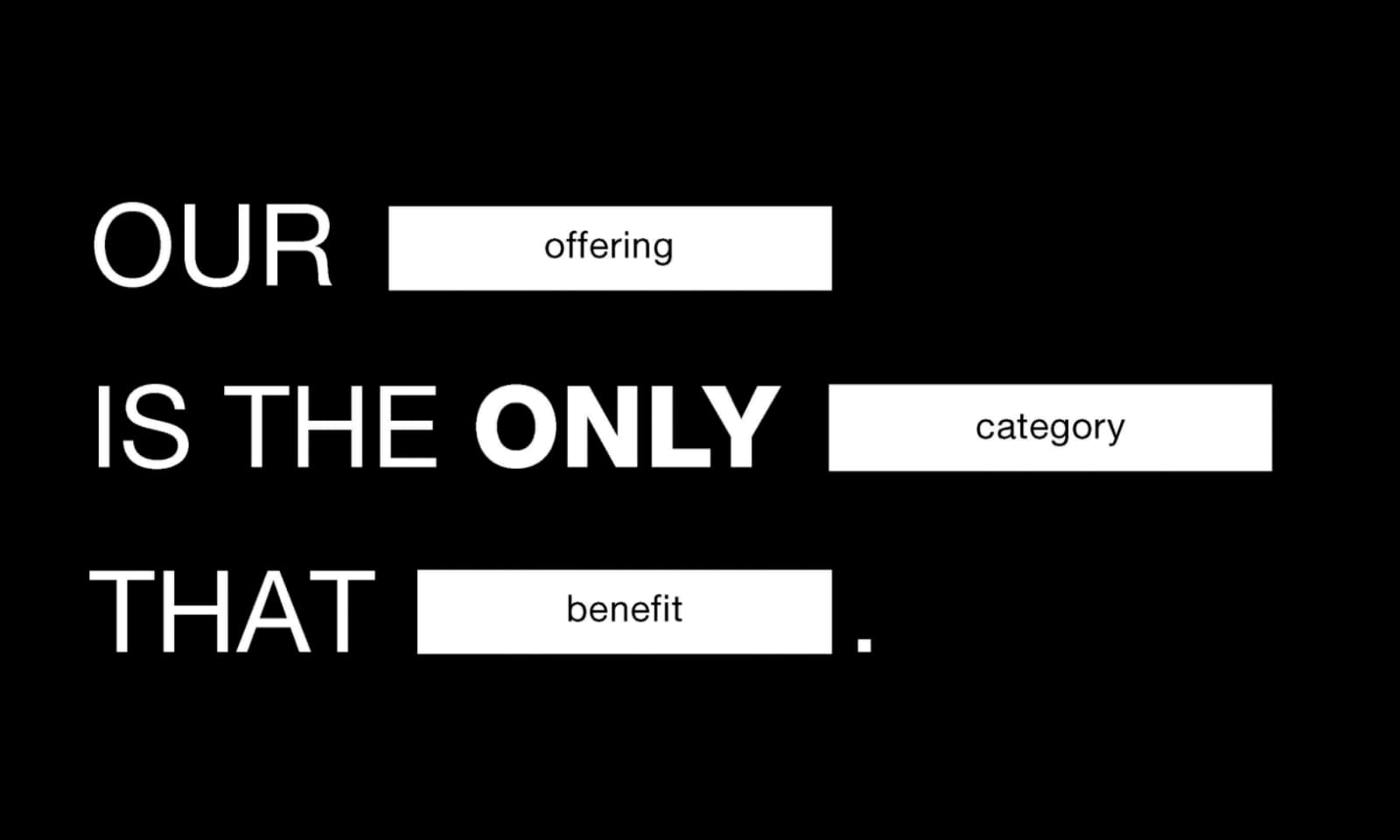
The Onlyness Statement forces you to define what makes your product the *only* choice in its category. It's a test of your core business, not just marketing. Use it in strategy meetings to clarify your unique value.
App Store Optimization (ASO): SEO for Mobile Apps
ASO is SEO for app stores, aiming to get your app seen and downloaded organically. It involves optimizing keywords, screenshots, and reviews to rank higher in search and charts.
Data Masking: Protect Data, Preserve Utility
Data masking creates a realistic but fake version of your data by scrambling sensitive fields. It's used to give developers and analysts safe datasets for testing or analytics without exposing real PII.
T-Shaped Skills: Deep Expertise, Broad Collaboration
T-shaped skills describe a professional with deep expertise in one area (the T's vertical bar) and the ability to collaborate across others (the horizontal bar). This is vital in agile teams where cross-functional work is constant.

Points of Parity: First Be 'Good Enough,' Then Be Different
Points of Parity are the 'good enough' features a product needs to even compete. Before you can win with your unique Points of Difference, you must first meet these basic expectations. The footgun is ignoring parity and being disqualified by default.
Cost Per Mille (CPM): The Price of 1,000 Ad Impressions
CPM is the price for 1,000 ad impressions, a common metric for brand awareness campaigns. It's like buying billboard space online. The footgun is confusing low cost with high value; CPM measures exposure, not engagement or conversion.
Report Generation: Turning Raw Data into Human-Readable Documents
Report generators translate raw data into formatted documents for human eyes. They power business dashboards and sales summaries. The main footgun is forgetting the report is a stale snapshot, not the live data source itself.
Collective Code Ownership: The Team Owns the Code
Collective code ownership treats the entire codebase as team property; anyone can change anything. This prevents bottlenecks in agile teams, especially during refactoring.
Product Differentiation: Standing Out in a Crowded Market
Product differentiation is making your product uniquely distinct for a specific audience, not just objectively 'better'. It's how a new phone brand might focus on privacy to avoid competing on price alone.
Programmatic Advertising: A Stock Exchange for Ads
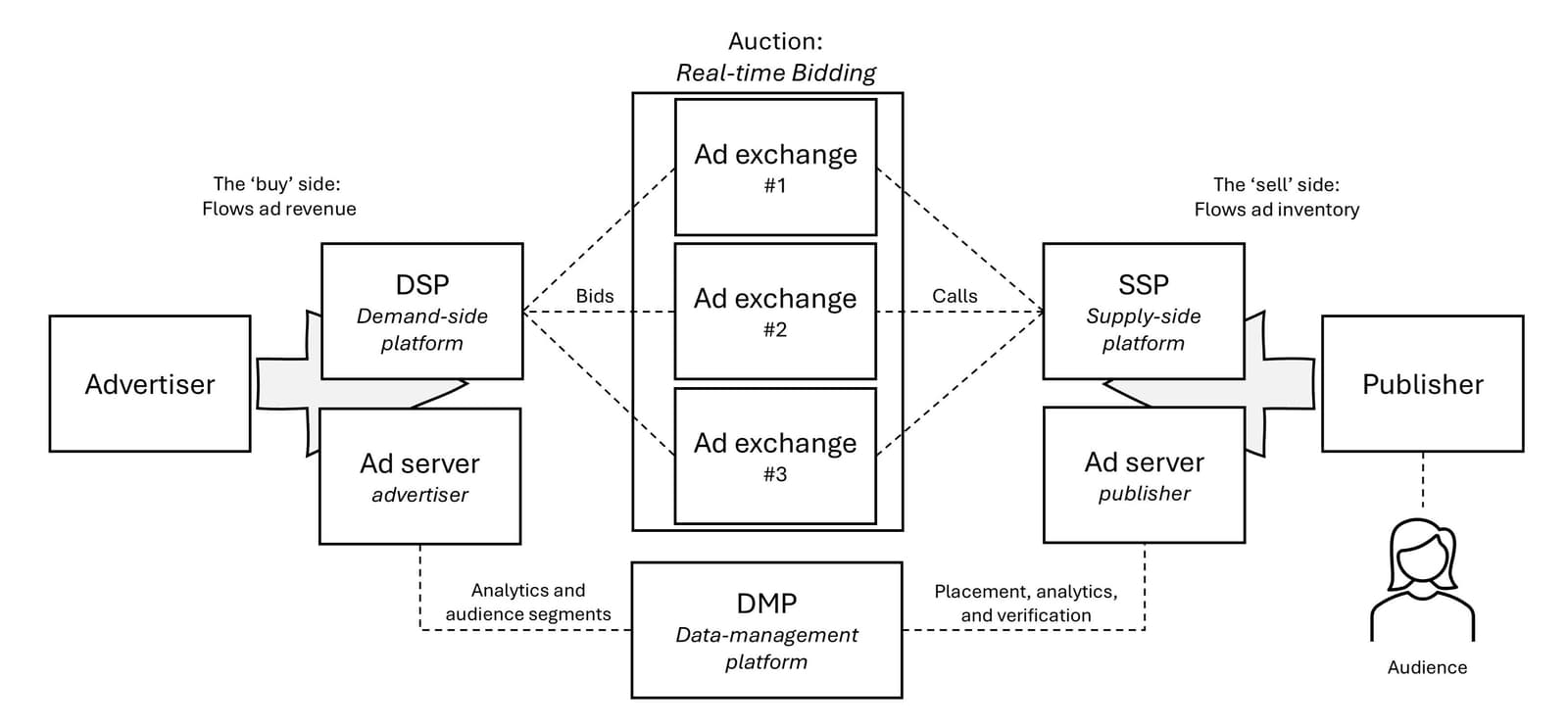
Think of programmatic advertising as a stock exchange for ad impressions. It automates buying ad space via real-time auctions, letting you target specific users across the web. The main footgun is paying for fraudulent bot traffic or appearing on unsafe sites.
Descriptive Statistics: What Your Data Looks Like
Descriptive statistics summarize the data you have, painting a picture of your sample without making guesses about the wider world. It's used for calculating things like average age or max response time.

Pair Programming: Two Heads, One Keyboard
Think of pair programming as a continuous code review. One developer (the Driver) writes code while the other (the Navigator) reviews it in real-time. This is often used for complex tasks or onboarding. The footgun is letting one person dominate the keyboard.

Crossing the Chasm: From Early Hype to Mainstream Success
“Crossing the Chasm” is the dangerous gap between a tech product's first enthusiastic users and the pragmatic majority needed for real scale. It explains why products with initial hype fail.
Demand-Side Platform (DSP): Your Ad-Buying Robot
A DSP is an automated bidding system for advertisers, like a stock trading bot but for ad space. It lets them buy impressions across many publisher sites from one interface, targeting users in real-time auctions.
Business Intelligence (BI) Tools: From Raw Data to Dashboards
BI tools turn raw company data into visual dashboards and reports. They let non-technical teams explore sales trends or user behavior from a data warehouse, but remember: a slick dashboard built on messy data is just a pretty lie.

The Boy Scout Rule: Leave Code Cleaner Than You Found It
The Boy Scout Rule applies a simple principle to code: always leave it a little cleaner than you found it. When fixing a bug, make a small improvement like renaming a variable.
The Feature-Benefit-Value Ladder: Selling Outcomes, Not Specs
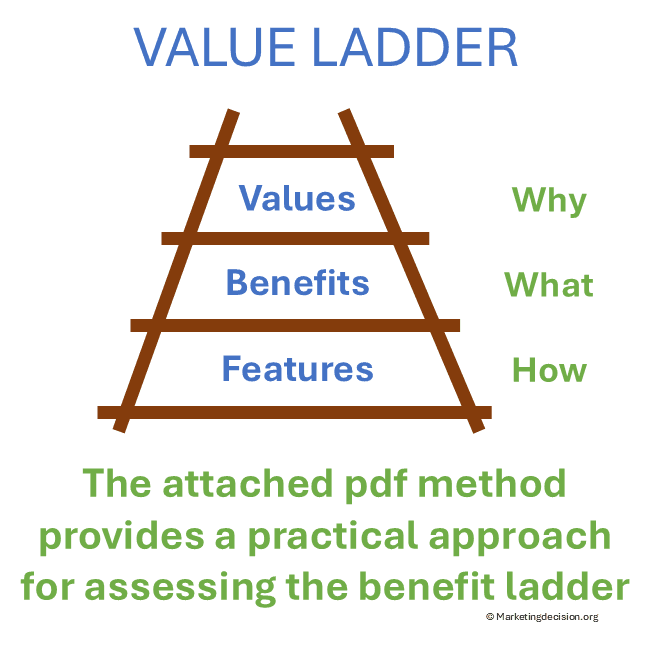
The Feature-Benefit-Value Ladder connects product specs to the outcomes customers truly want. It's used to prioritize features and craft messaging that links to core values.
We are hiring for this. Every open role lists the topics its interview covers, so you can prepare for the real thing rather than guessing.
See open roles