Interview questions in Product Management, page 13
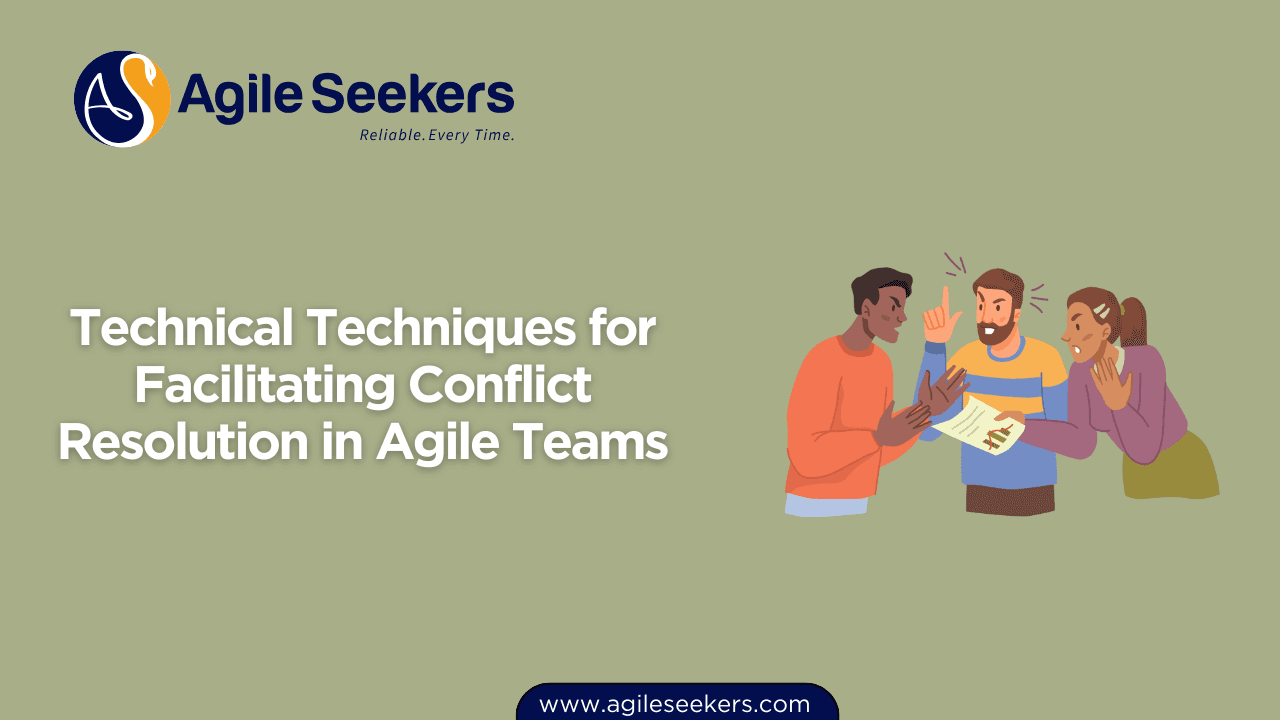
How does a self-managing team resolve strong technical disagreements without escalation?
This tests if you see conflict as healthy creative tension. A strong answer covers timeboxed dialogue, multi-voting with reasoning, and the senior dev as neutral facilitator. A red flag is letting the senior dev dictate the answer or escalate to management.
Architect a fast-follower AI strategy without a research team
Tests asymmetric advantage without a research lab. Strong answers propose a model-agnostic gateway, buy commoditized inference, build proprietary data loops only, and use open-source for control.

What framework decides between low-effort/low-impact and high-effort/high-impact experiments?
This tests structured experiment sequencing beyond gut instinct. A strong answer picks ICE, RICE, or PIE; scores both experiments by impact, confidence, and effort or reach; then weighs opportunity cost and bandwidth.
Slow dashboard querying a large fact table: first three checks?
This tests systematic diagnosis of fact-table query latency. A strong answer checks the execution plan and indexing, evaluates partitioning and data model fit, and inspects caching or pre-aggregation.
How to diagnose a slow dashboard query?
This tests systematic debugging of a data problem. A good answer investigates the query plan first, then the table's physical layout (partitioning/clustering), and finally the BI tool and warehouse load. A red flag is jumping to a solution without diagnosis.

How does a self-managing team handle technical disagreements?
This tests your ability to facilitate productive conflict, not just win arguments. A great answer outlines structured techniques like timeboxing dialogue and multi-voting with reasoning. A red flag is suggesting the senior dev acts as the sole tie-breaker.
How would you diagnose a slow dashboard query?
This tests your systematic approach to performance tuning. A great answer investigates query optimization, strategic indexing/partitioning, and the data model (like star schema).
How does a team handle strong technical disagreements?
This tests your ability to facilitate productive conflict. A great answer frames disagreement as healthy, then outlines structured techniques like timeboxing dialogue or multi-voting with reasoning.
Explain RICE scoring and its Confidence factor
Score equals Reach times Impact times Confidence divided by Effort; Confidence discounts uncertain estimates; ground it in evidence tiers.
What NFRs would you identify for a globally scalable, accessible service?
Tests decomposing vision into architecturally significant requirements. A strong answer pairs global with latency, residency, and failover; accessible with compliance and i18n; then prioritizes by impact.
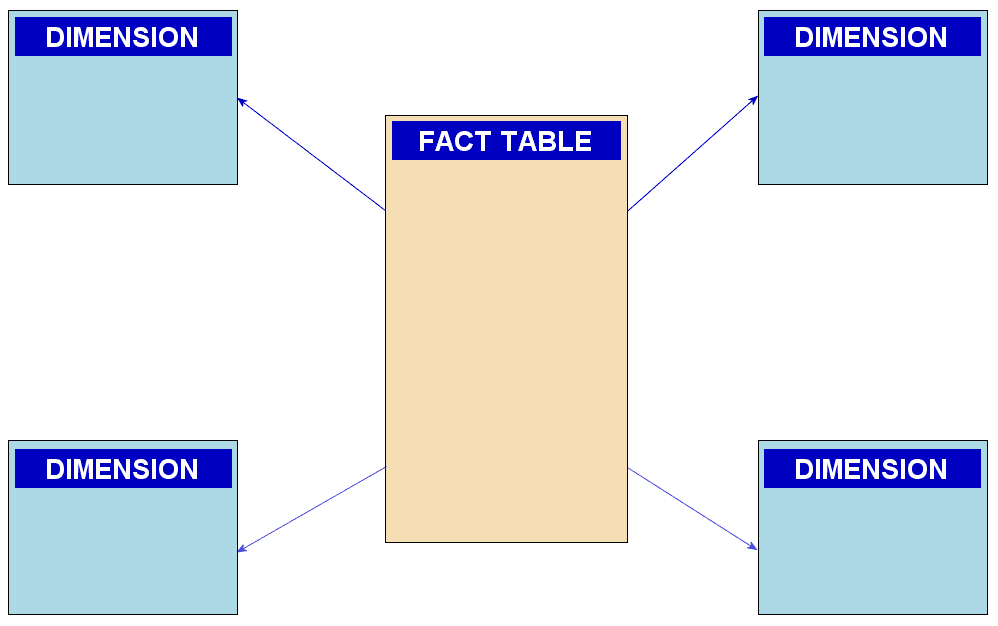
Why is star schema preferred over 3NF for analytics?
Tests your grasp of the read-performance trade-off in analytical schemas. A great answer names fact and dimension tables, emphasizes fewer joins for aggregations, and cites simpler SQL and faster query plans.
What are the key components of a well-written user story?
Tests your ability to turn vague needs into actionable, testable work. A strong answer covers who, what, and why; defines acceptance criteria as specific, testable scenarios; and references INVEST.
Explain the star schema and its advantages for analytics
This tests your grasp of OLAP vs. OLTP data modeling. A great answer defines fact/dimension tables, explains how denormalization leads to fewer joins and faster queries, and contrasts this with 3NF's focus on write integrity.
What are the components of a well-written user story?
This tests your understanding of user stories as conversation starters, not specs. A good answer covers the 3 C's (Card, Conversation, Confirmation) and INVEST criteria. A red flag is focusing only on the "As a..."
Explain a star schema and its advantages for analytics
Tests your grasp of data modeling trade-offs for OLAP vs. OLTP. A good answer defines fact/dimension tables, then explains how denormalization and fewer joins improve query speed for analytics. A red flag is confusing it with a snowflake schema.
What are the components of a well-written user story?
Tests your ability to translate business needs into actionable engineering work. A great answer covers the '3 Cs' (Card, Conversation, Confirmation), the INVEST criteria, and specific, testable Acceptance Criteria. A red flag is just reciting the 'As a...'
How do you analyze and present performance trade-offs against a trust vision?
Tests if you frame technical risk through the trust vision. Strong answers quantify speed versus trust cost, present mitigated options with staged rollouts, and assign business risk owners.

Develop a testable hypothesis for a 40% email verification drop-off
This tests structured hypothesis formation under uncertainty. Strong answers: segment the 40% drop by device and latency; build a Customer Theory from data; isolate one lever; draft a four-part MECLABS hypothesis. Red flag: skipping diagnosis to guess fixes.

How do duplicate events bias COUNT(*) and daily login reports?
Tests idempotency in streaming analytics. COUNT(*) overcounts; fix with unique event ID dedup via idempotent writes or COUNT(DISTINCT id), plus daily partition reconciliation. Red flag: SELECT DISTINCT * without a stable key or no reporting safeguard.

How would you break a large epic into sprint-ready user stories?
This tests decomposing scope into vertical, shippable slices. A strong answer maps user journeys, slices end-to-end functionality, applies INVEST, and sequences by risk and value. Red flag: horizontal layers like database, API, then UI.
We are hiring for this. Every open role lists the topics its interview covers, so you can prepare for the real thing rather than guessing.
See open roles