More in Product Management — page 49

How does an EM's role change in an agile model?
This tests your grasp of servant leadership. A great answer explains the shift from directing work to enabling teams by building capabilities, removing impediments, and managing boundaries.
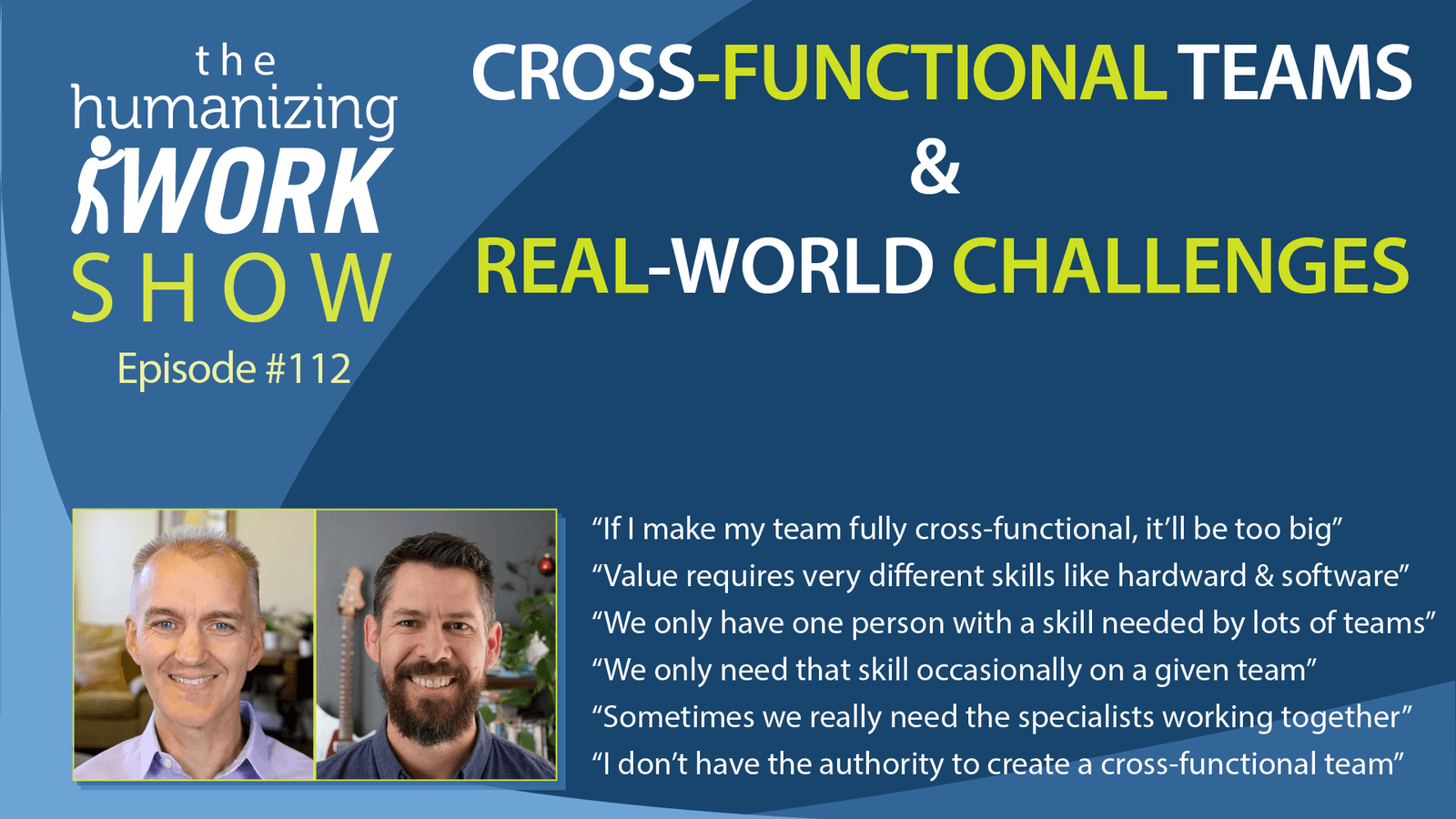
Challenges of Transitioning to Cross-Functional Teams?
This tests your grasp of the friction in agile transitions. A good answer covers skill gaps requiring cross-training, new process demands like CI/CD ownership, and ambiguity over responsibilities like on-call.
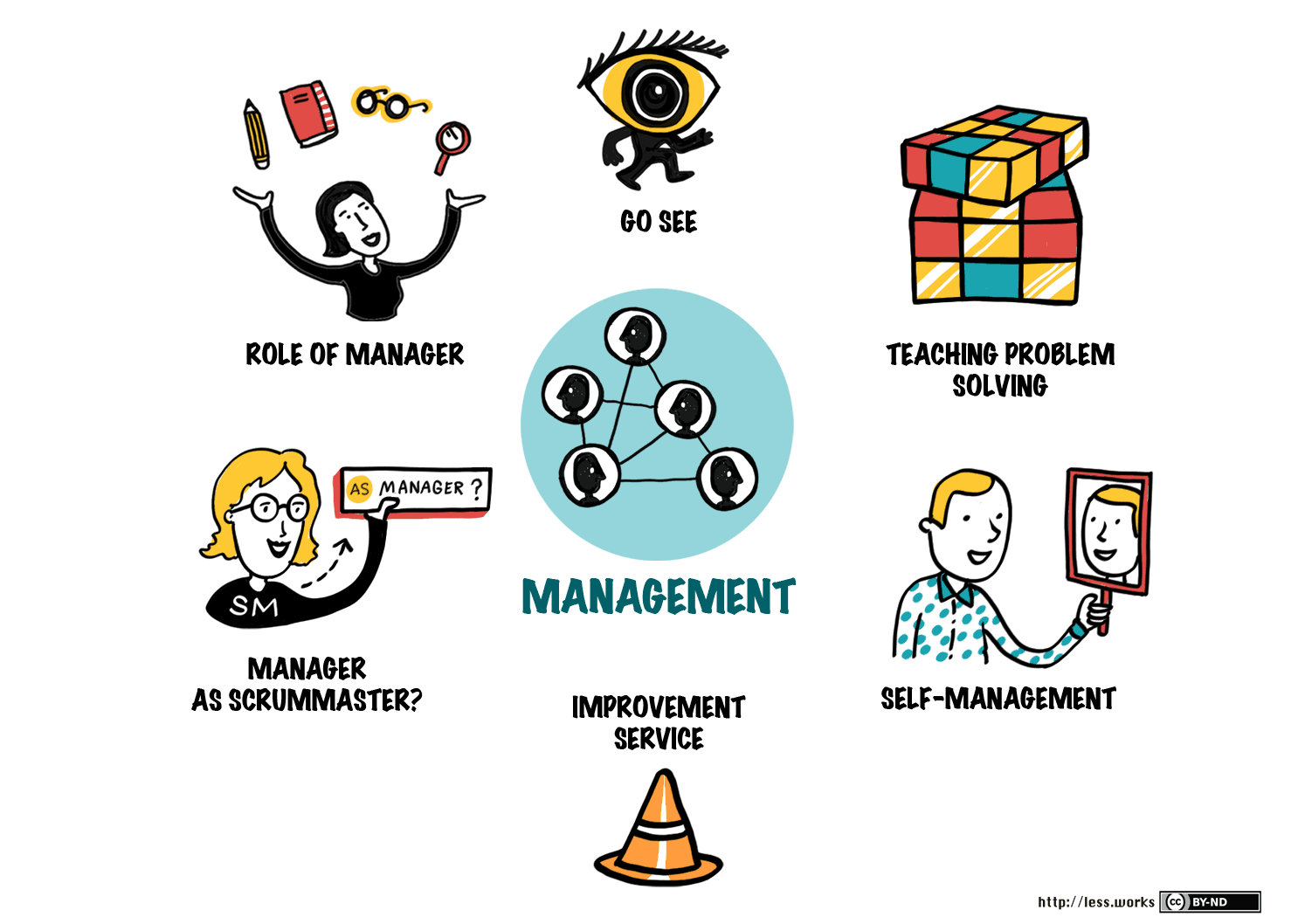
How Management's Role Evolves When Scaling Agile
This tests your grasp of servant leadership vs. command-and-control. A good answer contrasts traditional managers (directing work) with enabling managers (removing impediments, teaching problem-solving) as seen in LeSS.
What is an Architectural Runway and how do you maintain it?
Tests balancing intentional architecture with emergent design in SAFe. Define it as the tech foundation for near-term features, built via Enabler stories. You contribute by identifying and implementing these enablers.

How would you create a probabilistic forecast for a backlog?
This tests your grasp of probabilistic forecasting over single-date estimates. A good answer explains using historical throughput to run a Monte Carlo simulation, then presenting a range of dates with confidence levels (e.g., 50%, 85%).
When does a task's Cycle Time begin and end?
This tests your practical grasp of process metrics. Define Cycle Time as starting when active work begins ('In Progress') and ending when 'Done' (shippable). Contrast it with Lead Time (request to delivery). A red flag is confusing the two or being too vague.

Explain Little's Law and its application in Kanban
Tests your grasp of flow metrics. A good answer defines the formula (Lead Time = WIP / Throughput), explains the trade-offs, and gives a practical example. A red flag is ignoring the prerequisite of a stable system, which makes the formula's output…
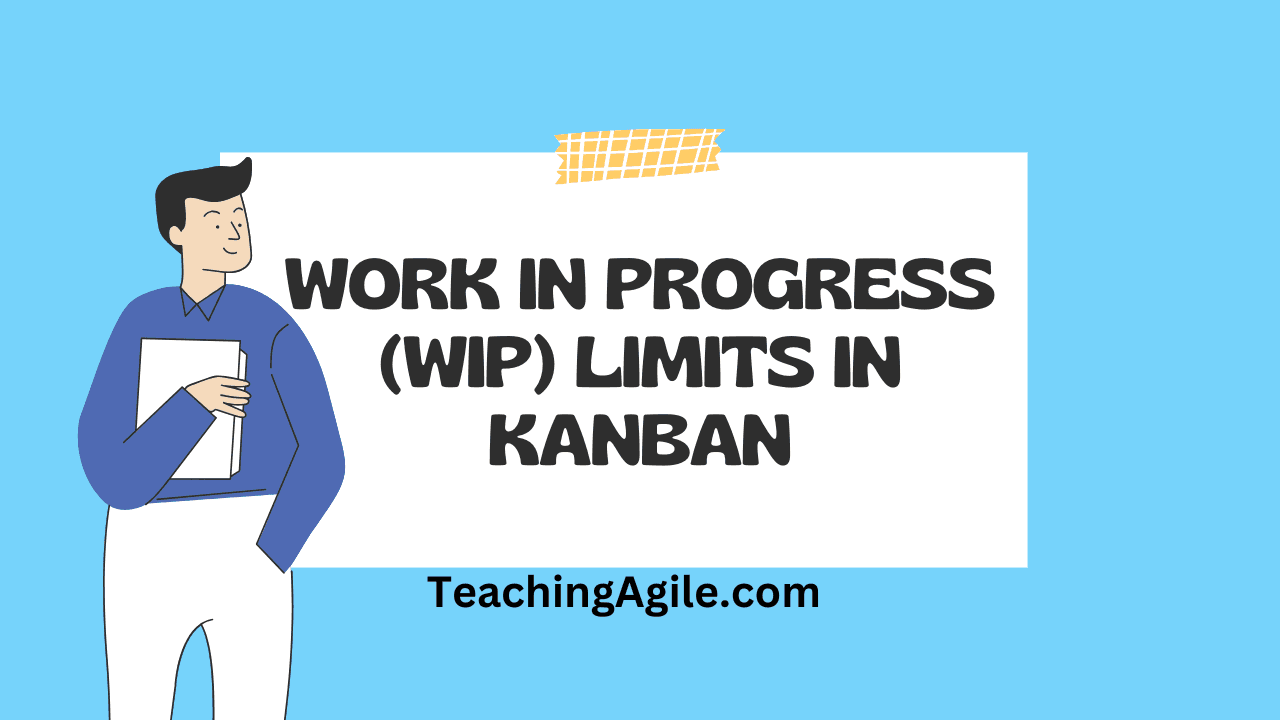
Purpose and Consequences of Kanban WIP Limits
Tests your grasp of flow efficiency. A good answer defines WIP limits as a tool to manage system flow, expose bottlenecks, and create a pull system, then links ignoring them to cascading delays. A red flag is seeing them as a tool to micromanage individuals.

How do you use a spike to de-risk a story?
This tests your ability to use agile spikes for targeted de-risking, not just vague research. A strong answer defines the specific question the spike will answer, proposes a strict time-box, and lists concrete deliverables like a decision or a better estimate.
Sprint Review vs. Sprint Retrospective: Purpose and Participants
Tests if you distinguish inspecting the product (Review) from the process (Retro). A good answer defines purpose (what vs. how), participants (stakeholders vs. team-only), and outcomes (backlog vs. process improvements).
Explain story points and why they're used over time-based estimates
Tests your grasp of relative vs. absolute estimation. Define story points as a relative measure of effort, complexity, and uncertainty. Explain they foster team consensus and provide a more stable velocity than time-based estimates.
Explain a backlog refinement meeting's purpose, participants, and outcomes
Tests understanding of a core Scrum ceremony. A good answer defines the goal (clarifying future work), names participants (Dev Team, PO), and lists outcomes (estimated stories).
How do you facilitate a heated technical disagreement between two seniors?
Tests your ability to de-escalate conflict and guide a team to a data-driven decision. Acknowledge the issue, separate the people from the problem, use a structured process, and focus on shared goals. A red flag is immediately picking a side or escalating.
Trade-offs: Product-Oriented vs. Project-Oriented Teams
This tests your understanding of how team structure and funding models impact long-term software quality. A great answer contrasts temporary, scope-funded project teams with durable, problem-funded product teams, highlighting the latter's benefits for…
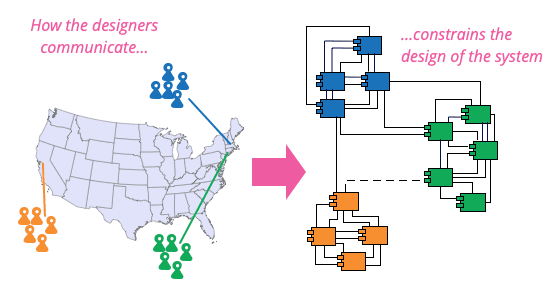
How to apply Conway's Law to design team structures?
Tests if you can use Conway's Law proactively (the 'Inverse Conway Maneuver'). Outline: define the target architecture, then align small, autonomous teams to its components. A red flag is seeing the law only as a constraint, not a tool for intentional design.
Why is tracking team velocity as a KPI dysfunctional?
Tests if you know velocity is for planning, not performance. Explain it's easily gamed and measures output, not outcome. Propose metrics focused on value delivery and process improvement like cycle time.

SAFe vs. LeSS: Planning, Dependencies, and Autonomy
This tests your grasp of how org structure affects engineering work. Contrast SAFe's top-down, prescriptive nature (central PI planning) with LeSS's bottom-up, team-centric model (direct dependency management). A red flag is reciting buzzwords without context.
Feature Teams vs. Component Teams: Pros and Cons
This tests your grasp of how team structure affects value delivery. A great answer defines feature (vertical slice, end-to-end) and component (horizontal, specialized) teams, then contrasts their trade-offs: speed vs. deep expertise.
How to manage performance reviews in self-organizing agile teams?
This tests your servant leadership mindset. Reframe "performance management" as "career development," use frequent 1-on-1s for coaching and obstacle removal, and separate compensation from feedback. Red flag: focusing on individual metrics or stack ranking.
How can developers support the Product Owner in backlog refinement?
Tests your proactivity and partnership beyond just executing tasks. A great answer covers proactive technical analysis, suggesting ways to split stories for incremental value, and helping the PO quantify impact.