Advanced everything in Agile & Scrum, page 6

How would you implement an Andon Cord for a software team?
Tests your understanding of CI, team ownership, and balancing speed with quality. Define a trigger (broken main build), an action (halt merges/deploys), and a team response (swarming to fix). Red flag: scheduling the fix or blaming an individual.

How would you identify and elevate your team's primary constraint?
This tests systems thinking over local optimization. A great answer outlines the 5 steps: identify the constraint (e.g., long queues), exploit it, subordinate other processes, elevate it, and repeat. A red flag is jumping straight to hiring or buying tools.
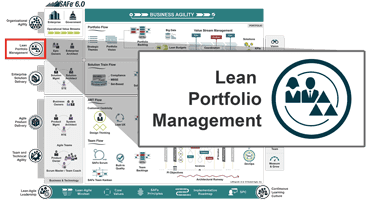
Lean Portfolio Management (LPM): Connecting Strategy to Execution
LPM connects strategy to execution by applying Lean thinking to funding and governance. It manages a portfolio of development value streams—like an e-commerce site—to ensure work aligns with business goals.

The Unfix Model: An Org Design Pattern Library
The Unfix Model treats org design like a Lego set, not a pre-built model. It's a library of patterns for companies moving beyond rigid agile frameworks to build dynamic, self-managed teams. The footgun is treating it as another framework to install wholesale.
Sociocracy 3.0: A Pattern Library for Agile Governance
Think of Sociocracy 3.0 (S3) as a modular toolkit of patterns for agile collaboration, not a rigid process. It helps organizations adapt incrementally without a massive overhaul. The main footgun is adopting patterns without understanding the core principles.
Holacracy: An Operating System for Your Organization
Holacracy replaces a management hierarchy with a formal constitution, vesting authority in roles, not people. It provides a structured way to scale self-management.
The Flight Levels Model: Connecting Strategy to Execution
The Flight Levels model visualizes work at three altitudes: strategic initiatives (Level 3), cross-team coordination (Level 2), and team execution (Level 1). It helps ensure high-level strategy translates to daily work.
Hoshin Kanri: A Company's Strategic Compass
Hoshin Kanri, or "compass management," is a strategic planning process for aligning an entire company. It ensures high-level goals are effectively communicated throughout the organization and translated into concrete action at every level.
Obeya: The Project 'War Room'
Think of an Obeya as a project's 'war room,' a space for visualizing work to make fast, informed decisions. It's used in lean and agile settings to align teams on strategy and surface problems. The footgun is treating it as a status meeting room, not.
Toyota Kata: The Practice Routine for Continuous Improvement
Think of Toyota Kata as a daily workout for your team's problem-solving muscles. It provides a structured routine to move from a current condition to a target condition via rapid, small experiments.
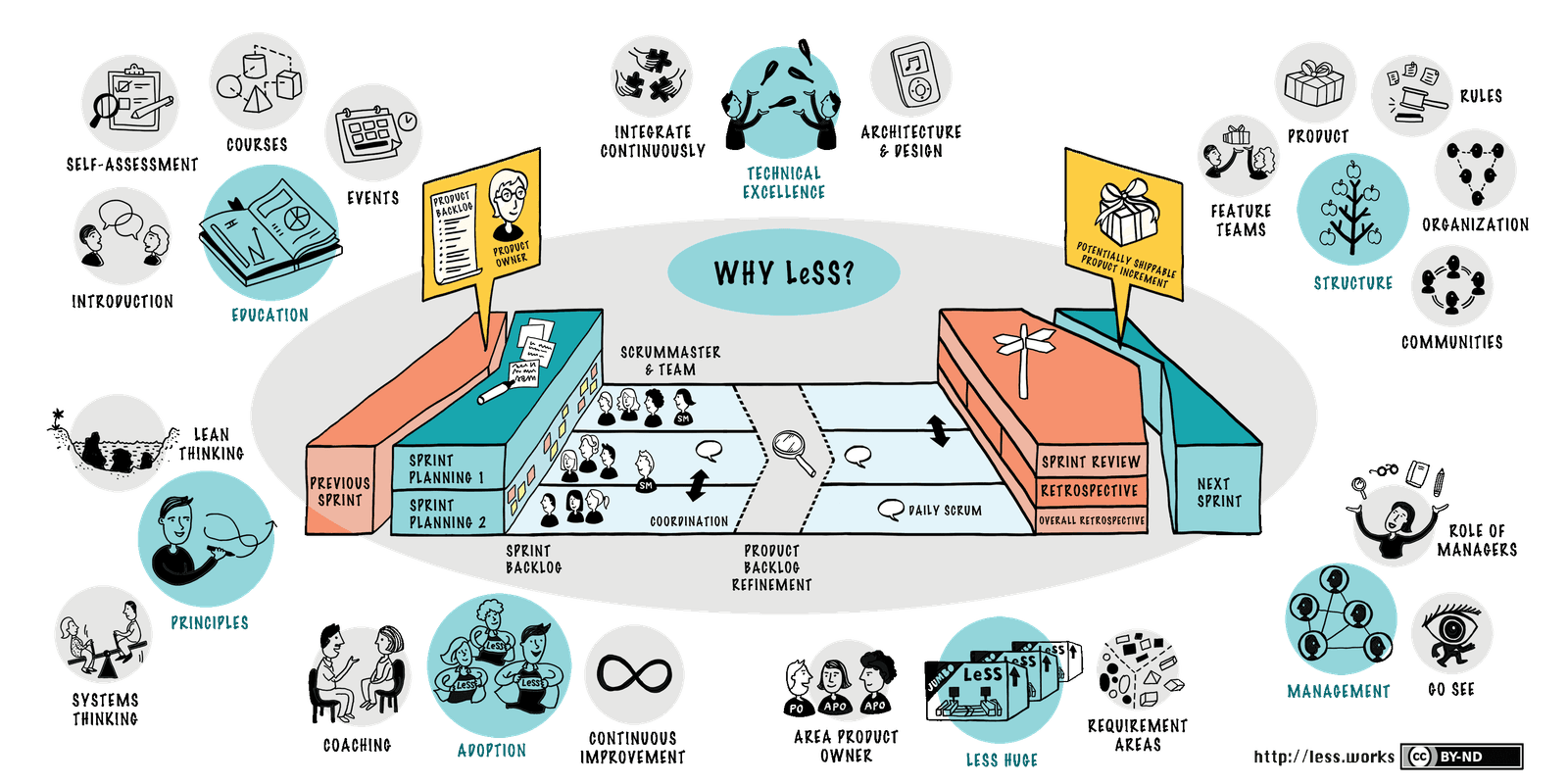
LeSS Huge: Scaling Scrum Beyond Eight Teams
LeSS Huge is a framework for applying Scrum when over eight teams work on one product, organizing them into "Requirement Areas." It’s for massive projects, like autonomous driving systems, where dozens of teams must coordinate.
Solution Train: The Train of Agile Trains
A Solution Train is a 'train of trains,' coordinating multiple Agile Release Trains (ARTs) to build one massive product. It's used for complex systems like autonomous vehicles where many teams must align.
Flow Debt: The Hidden Cost of Workflow Inefficiency
Flow Debt is the invisible cost of process bottlenecks that slow down delivery. It shows up as work waiting for handoffs, reviews, or decisions. The footgun is blaming individuals for system-level delays instead of optimizing the workflow itself.
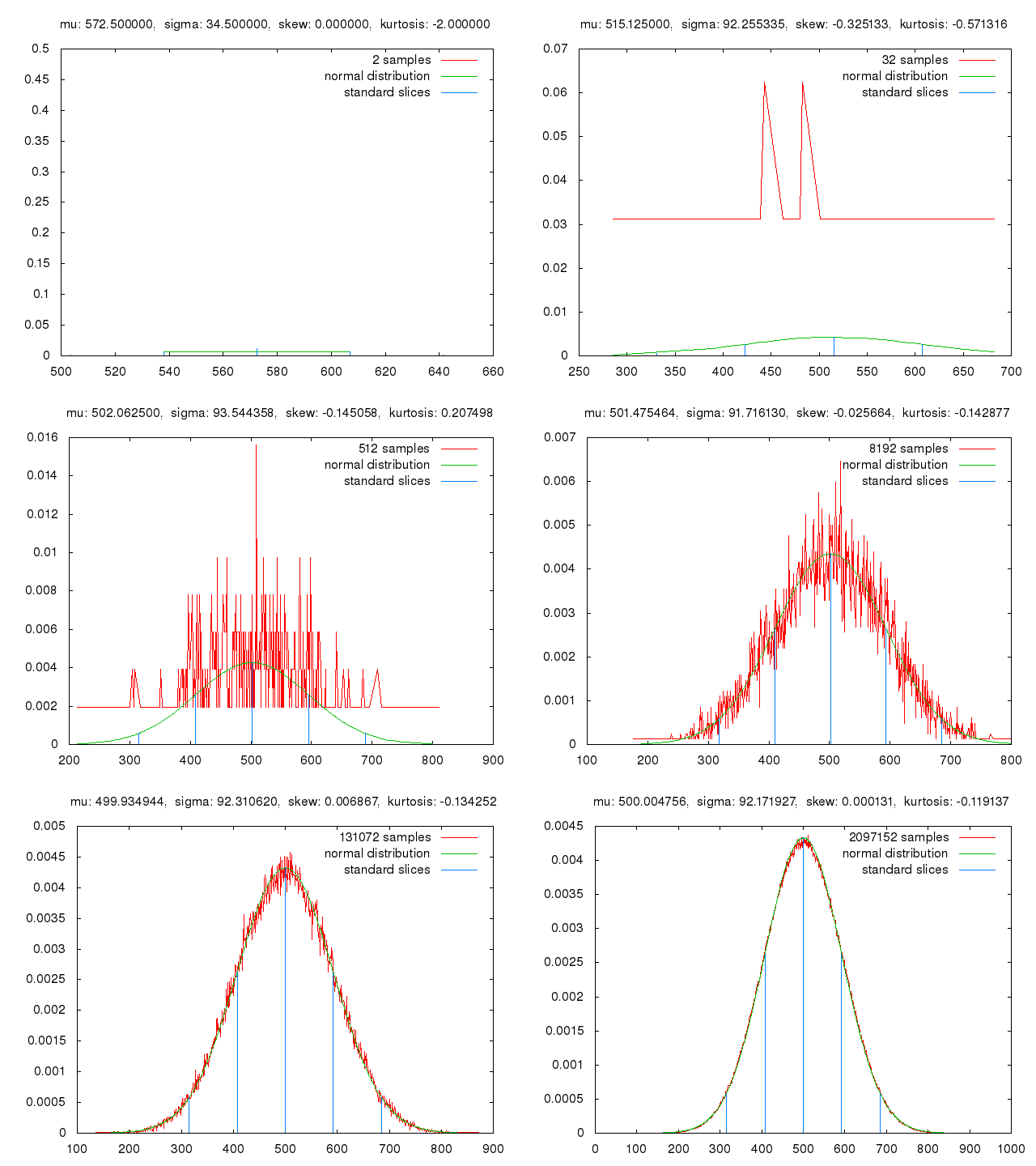
Monte Carlo Forecasting: Probabilities, Not Promises
Monte Carlo forecasting trades a single due date for a set of probabilities. By running thousands of random simulations based on past performance, it generates a range of likely completion dates, not a single guess.
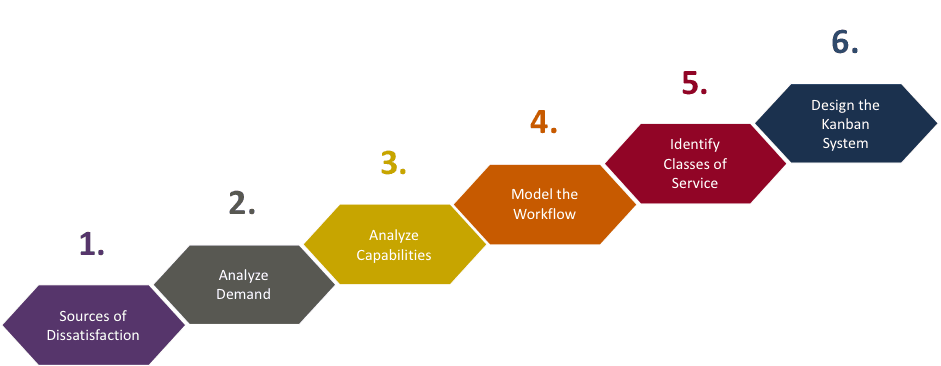
STATIK: Designing a Kanban System from First Principles
STATIK is a diagnostic recipe for designing a Kanban system tailored to your team's actual work, not just copying a template. Use it when starting a new implementation or when an existing process is stuck. The footgun is skipping the analysis.
Little's Law: Why Adding More Work Slows You Down
Little's Law shows that average task completion time is proportional to the work in progress (WIP). For a stable team, Cycle Time = WIP / Throughput. It's used in Kanban to predict delivery times. The footgun is adding more WIP to go faster; this always.
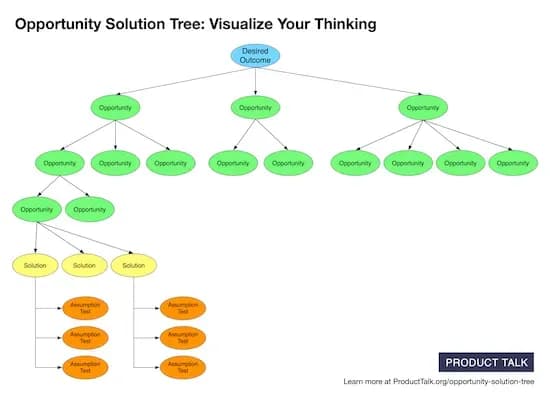
The Opportunity Solution Tree: Connecting Outcomes to Solutions
An Opportunity Solution Tree is a visual map connecting a business goal to the customer problems you could solve to achieve it. Product teams use it to explore paths to an outcome, ensuring features address real user needs.
Product-Market Fit: Why Market Trumps Team and Product
Product-market fit is when a great market pulls a viable product out of a startup, not when a great product creates a market. You'll know you have it when customers are beating down your door.

Pretotyping: Build The Right It, Not Just It Right
Pretotyping tests if anyone wants your product before you build it, ensuring you build 'The Right It.' Use it to validate market demand with minimal resources, gathering real data. The footgun is confusing it with prototyping, which tests implementation.

Dual-Track Agile: Discovery Before Delivery
Dual-Track Agile runs two parallel streams: a Discovery track to quickly validate ideas and a Delivery track to build releasable software. It prevents waste by testing concepts with cheap prototypes before writing code.
We are hiring for this. Every open role lists the topics its interview covers, so you can prepare for the real thing rather than guessing.
See open roles