Concepts in AI & ML, page 12
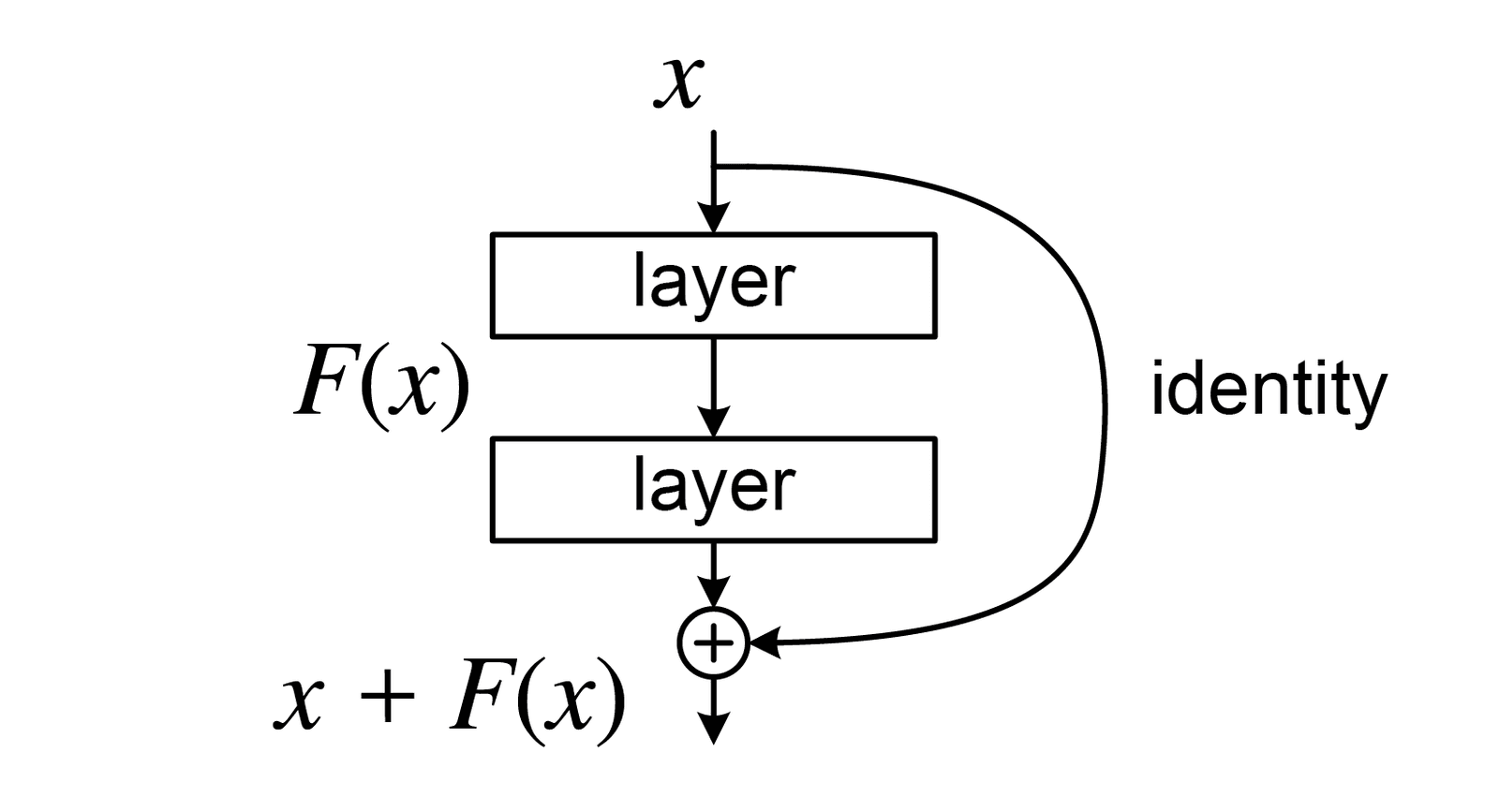
Residual Networks (ResNets): Go Deeper, Not Worse
ResNets let you train extremely deep networks by learning what to *change*, not the entire output. They use 'skip connections' to bypass layers, which helps solve accuracy degradation in deep vision models. The footgun is thinking deeper is always better.
GoogLeNet's Inception Module: Wider, Not Just Deeper
Instead of choosing one filter size, GoogLeNet's Inception module runs 1x1, 3x3, and 5x5 convolutions in parallel. This lets the network capture features at multiple scales at once. The footgun is forgetting the crucial 1x1 'bottleneck' convolutions.
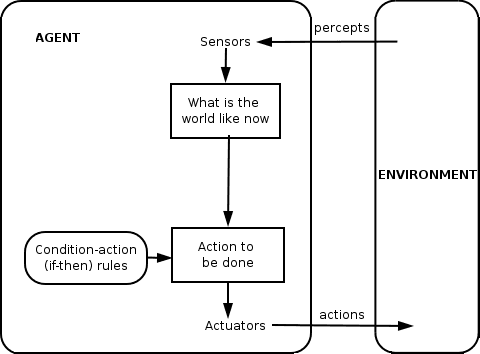
Multi-Agent Systems: A Team of AIs, Not a Monolith
Instead of one giant AI, a Multi-Agent System is a team of specialized AIs that collaborate on a complex problem. This appears in LLM-powered coding assistants and complex simulations.

Transfer Learning: Don't Train Vision Models from Scratch
Don't train a vision model from scratch. Transfer learning reuses a model trained on a huge dataset (like ImageNet) as a starting point for your specific task. This lets you achieve high accuracy on new image types with much less data and compute.

Shadow Deployment: Test Models on Real Traffic
Shadow deployment runs a new model on real traffic without serving its predictions, letting you catch data drift before users are affected. It is the safest production validation method, but teams often forget to monitor its latency and resource costs.

Hierarchical AI Agents: The Org Chart for AI
Think of a corporate org chart for AI. A top-level agent breaks a big goal into smaller tasks and delegates them to specialized, lower-level agents. This is used for complex problems like automating software development. The main risk is coordination overhead.
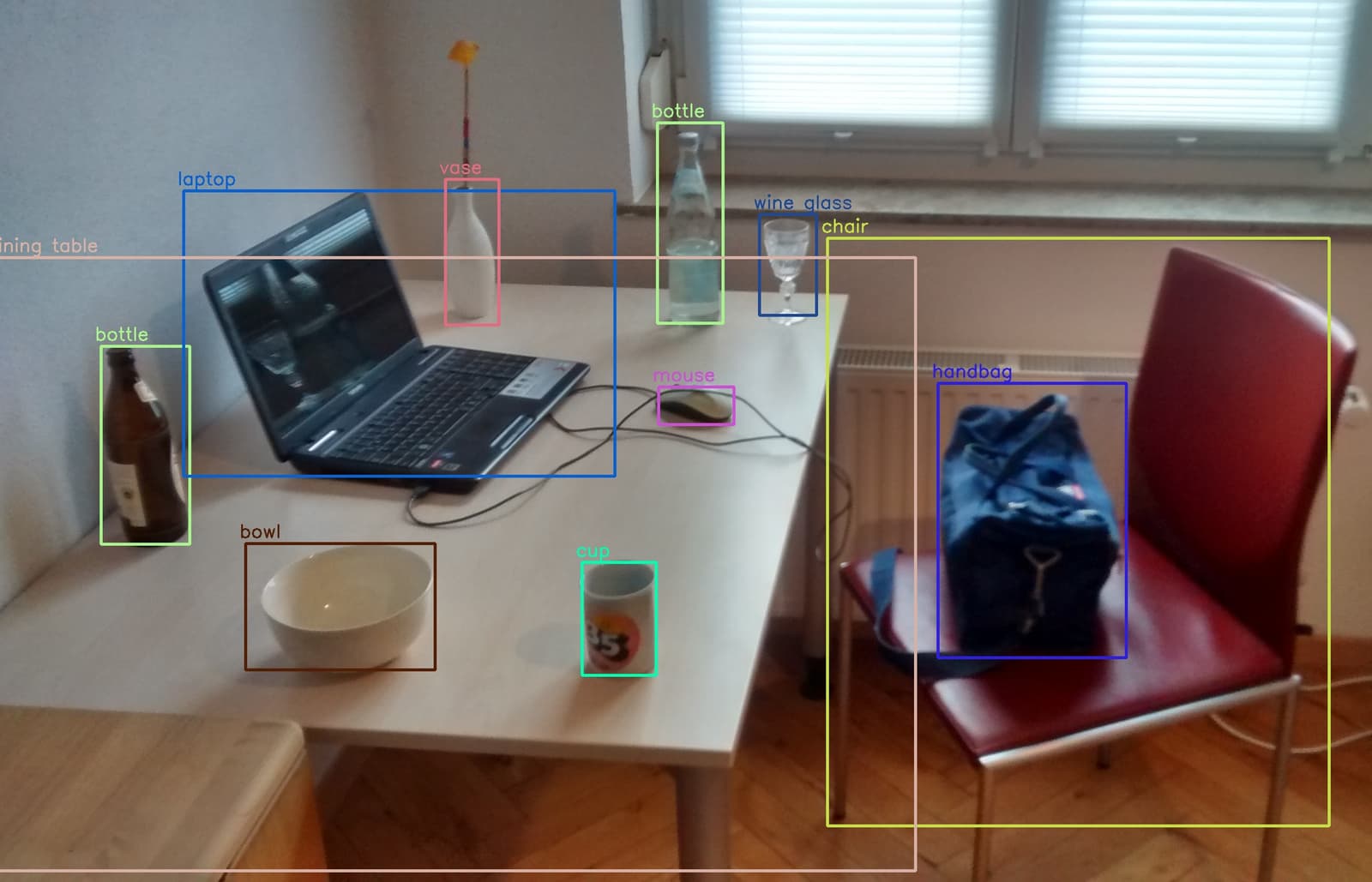
Localization vs. Detection: One Box or Many?
Object localization draws one box around an image's main object. Object detection finds and boxes *every* instance of a class, like all pedestrians. Use localization for single-subject tasks, detection for finding everything.
Automating MLOps with GitHub Actions
Treat your ML workflow like any other CI/CD pipeline. GitHub Actions automates MLOps tasks—like training, testing, and deployment—triggered by events in your repo. Use it to run validation on PRs or deploy models on merge.
Generative Inpainting: Filling in the Blanks with AI
Generative inpainting is like Photoshop's 'Content-Aware Fill' on steroids. It uses AI to reconstruct missing or unwanted parts of an image, perfect for removing objects or repairing old photos.

Intersection over Union (IoU): How Good is Your Bounding Box?
Intersection over Union (IoU) scores how well a predicted box matches the real one by dividing their overlap area by their total area. It's vital for object detection in self-driving cars and medical imaging.
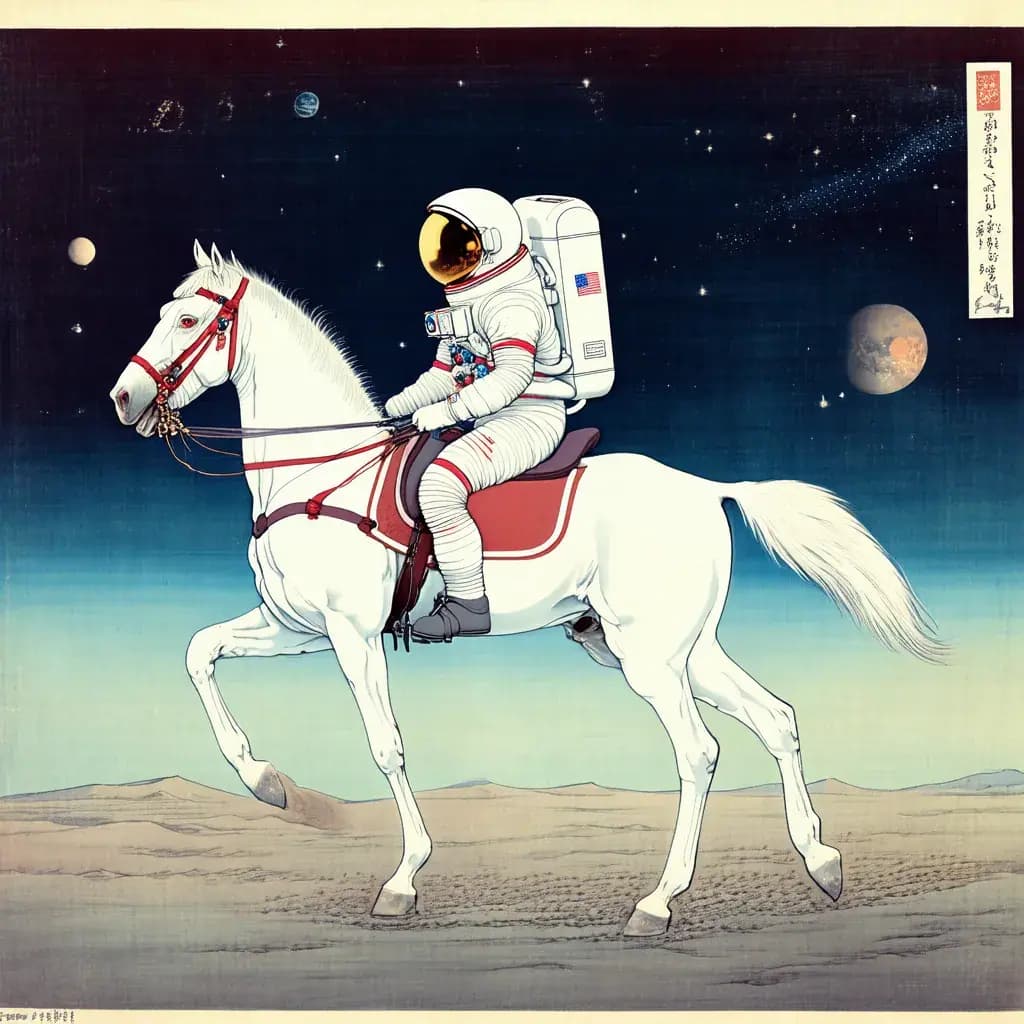
Text-to-Image Synthesis: From Prompt to Picture
Text-to-image models translate words into pixels by learning statistical links between text and images. They power creative tools like DALL-E but don't truly understand prompts, leading to errors in logic like counting or spatial arrangement.
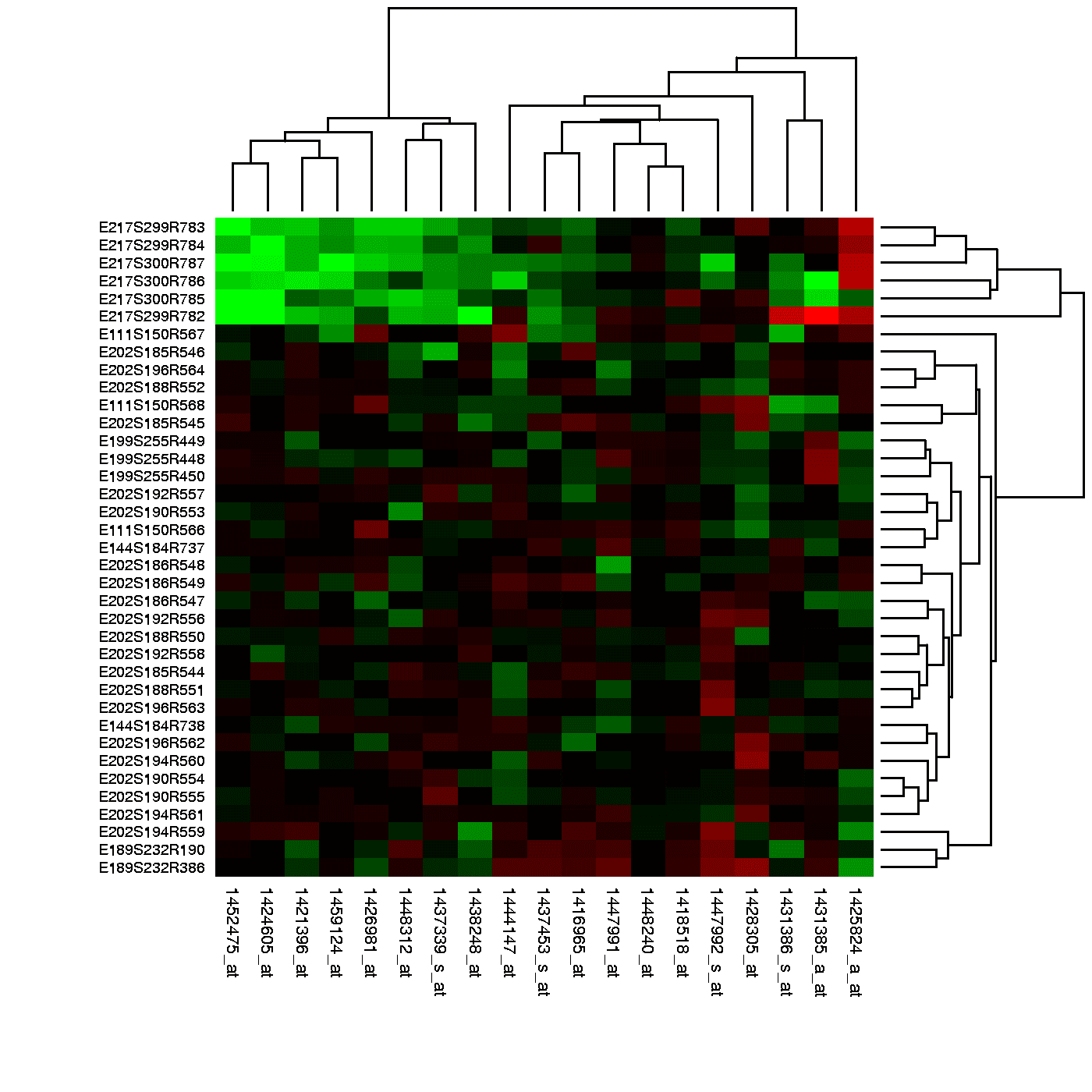
Heatmap: Visualizing Magnitude with Color
A heatmap is like coloring in a spreadsheet, using color to show the magnitude of values in a 2D grid. It's used to spot user engagement hotspots on a webpage, analyze financial data, or visualize gene expression.
Mode Collapse: When Your AI Gets Stuck in a Rut
Mode collapse is when a generative AI finds a “cheat” and produces the same few outputs over and over. This is a classic failure in GANs where the generator stops learning the full data distribution.
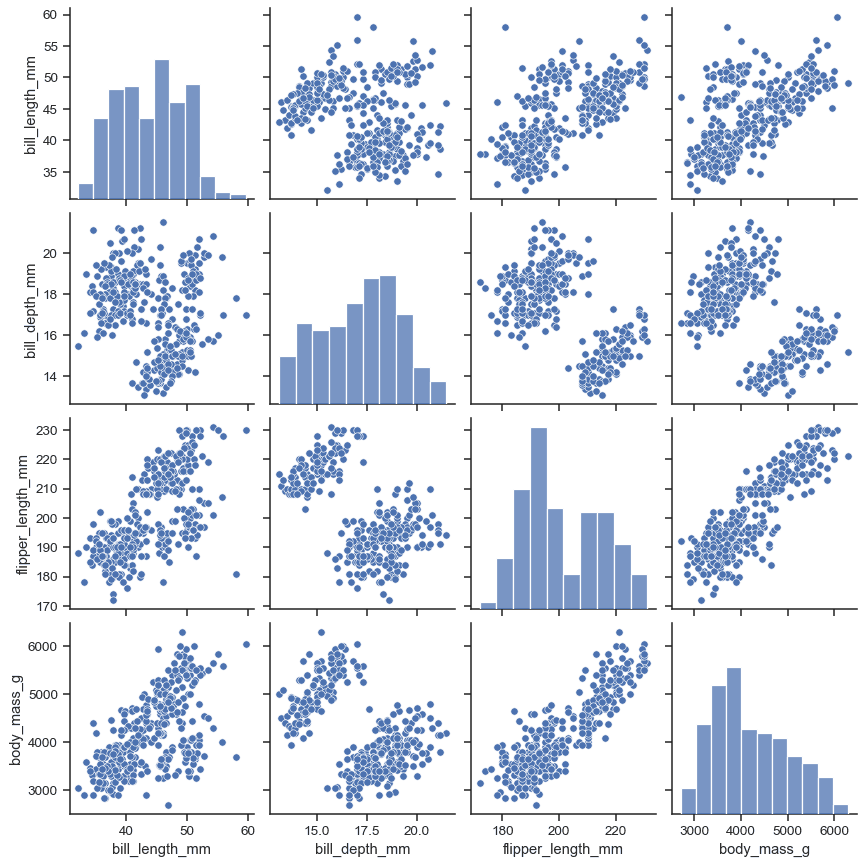
Pair Plot: See All Your Data's Relationships at Once
A pair plot is a matrix of charts showing every pairwise relationship in a dataset. Use it in exploratory data analysis to spot correlations and distributions at a glance. The footgun: it becomes unreadably large and slow with more than ~10 variables.
Region Proposal Network (RPN): The 'Where to Look' Engine
An RPN is an 'attention' mechanism for object detection, telling the model where to look. It replaces slow, external proposal methods in systems like Faster R-CNN for autonomous driving.
GitOps for MLOps: Your ML System as Code
GitOps for MLOps treats your entire machine learning pipeline—data, code, and models—as declarative configuration in Git. It automates ML workflows, ensuring reproducibility by making every change a reviewable commit.
Fréchet Inception Distance (FID): Grading AI Art
FID grades AI-generated images by comparing their statistical "vibe" to real ones. It uses a pre-trained network (InceptionV3) to see if a batch of generated images has similar feature distributions to a real dataset. A lower score is better.
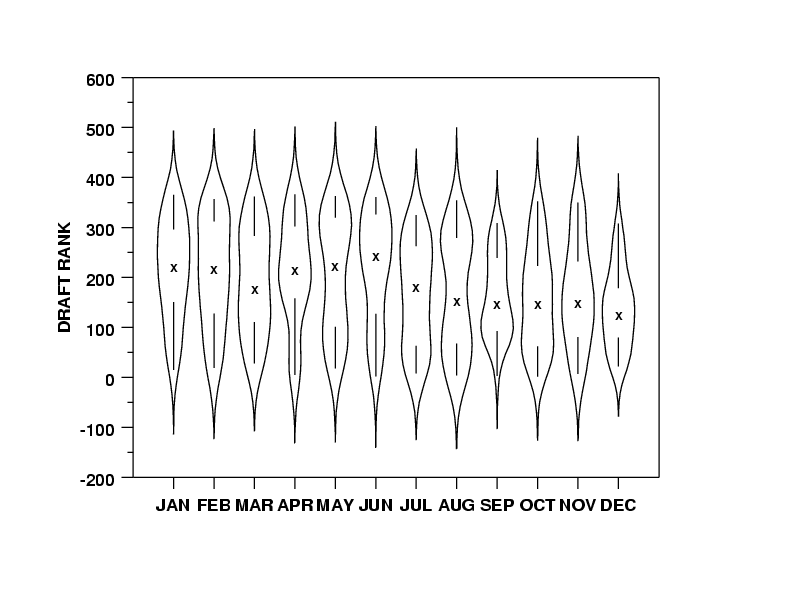
Violin Plots: Box Plots with a Sense of Shape
A violin plot is a box plot that also shows the data's shape. It reveals multi-modal distributions or skews that a simple box plot would hide. Use it to compare distributions across categories, like server response times.
YOLO: Real-Time Object Detection in a Single Pass
YOLO treats object detection as a single regression problem, looking at an image once to predict all bounding boxes and classes. This makes it extremely fast, perfect for real-time video analysis.

Online Inference: Predictions on Demand
Online inference is a vending machine for predictions: you make one request and get one result back immediately. It powers real-time features like fraud detection or content moderation.
We are hiring for this. Every open role lists the topics its interview covers, so you can prepare for the real thing rather than guessing.
See open roles