Advanced concepts in Design & UX, page 2
The Kano Model: Not All Features Are Created Equal
The Kano model sorts features by how they impact user satisfaction. Use it to prioritize a product roadmap, deciding between fixing basic needs, improving core features, or adding delightful surprises.
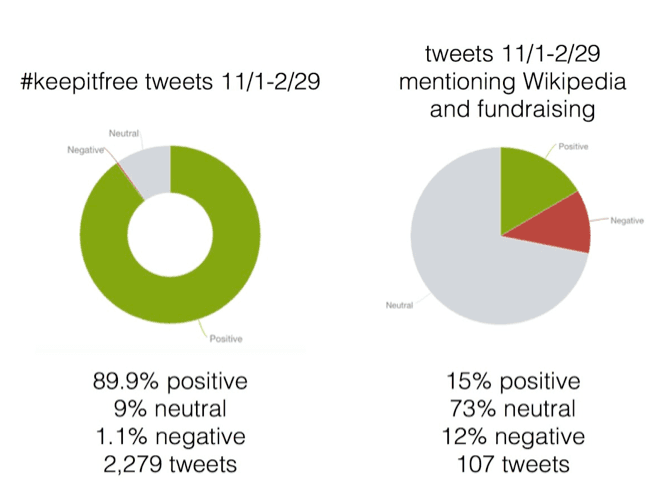
Sentiment Analysis: Reading the Room at Scale
Sentiment analysis is a digital mood ring for text, automatically classifying content as positive, negative, or neutral. It's used to sift through customer reviews and social media to gauge opinion, but often fails on sarcasm or complex context.
Longitudinal Study: Watching Change Over Time
Think of it as a movie, not a snapshot. A longitudinal study tracks the same users over time to see how behavior evolves, revealing cause and effect. It's used to measure long-term feature adoption or churn.
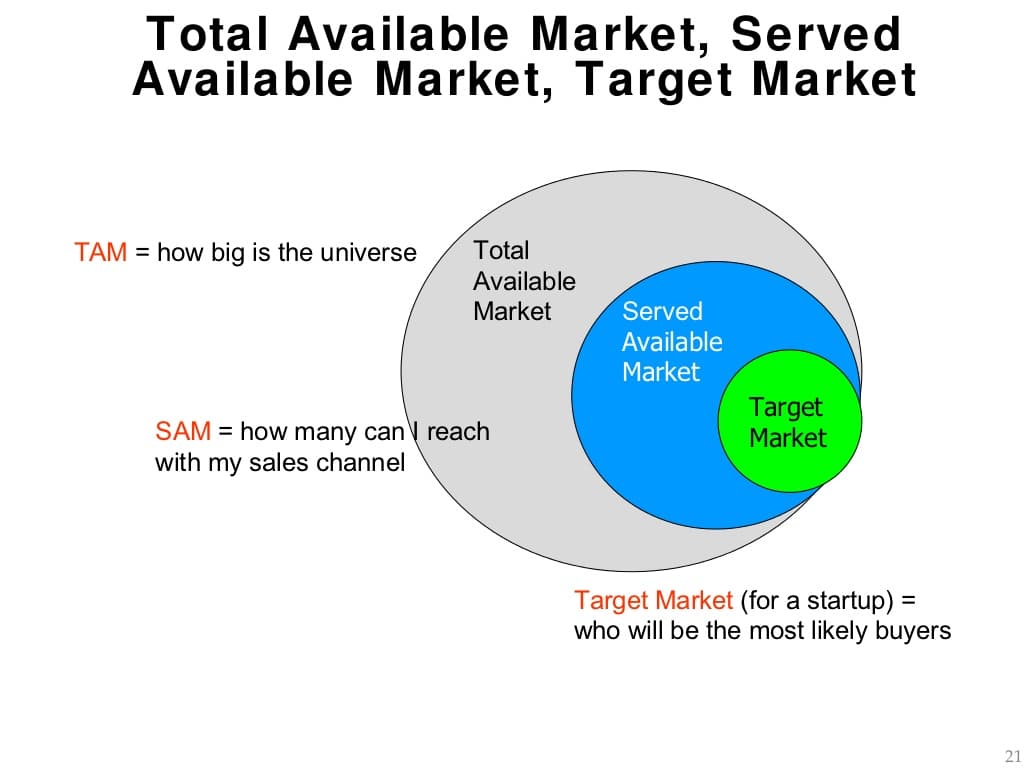
Total Addressable Market (TAM): Sizing Your Revenue Ceiling
Total Addressable Market (TAM) is the maximum revenue possible if you captured 100% of the market for your product. It's used to size a market's ultimate potential for investors.

UX Roadmap: Strategic Alignment for Research Teams
A UX roadmap trades plans for alignment, mapping work across Now, Next, and Future horizons so teams share one North Star. Use it to justify research spend and prevent silos. The footgun is treating it as a static handoff instead of a living ritual.
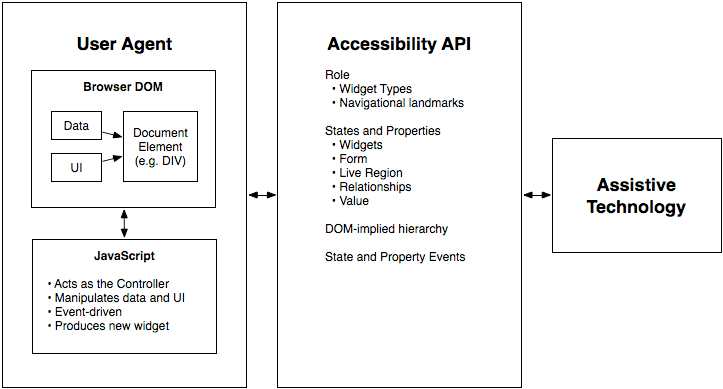
WAI-ARIA: A Script for Custom UI Accessibility
WAI-ARIA gives custom UI a voice for assistive tech. It's the script telling a screen reader what a <div> acting as a button is and if it's "pressed." Use it for custom widgets when native HTML can't.
Tree Shaking: Shipping Only the Code You Use
Tree shaking is a build-time optimization that eliminates unused code. For component libraries, it means importing a Button won't bundle the unused DataGrid. The main footgun is side effects: code that modifies global state can't be safely removed.
ESM vs. CJS: Navigating JavaScript's Module Divide
JavaScript has two module systems: modern, static ESM (import) and legacy, dynamic CJS (require). When publishing a library, you must support both. The footgun is shipping only ESM, as it breaks downstream projects that still use require().
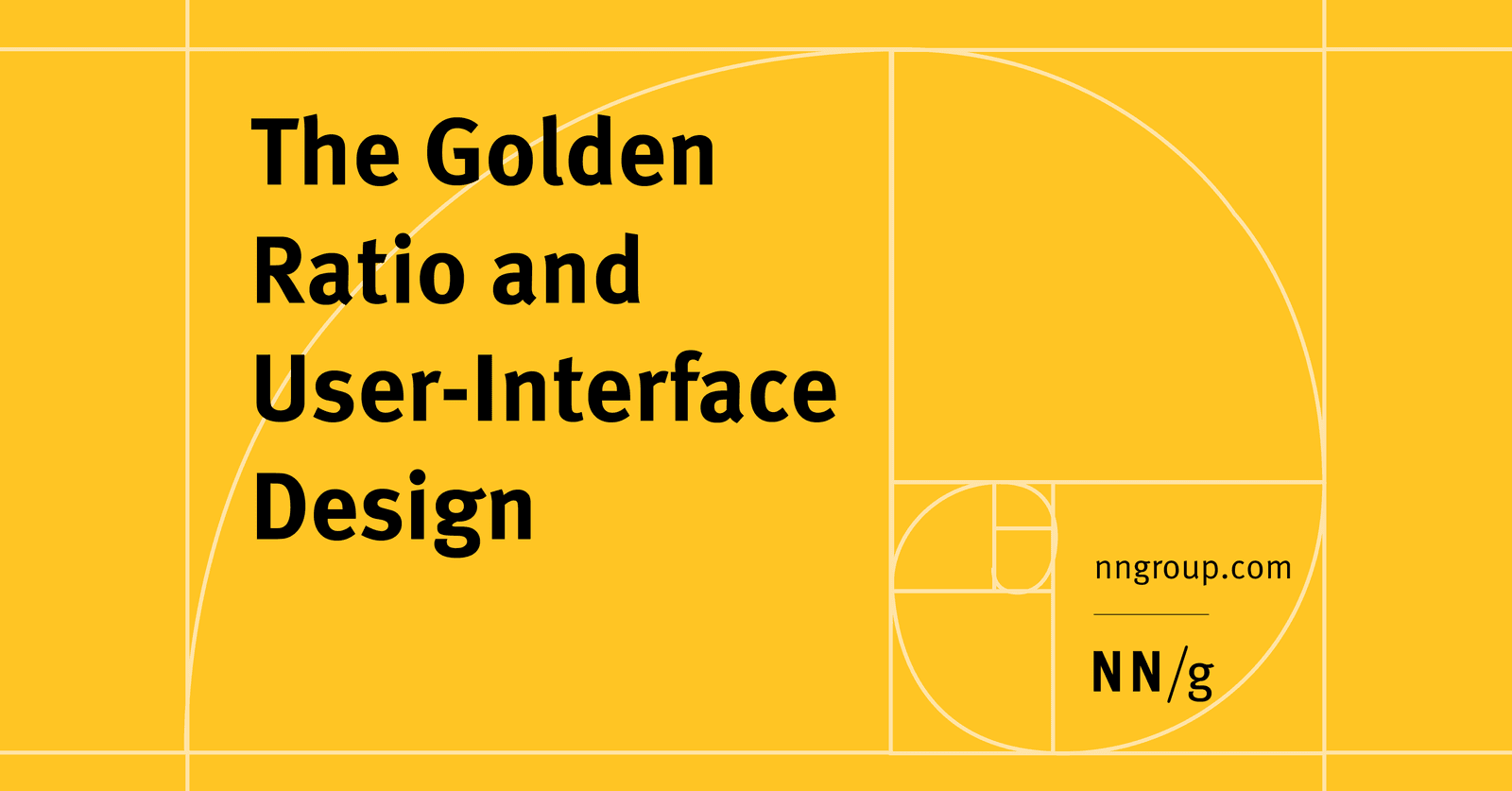
The Golden Ratio in UI Design
The Golden Ratio (1.618) is a proportion from art and nature used to create visually harmonious UI. Apply it to set layout dimensions or create a typographic scale (e.g., a 26px header for 16px body text).

Baseline Grid: Aligning Text for Vertical Rhythm
A baseline grid is like ruled notebook paper for your UI, forcing all text to sit on common horizontal lines for clean vertical rhythm. Use it in text-heavy layouts to improve readability.
The Messaging Matrix: Your Company's Rosetta Stone
A Messaging Matrix is your company's Rosetta Stone for communication, ensuring everyone tells the same core story. It maps benefits and proof points to audience segments, aligning sales, marketing, and product. The footgun is treating it as a one-off document.
Verbal Brand Identity: How a Brand Speaks
Verbal identity is how a brand speaks, not just what it says. It's the system of names, taglines, and consistent tone of voice that shapes a brand's personality. The footgun is mistaking it for just slogans, ignoring the deeper linguistic framework.
Figma REST API: Access Design Files as Structured Data
The Figma REST API treats your design files as structured JSON data, not just images. Use it to automate workflows like exporting assets, syncing design tokens, or posting comments. The main footgun is using the wrong base URL for Government vs.
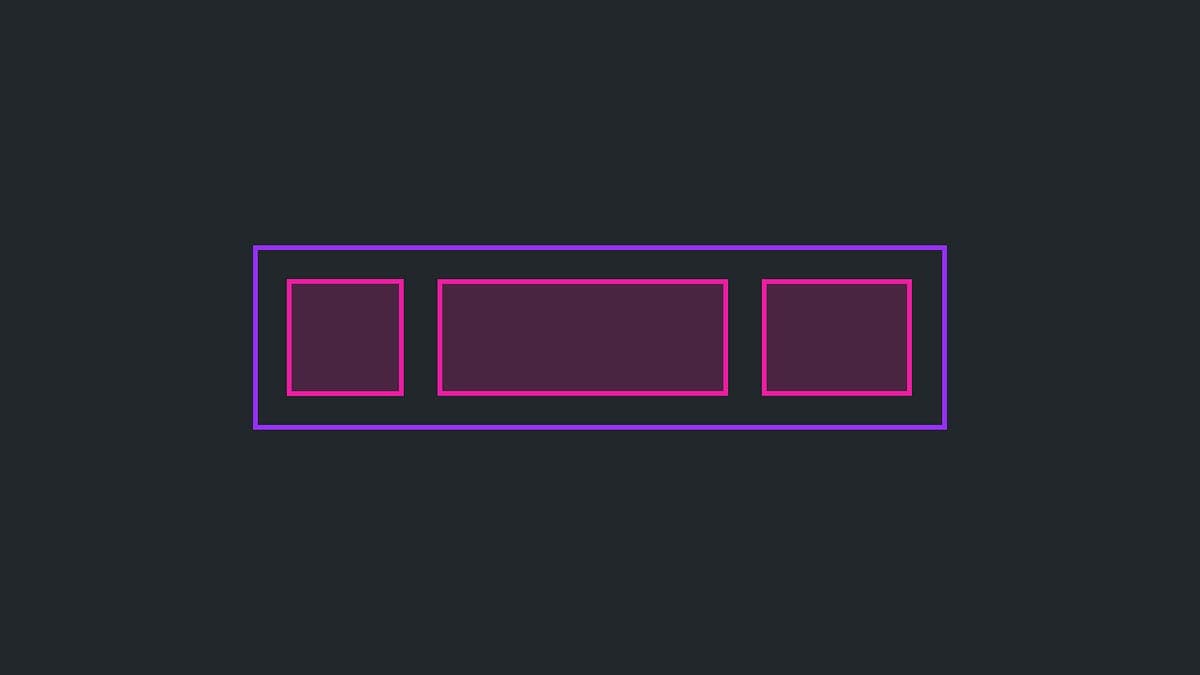
The Slot Pattern: Making UI Components Composable
The Slot Pattern makes components flexible by defining areas for custom content, like a picture frame for your UI. It's used in Cards or Modals to allow varied content in a consistent frame. The footgun is that too much flexibility can break consistency.
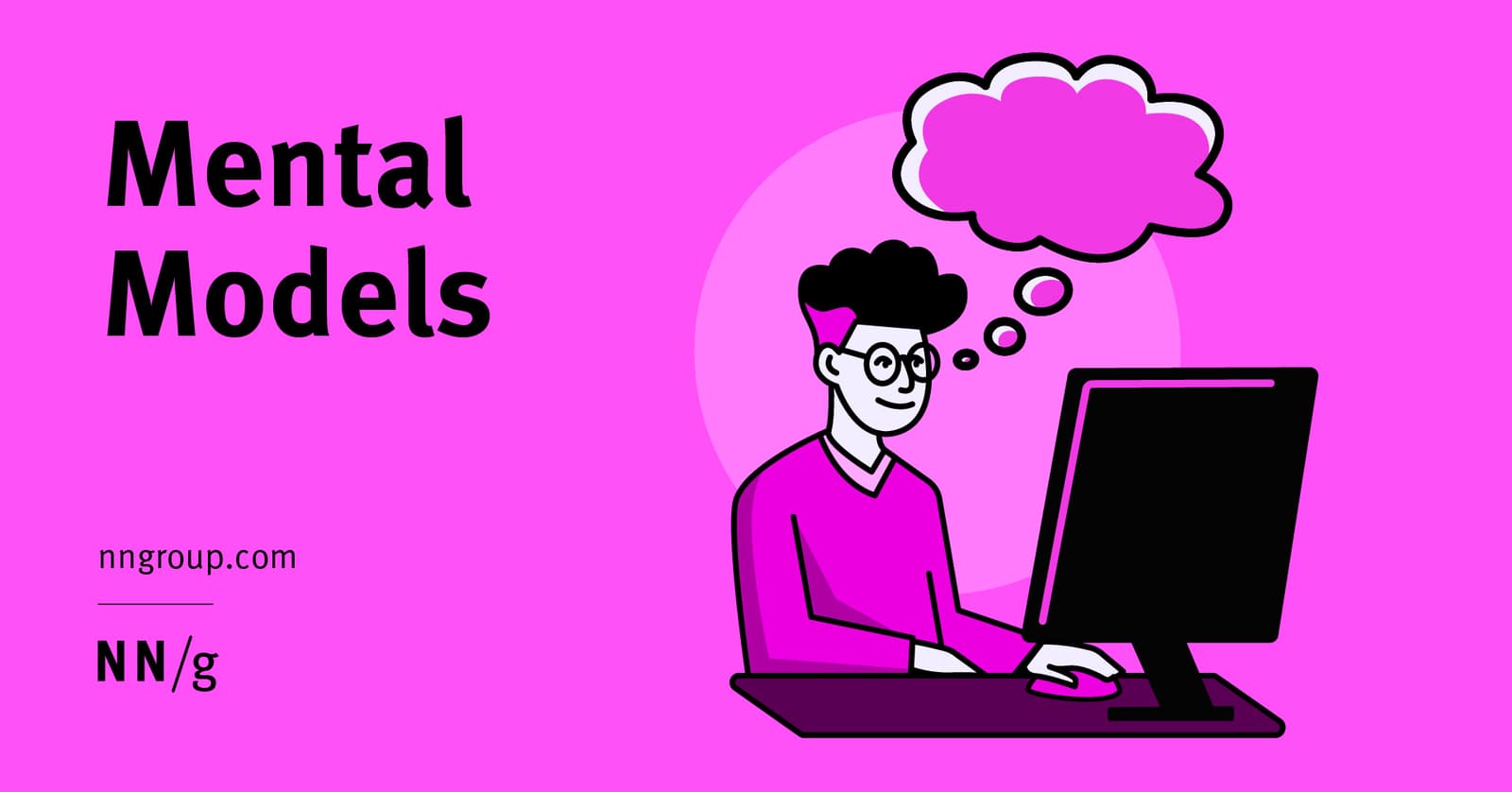
User Mental Models: What Users Believe About Your System
A user's mental model is their internal story of how your system works, based on belief, not facts. It shapes every interaction, from predicting button actions to checkout flows.
Cultural Probes: Inspire, Don't Analyze
Cultural probes are like a creative care package for users, designed to capture inspirational moments, not to collect analyzable data. They help designers understand a user's world and values early in a project.

Pitching Design Systems with Business Value
Design systems fail without people, not tools. Pitch them by asking stakeholders if they like saving time and money, then frame consistency, speed, and shared vocabulary as business value instead of design ideology.

Automated Prop Docs with Storybook Autodocs
Treat your component stories as the single source of truth for documentation. Storybook's autodocs reads your code to generate interactive docs automatically. It's used in design systems to prevent stale docs. The footgun: sparse types yield sparse docs.
Content Lifecycle Management: From Idea to Archive
Think of content not as a one-off post, but as an asset with a lifecycle from creation to retirement. This structured approach helps manage large sites, ensuring content stays fresh.

Desirability Testing: Quantifying User Feelings
Desirability testing quantifies user feelings with a controlled vocabulary, asking them to pick words from a list that describe a design. It measures emotional response to visual appeal or UX, often with just a screenshot.
We are hiring for this. Every open role lists the topics its interview covers, so you can prepare for the real thing rather than guessing.
See open roles