Easy everything in Growth & Experimentation, page 3
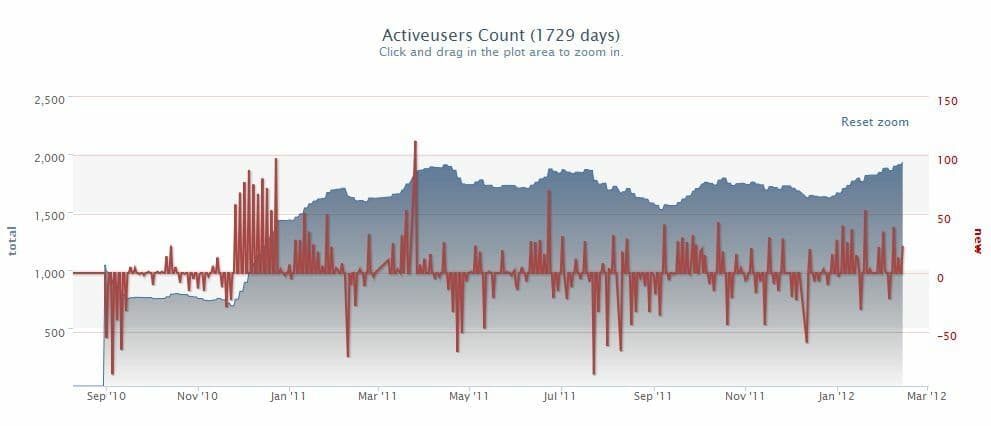
DAU/MAU Ratio: Measuring Product Stickiness
The DAU/MAU ratio measures product “stickiness” by showing what percentage of your monthly users return daily. A high ratio suggests a strong daily habit, common for social or communication apps. The footgun is judging all products by the same benchmark.

Customer Retention: Are Users Sticking Around?
Customer retention measures if users return to your product. It's often more valuable to keep an existing customer than acquire a new one. This is critical for any business relying on repeat engagement, from SaaS to e-commerce.

Welcome Email Sequence: Guide Users from Signup to Value
A welcome email sequence guides new users from sign-up to experiencing your product's core value. It's crucial for SaaS products to reduce churn by encouraging key actions. The footgun is sending just one email and hoping users figure out the rest.
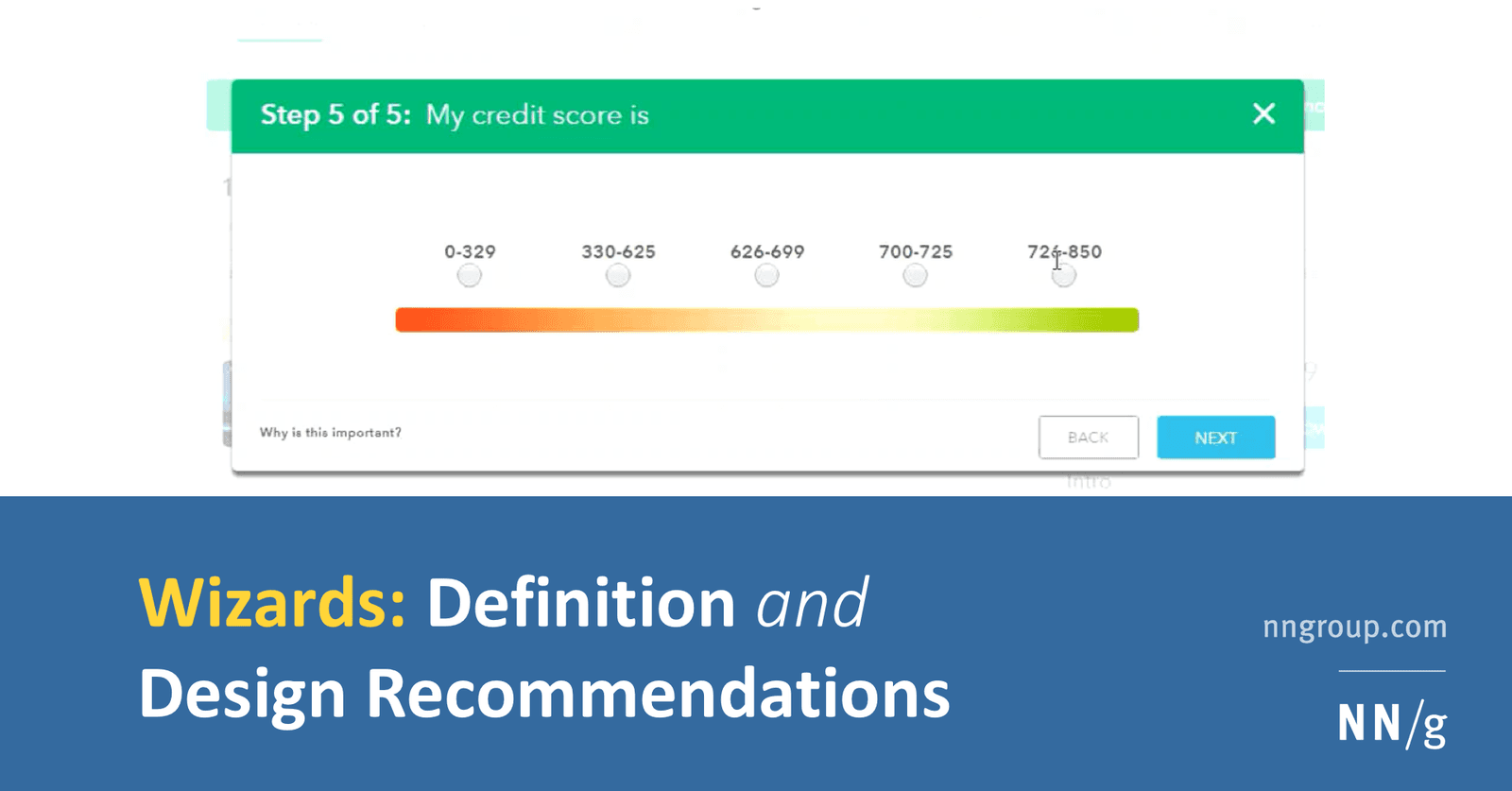
Setup Wizard: Guiding Users Through Complexity
A setup wizard turns a complex form into a simple, step-by-step conversation. It's ideal for infrequent but critical tasks like software installation, where the system determines the next best step. The footgun: A true wizard alters the user's *path*.
Onboarding Checklists: Guide Users to Their 'Aha' Moment
An onboarding checklist is a guided to-do list showing new users the key actions to find value. It bridges the gap between a first tour and independent use, increasing task completion by 20-30%.
Email Marketing: Your Direct Line to Customers
Email marketing is your owned communication channel, a direct line to customers not controlled by an algorithm. Use it to nurture leads, announce features, or drive sales. The footgun is sending generic blasts instead of segmenting for relevance.
Social Media Marketing (SMM)
Social media marketing (SMM) is a two-way conversation, not a digital billboard. It uses platforms like Instagram or TikTok to build a brand, launch products, and gather feedback directly from customers.
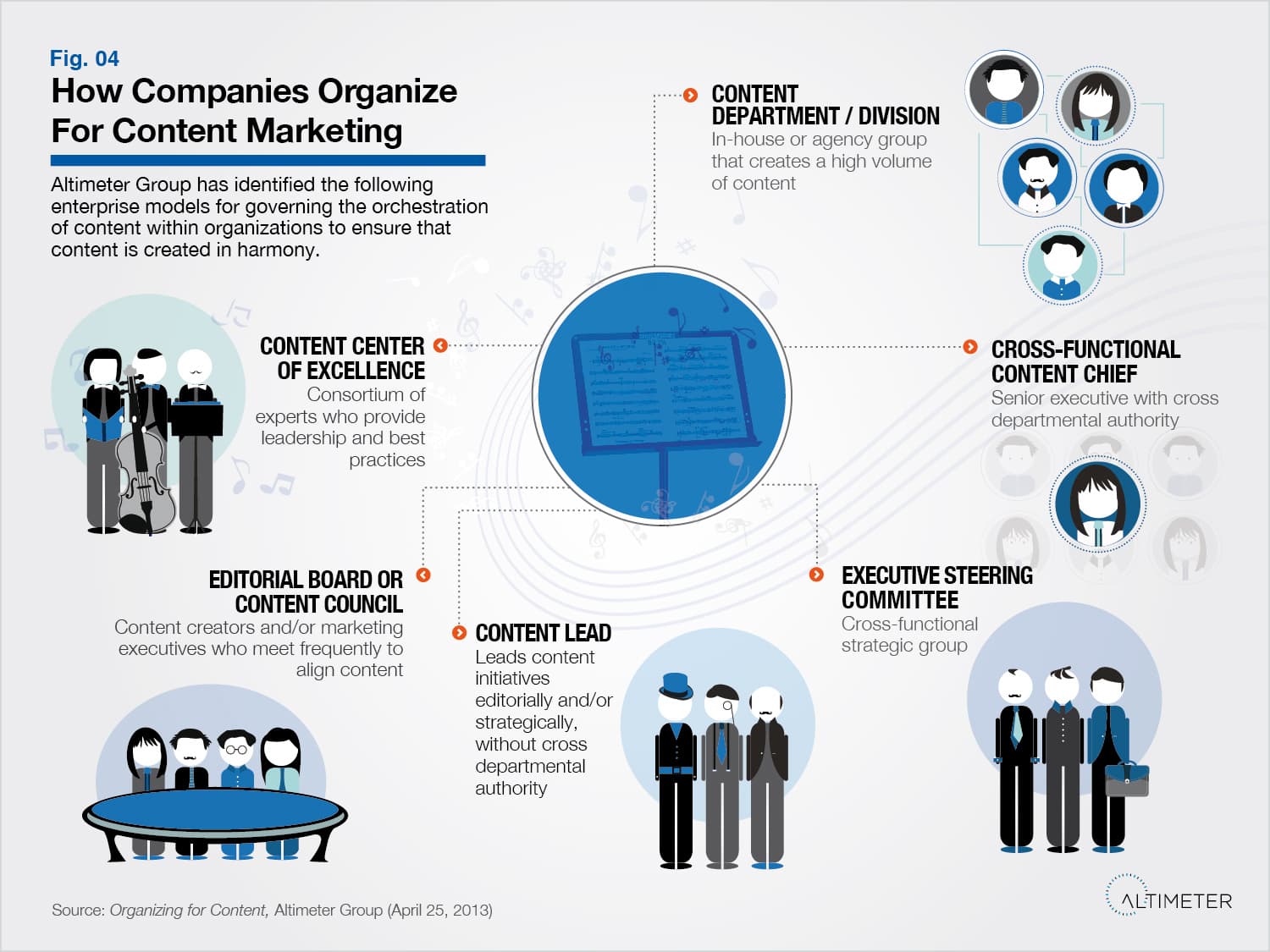
Content Marketing: Earn Trust, Not Just Clicks
Content marketing earns trust by giving away valuable information for free. It's used in company blogs or whitepapers to attract an audience by solving their problems, not just pushing a product.
Search Engine Marketing (SEM): Paying for Clicks
Search Engine Marketing (SEM) is paying to place your website at the top of search results. It drives immediate, targeted traffic for product launches or lead generation, unlike the slow build of SEO.
Search Engine Optimization (SEO): Earning, Not Buying, Traffic
SEO is the practice of making your website attractive to search engines to earn unpaid traffic, not buy it with ads. It's crucial for being discovered via Google or Bing. The biggest footgun is treating it as a one-time trick, not a continuous process of.
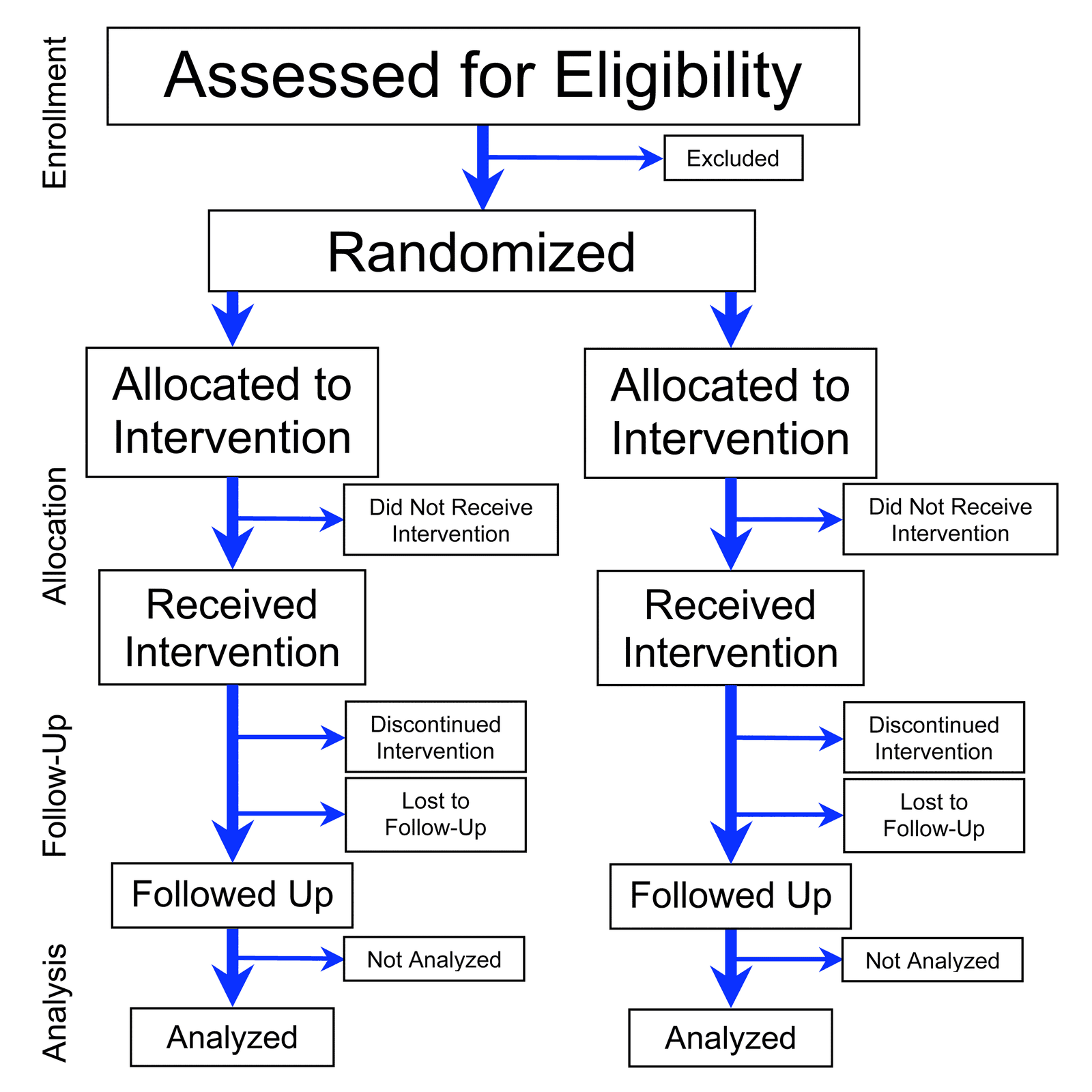
Randomization: The Key to Trustworthy Experiments
Randomization ensures experimental groups are similar before a test begins, like shuffling cards before dealing. This lets you confidently attribute differences in outcomes to your changes, whether in A/B tests or clinical trials.
Null Hypothesis: Assume No Effect Until Proven Otherwise
The null hypothesis is your default assumption: nothing changed. You run experiments to gather enough evidence to reject this default. In A/B testing, the null is that your new feature has no effect, while the alternative is that it does.
Five Whys: Find the Root Cause, Not Just the Symptom
Five Whys is a tool for digging past surface-level problems. By repeatedly asking "Why?", you trace a chain of causality back to the true root cause. It's used in post-mortems to find systemic issues, not just patch symptoms. The footgun is stopping too soon.

Hypothesis-Driven Development: Test Your Ideas Before You Build
Hypothesis-Driven Development treats product work as a series of experiments, not a to-do list. You state a testable belief ("If we build X, users will do Y") before writing code. This de-risks new features by validating ideas early.
Social Proof: People Copy People
Social proof is the tendency to copy others' actions, assuming they reflect the correct behavior. It’s why we trust a product with thousands of positive reviews or a restaurant with a long line. The footgun: the crowd can be wrong or even faked.
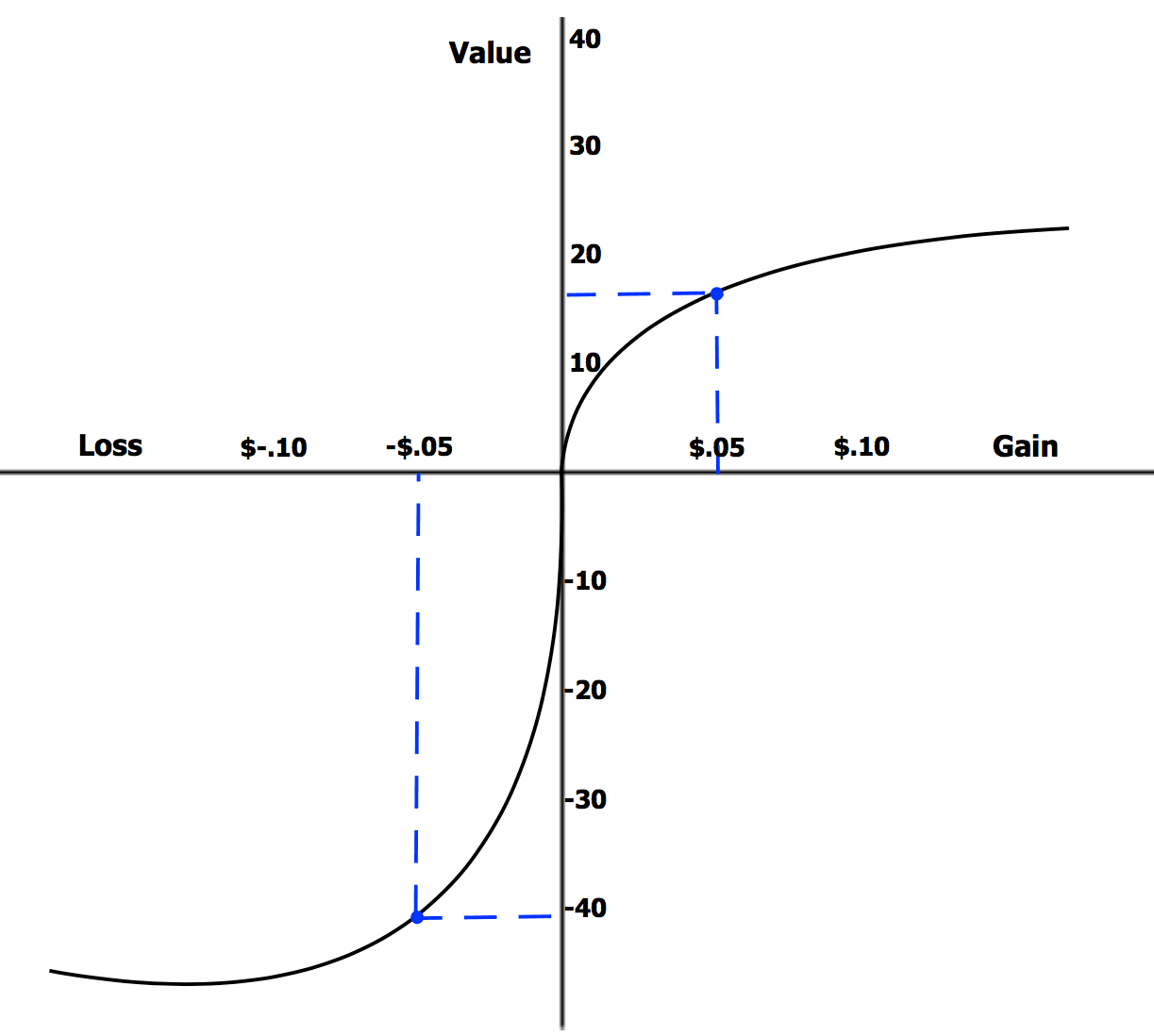
Loss Aversion: Why Losing $10 Hurts More Than Gaining $10
Loss aversion is the bias where losing something feels twice as bad as gaining the same thing feels good. It drives user behavior in free trials and pricing. Don't confuse this emotional reaction to framing with rational risk aversion.

Event-based Analytics: Tracking User Actions, Not Page Views
Event-based analytics tracks specific user actions—clicks, purchases, signups—not just page views. This model powers product analytics tools to map user journeys and measure feature adoption. The footgun is tracking everything, creating noisy, unusable data.
The Customer Lifecycle: From Prospect to Advocate
The customer lifecycle maps the journey from first contact to loyal advocate. It's used to decide when to send a welcome email (acquisition), a loyalty discount (retention), or a 'we miss you' offer (win-back). The footgun is focusing only on acquisition.
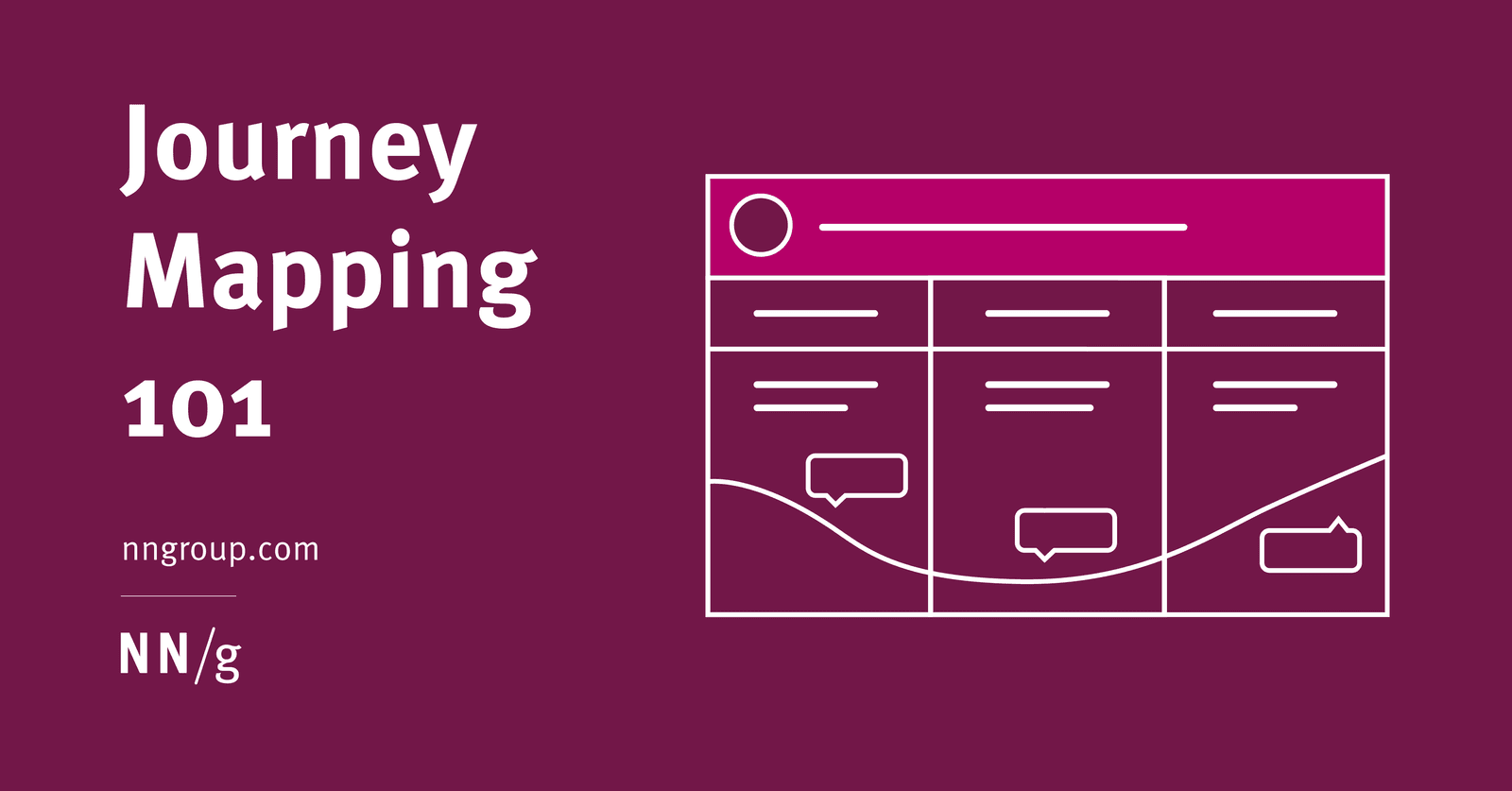
User Journey Mapping: Seeing Your Product Through a User's Eyes
A user journey map tells the story of a user achieving a goal, visualizing their actions, thoughts, and feelings from start to finish. It's essential for understanding complex, multi-channel processes.
We are hiring for this. Every open role lists the topics its interview covers, so you can prepare for the real thing rather than guessing.
See open roles