Concepts in Product Management, page 6
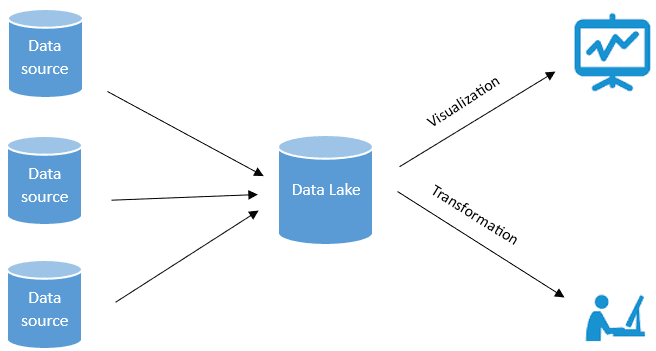
Data Lakehouse: The 'Lake' Foundation
A data lake is a central repository that stores all your data—structured or raw—in its original format. It's used to hold raw source system copies, sensor data, and social feeds for later analysis, but can become a messy "data swamp" without governance.
Stakeholder Mapping: Prioritizing Voices by Power and Interest
Stakeholder mapping visualizes who to engage by plotting their power and interest in your project. Use it to decide who needs daily updates versus a quarterly summary. The footgun is treating it as static; a stakeholder's influence can change overnight.
Competitive Intelligence: Turning Market Data into Strategy
Competitive intelligence turns public data about your market into a strategic map of what might happen next. It's used when pricing products or planning campaigns. The biggest mistake is confusing it with simple competitor tracking; true CI analyzes the *why*.
Null Hypothesis: Assume No Effect Until Proven Otherwise
The null hypothesis is your default assumption: nothing changed. You run experiments to gather enough evidence to reject this default. In A/B testing, the null is that your new feature has no effect, while the alternative is that it does.
Slowly Changing Dimensions (SCDs)
Slowly Changing Dimensions (SCDs) are how data warehouses handle history for attributes that change infrequently, like a customer's address. This ensures historical reports remain accurate. The footgun is overwriting old values, which corrupts past analysis.
Definition of Ready (DoR): The Bouncer for Your Sprint
The Definition of Ready (DoR) is the bouncer for your sprint, a checklist ensuring a user story is clear and actionable before the team commits to it. It prevents starting work on half-baked ideas. The footgun is making it too rigid, creating a bottleneck.
Competitor Teardown: Reverse-Engineering Product Strategy
A competitor teardown reverse-engineers a product to reveal its underlying strategy, not just its features. PMs use it to understand how rivals solve user problems and inspire new ideas.
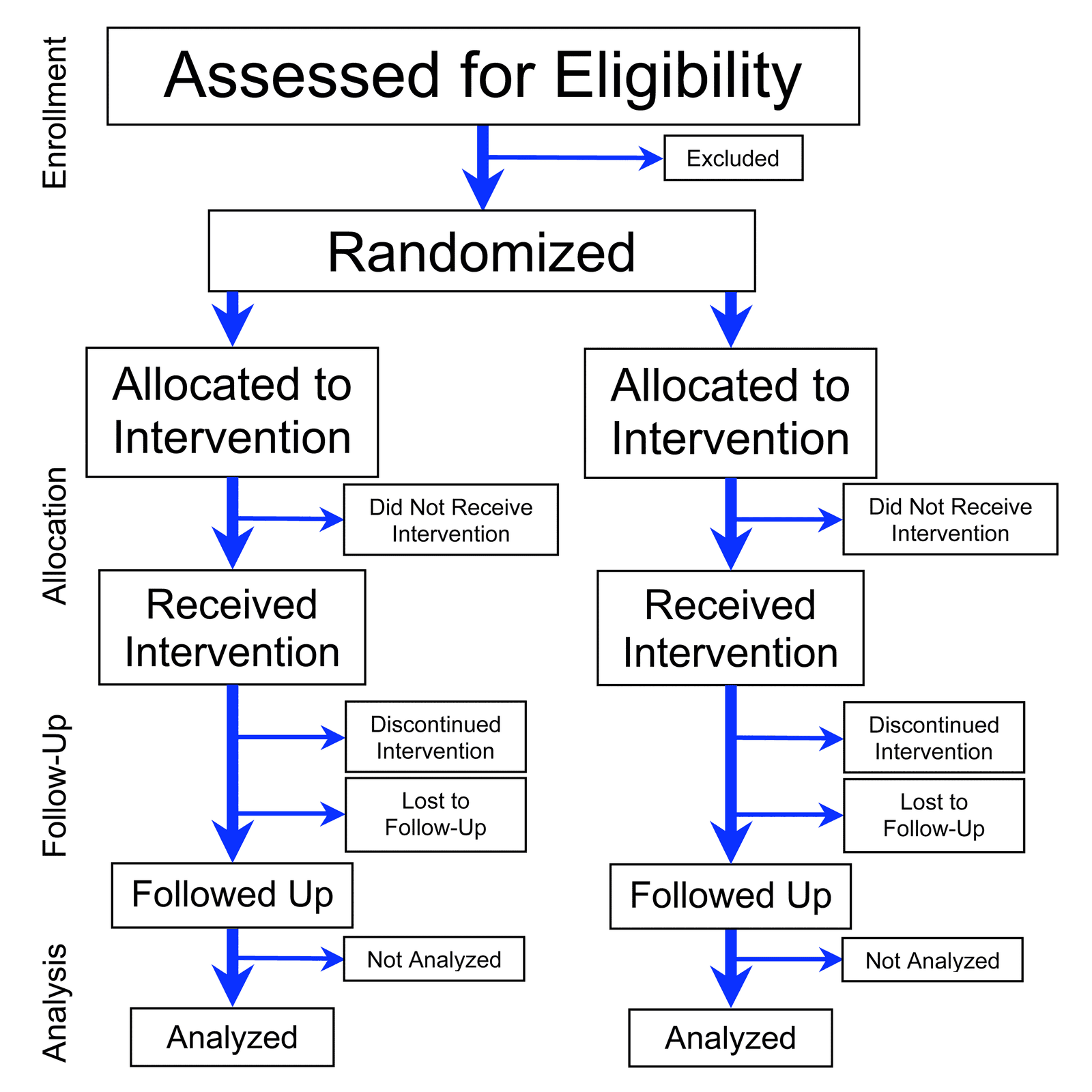
Randomization: The Key to Trustworthy Experiments
Randomization ensures experimental groups are similar before a test begins, like shuffling cards before dealing. This lets you confidently attribute differences in outcomes to your changes, whether in A/B tests or clinical trials.
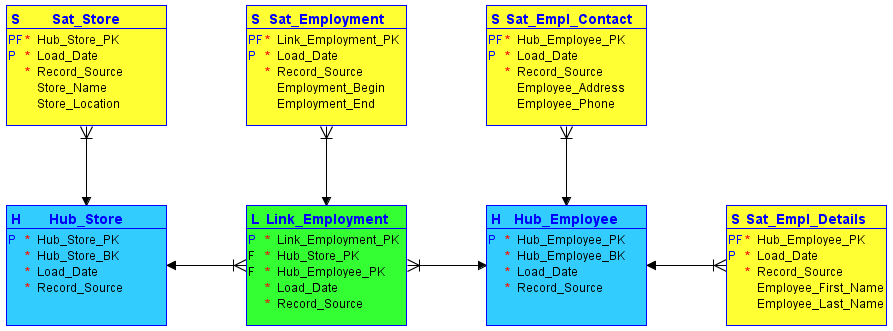
Data Vault Modeling: An Audit-First Data Warehouse
Data Vault modeling builds a warehouse like a financial ledger, where every entry is permanent and traceable. It excels at storing historical data from multiple systems for auditing.
Weighted Shortest Job First (WSJF): Prioritizing for Economic Impact
WSJF prioritizes work by its economic impact over time, not just its total value. It sequences backlogs in SAFe by dividing the "cost of delay" by job size. The footgun is getting bogged down in precise estimates instead of using relative sizing.
Switching Costs: The Moat Around Your Product
Switching costs are the gravity holding users to a product—the sum of all financial, mental, and effort-based pain of leaving. This is why bundled services are sticky. The footgun is creating costs that feel like traps, which destroys long-term trust.
Student's t-test: Is This Difference Real or Just Noise?
A t-test tells you if the difference between two group averages is statistically significant, especially with small samples. It's used in A/B testing to see if a new feature actually improved a metric, or if the change is just noise.
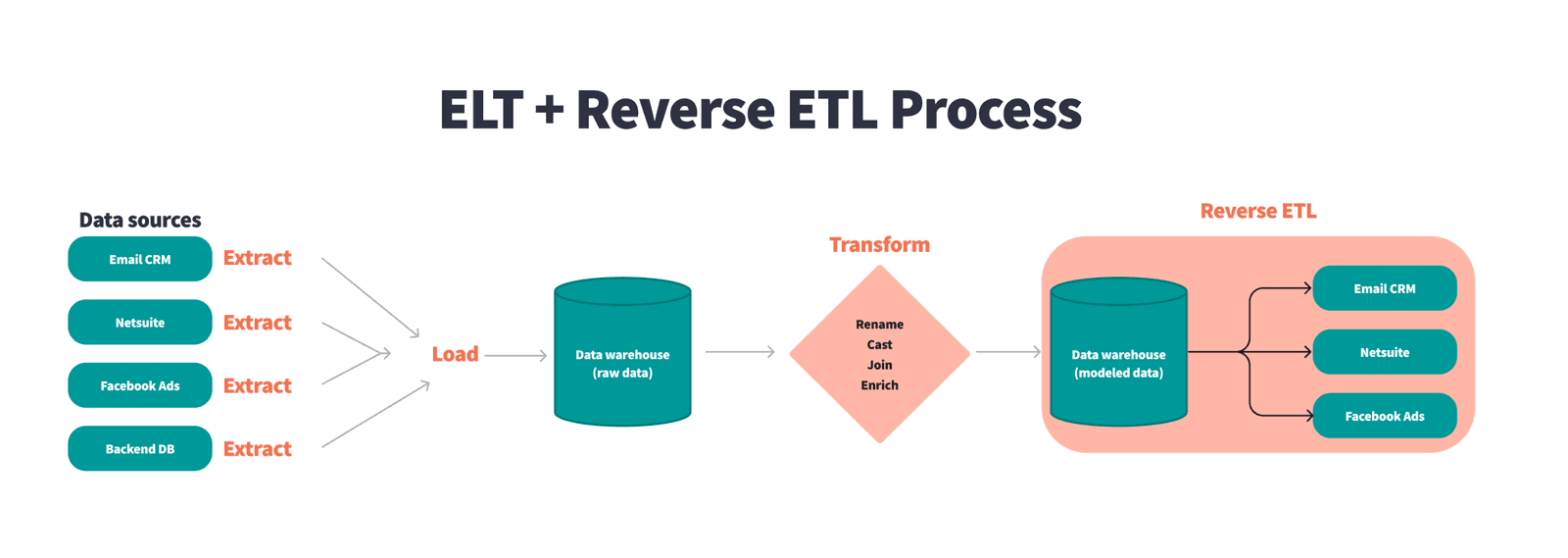
Reverse ETL: From Warehouse Insights to Operational Action
Reverse ETL pushes clean data from your central warehouse back into the operational tools business teams use daily. This powers sales with customer scores in their CRM or marketing with personalized segments, all from a single source of truth.
Servant Leadership: Serve First, Lead Second
A servant-leader inverts the power pyramid, focusing on their team's growth over their own power. This is common in Agile, where scrum masters remove blockers to help developers perform at their best.

Network Effects: Value Grows with Users
A product with network effects is like a telephone: its value grows as more people join. This powers social media, marketplaces, and communication tools. The main pitfall is the 'cold start problem'—attracting the first users to an empty, valueless network.
Chi-Squared Test: Are These Two Things Related?
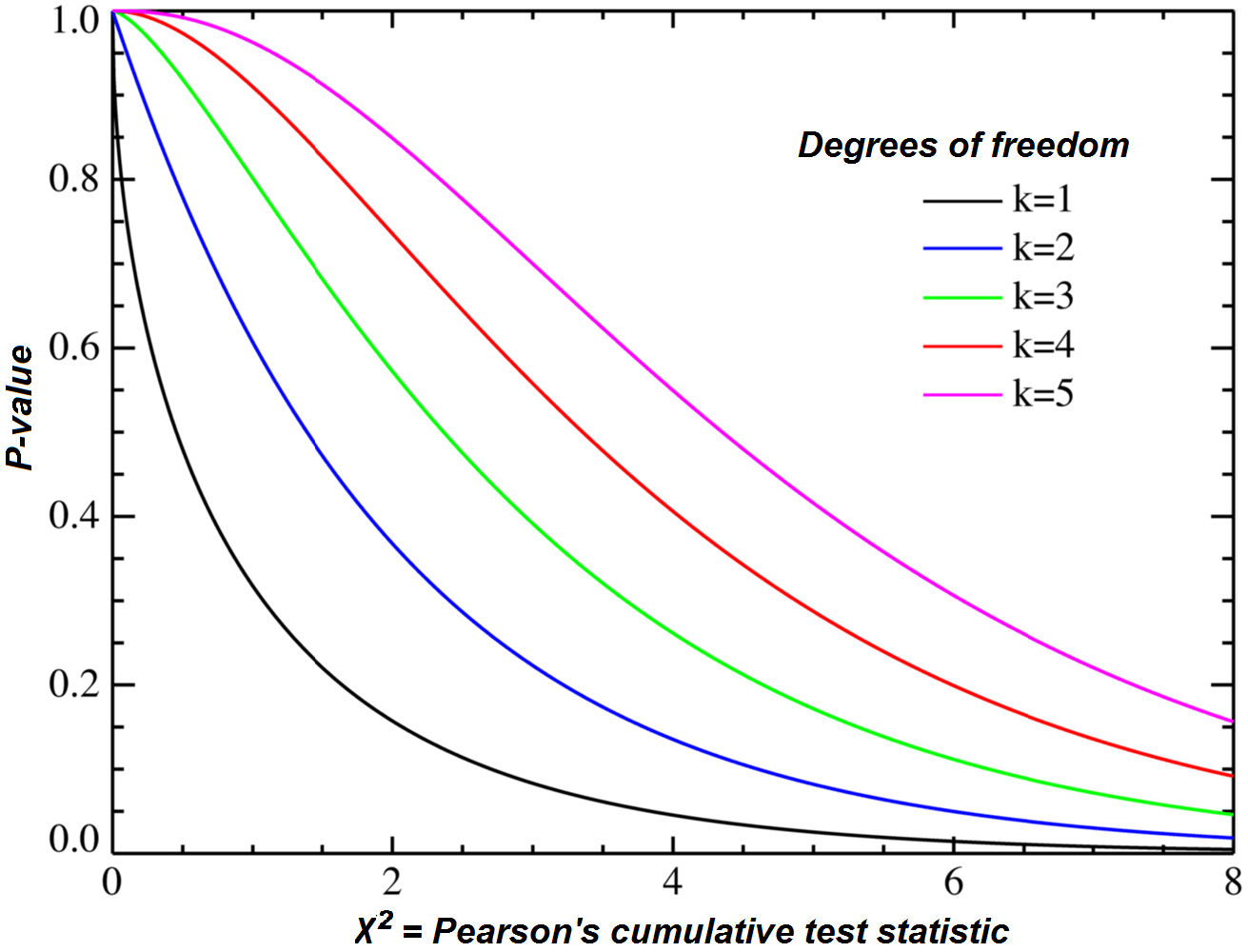
A Chi-Squared test detects 'surprising' differences between what you observe and what you'd expect. It's used to check if two categorical variables, like a landing page variant and a user's sign-up action, are independent or related.
Data Dictionary: The 'About' Page for Your Data
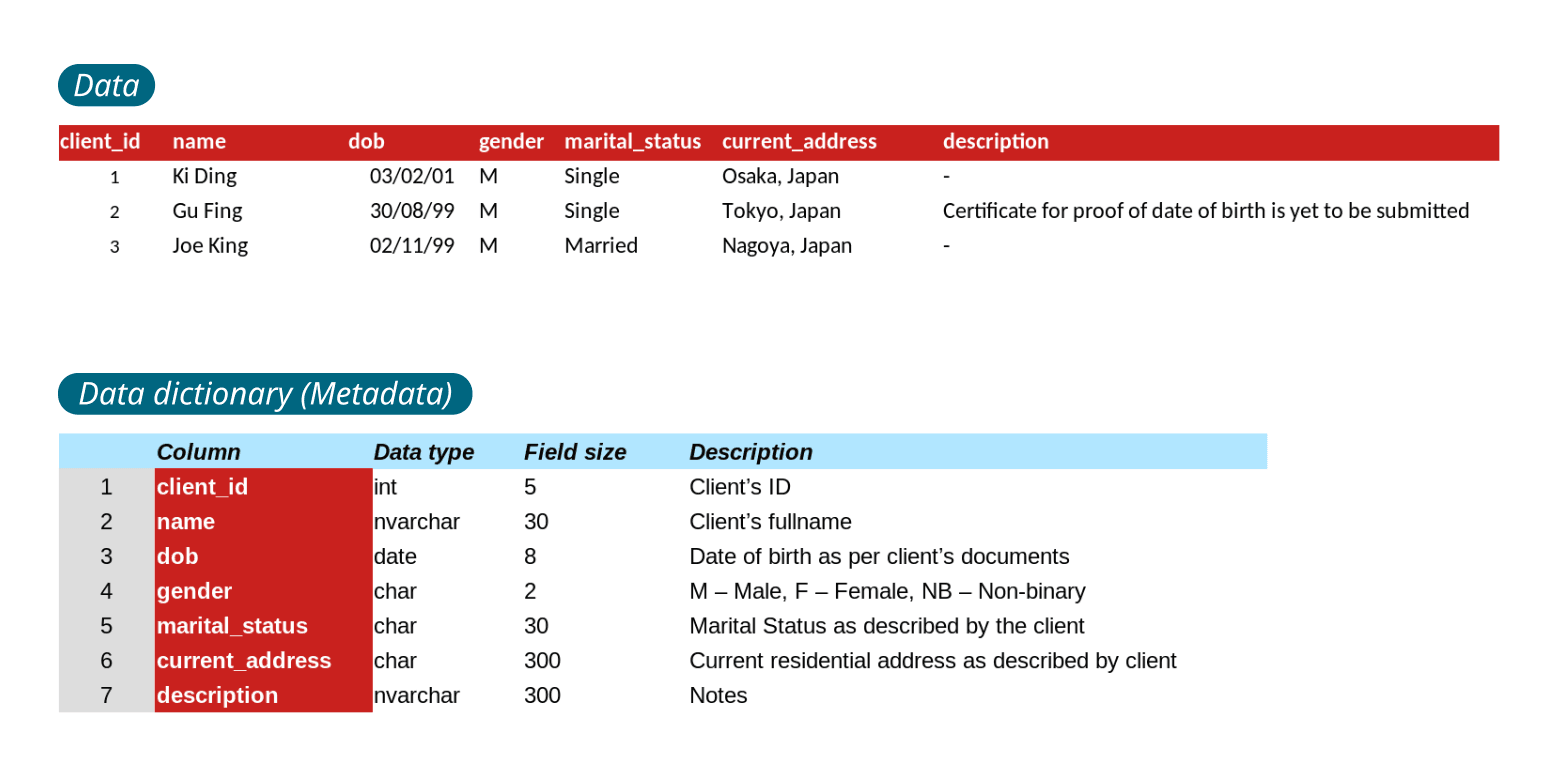
A data dictionary is the instruction manual for your database, defining what each piece of data means and how it's formatted. It's used by engineers to understand a schema or by analytics tools to interpret columns. The biggest footgun is letting it go stale.
PII: Data That Identifies a Real Person
PII is any data that can identify a real person. Email addresses, IP addresses, and device IDs all count, so analytics systems must mask or hash them before storage. A leaked salt can still expose a hashed email, so do not assume hashing removes PII.

Sales Battle Cards: Frame Your Competition, Don't Just Attack Them
A sales battle card is a one-page cheat sheet that frames your competitor's product for a different audience, not just lists its flaws. Sales teams use it to steer conversations toward your strengths.
Novelty and Learning Effects in A/B Testing
The novelty effect is a temporary metrics lift from curious users exploring a new feature. The learning effect is the opposite: a dip as users struggle with a change. Both can mislead A/B tests if you don't run them long enough to see the true.
We are hiring for this. Every open role lists the topics its interview covers, so you can prepare for the real thing rather than guessing.
See open roles