Interview questions in Product Management, page 26
Why is user-level randomization flawed by spillover effects?
Tests your grasp of SUTVA violations in network experiments. Explain how spillover contaminates the control group, then propose graph cluster randomization—grouping users and assigning entire clusters to A/B variants—to minimize interference.

How would you measure the success and impact of a new feature?
This tests your ability to connect engineering work to business value. A strong answer defines success metrics upfront, instruments code for quantitative data like adoption rates, and gathers qualitative feedback.
Handling spillover effects in social network A/B tests
This tests your grasp of SUTVA violations in networked experiments. A great answer explains how user-level randomization causes spillover, then proposes graph cluster randomization to assign entire communities to treatment or control, minimizing…
How do you measure a new feature's success beyond bugs and uptime?
Tests if you connect engineering to business value. A great answer links success to the feature's original goals, proposes user behavior and business impact metrics, and names specific tools.
Pushing back on a costly, low-value feature
Estimate cost in engineer-weeks, size the expected value, frame it as cost-per-unit-of-value, then propose a cheap experiment to test the hypothesis first.
How would you propose an MVP for a social sharing feature?
Tests whether you can isolate the smallest releasable slice that validates user value. Propose one sprint covering auth, share creation, and a minimal feed. Avoid cutting every requirement by 30 percent or skipping observability.

What are the key architectural differences between freemium and free trial models?
Contrast tiered entitlements against trial timers and revocation; discuss free-user overhead and conversion tracking.

Explain how CUPED increases statistical power and required data
Tests ANCOVA variance reduction. Answer: CUPED regresses pre-experiment X on Y, shrinking variance by (1-ρ²); needs pre-randomization prognostic baseline; beats difference scores. Red flag: calling it Y-X subtraction or saying it changes the effect.
How CUPED increases statistical power in experiments
Tests your grasp of variance reduction in A/B testing. Explain how CUPED uses correlated pre-experiment data to reduce outcome variance, increasing statistical power. A red flag is confusing it with simpler difference scores, which can actually increase noise.
Quantify and communicate a feature's cost/benefit trade-off
Tests your ability to influence product decisions with data. Quantify engineering cost (time, complexity, risk), then propose cheaper experiments like an MVP or fake door test to validate the hypothesis first.
How does CUPED increase the statistical power of an experiment?
Tests your grasp of variance reduction. Explain CUPED as ANCOVA, using pre-experiment data (X) to remove predictable noise from the outcome (Y). Effectiveness depends on correlation (rho), reducing variance by (1-rho^2).
Handling a High-Cost, Low-Value Feature Request
Tests your ability to influence product using data and lean principles, not just technical objections. Quantify cost in engineer-weeks, ask for value metrics, then propose cheaper experiments (e.g., a fake door test).

How do you prioritize a P1 bug versus a sales-driven feature request?
Use impact-effort or weighted scoring; check if the 1% crash hits paid tiers; verify deal size, probability, and stage; weigh maturity.
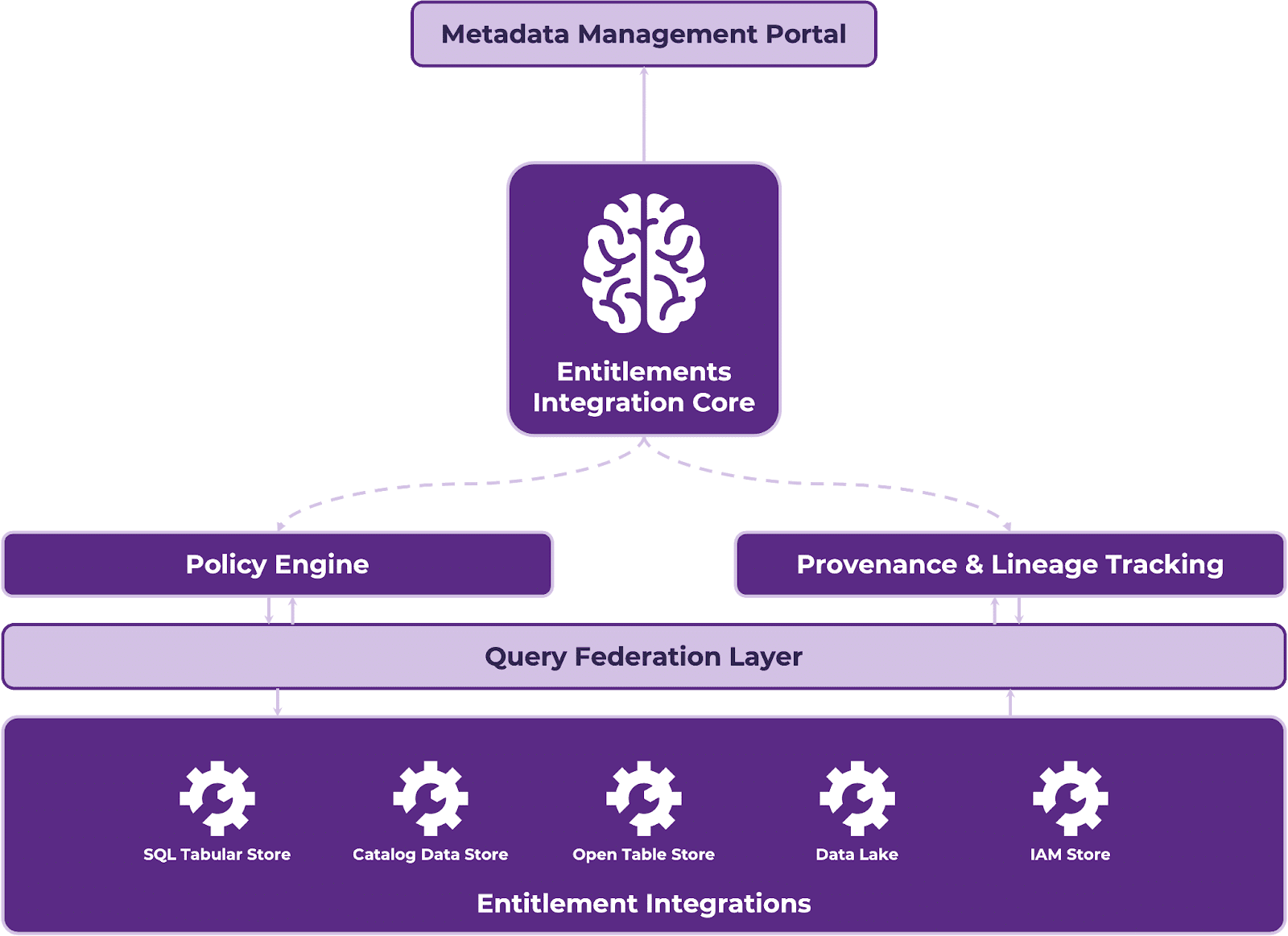
Design a highly available entitlements service with caching
This tests balancing read performance with consistency in access control. A strong answer proposes tiered caching with proactive invalidation, read-optimized hot paths, and event-sourced temporary grants.

Describe key components for EDA on three years of daily user sign-ups
This tests time-series decomposition intuition. A strong answer covers trend, seasonality, and noise via plots, autocorrelation, and calendar effects, plus checks for missing days and outliers. Red flag: jumping to forecast models before validating structure.
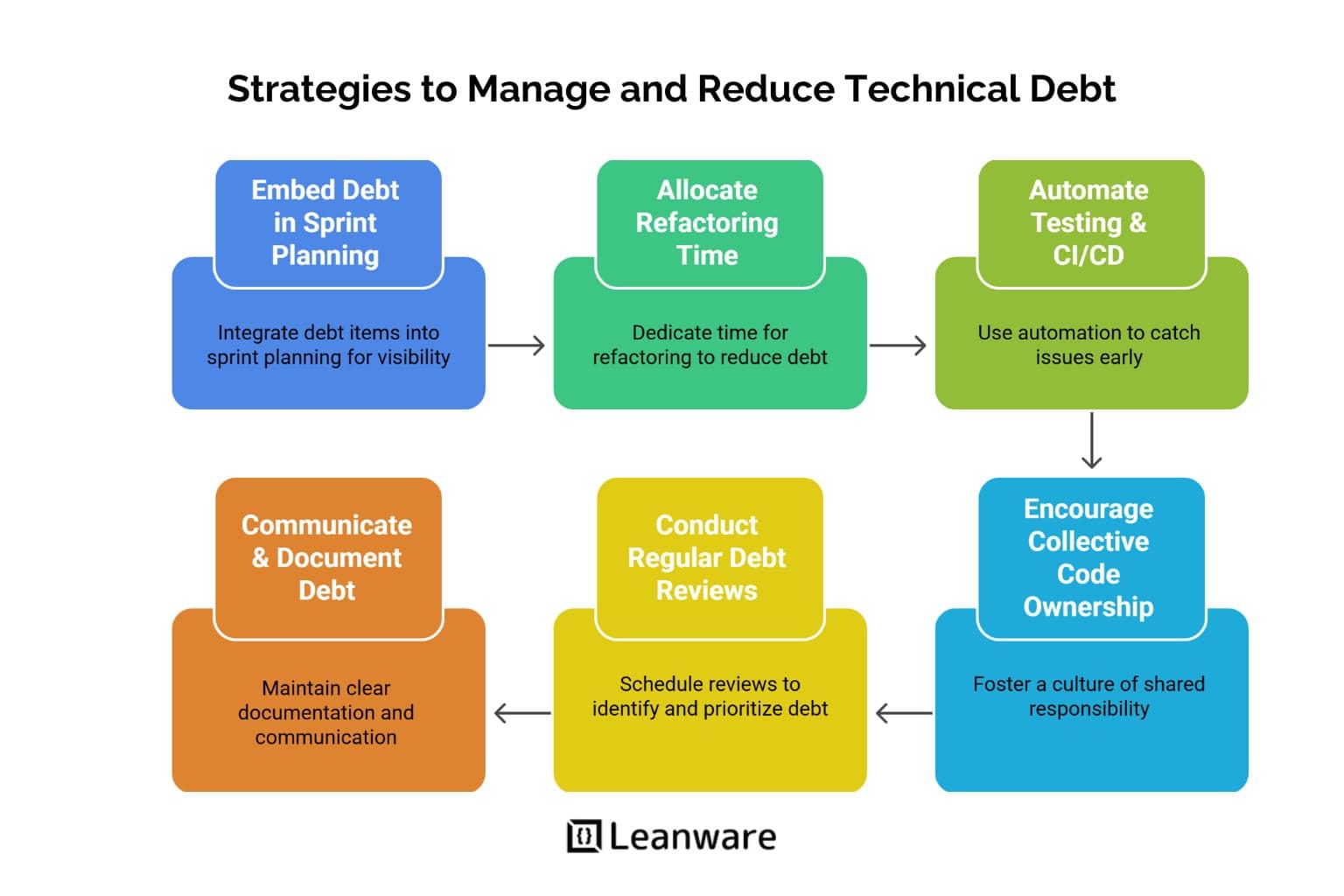
Describe a framework to strategically manage tech debt during product discovery
This tests strategic debt tradeoffs under speed pressure. A strong answer classifies debt by interest, caps MVP debt with guardrails, and reserves fixed sprint capacity for repayment. Red flag: vilifying debt or deferring cleanup without triggers.
How would you analyze a time series of user sign-ups?
This tests your structured approach to decomposing time series data. A strong answer identifies trend (long-term growth), seasonality (weekly/yearly patterns), and irregular components like spikes or dips.
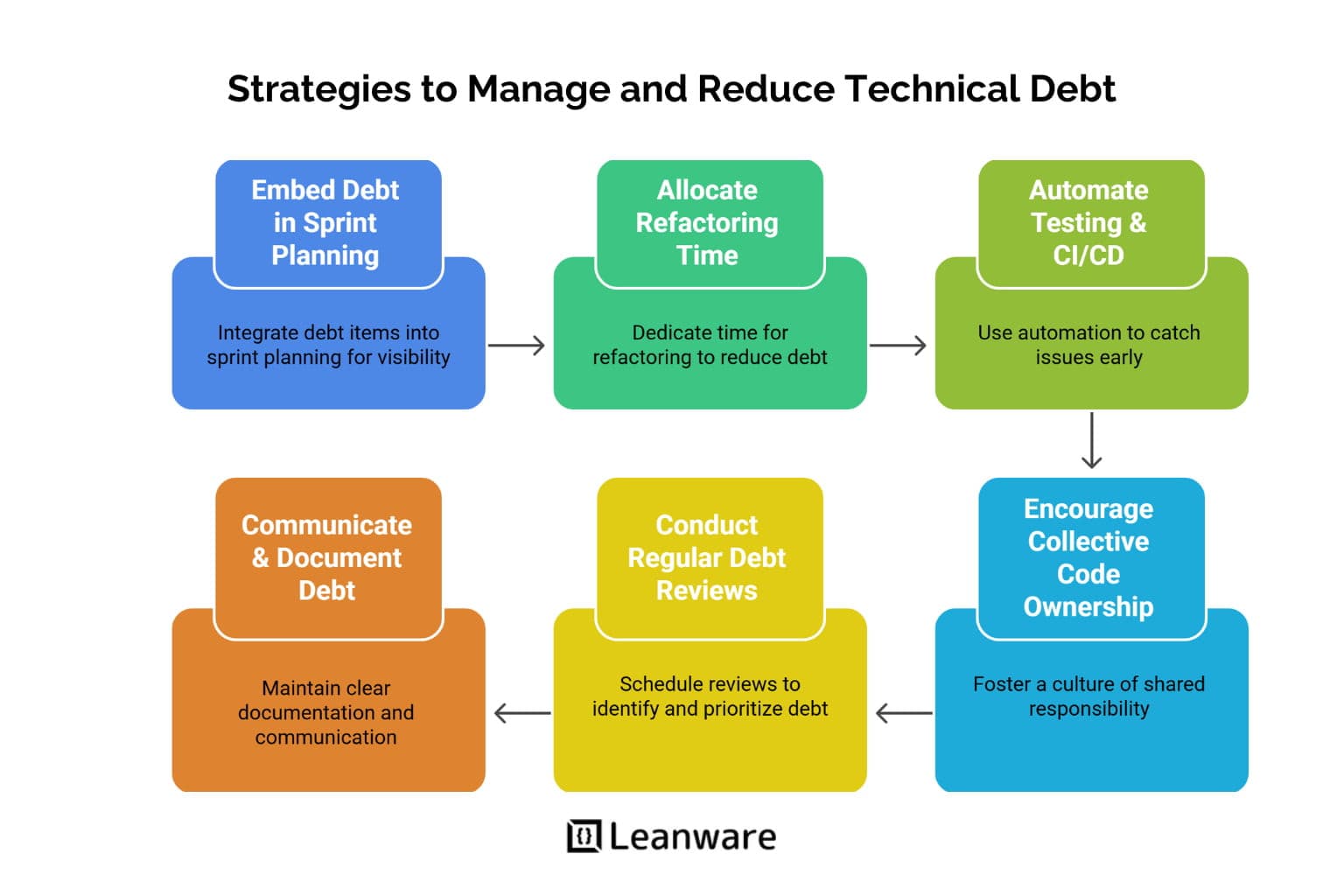
How do you strategically manage tech debt during product discovery?
This tests your strategic view of tech debt. A great answer defines intentional vs. unintentional debt, outlines a framework for tracking and repayment (like a debt backlog), and explains when it's a valid tool for MVPs.
Describe EDA for a 3-year daily user sign-up dataset.
Tests your structured approach to time series EDA. A good answer identifies trend, seasonality, and anomalies before modeling. A red flag is jumping to forecasting models or only mentioning the overall average growth, ignoring cyclical patterns.
Describe your framework for managing tech debt in product discovery.
Tests your strategic view of tech debt. A good answer frames debt as a tool, describes a framework for categorizing and tracking it, and explains how to tie repayment to product milestones. A red flag is viewing all debt as bad or lacking a concrete.
We are hiring for this. Every open role lists the topics its interview covers, so you can prepare for the real thing rather than guessing.
See open roles