All bites
The whole library, newest first. Filter by what you are here for, or pick a topic if you already know.
4247 bites
Page 184
Swarming: The Team Tackles One Thing at Once
Swarming focuses the entire team's effort on a single work item to finish it fast, rather than having everyone work on separate tasks. Use it to unblock a critical feature or push the most important story over the finish line at the end of a.
The North Star Metric: Your Product's One True Focus
A North Star Metric (NSM) is the single number that best captures the core value your product delivers. It's a compass for long-term growth, guiding sprint planning and backlog prioritization.
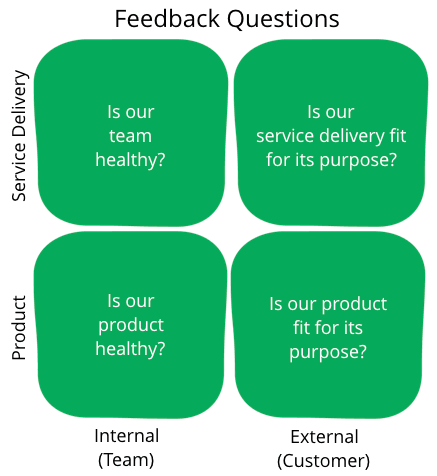
Service Delivery Review: The Missing Agile Feedback Loop
A Service Delivery Review shifts focus from *what* was built to *how* it was delivered. It's a regular meeting where teams and customers review quantitative metrics like lead time and blockers.

Cycle Time: Measuring Your 'Time to Value'
Cycle time is the total duration from a feature's conception to its deployment in production. Agile teams track it to speed up feedback loops and value delivery. The main footgun: start and stop times are inconsistent, making cross-team comparisons unreliable.
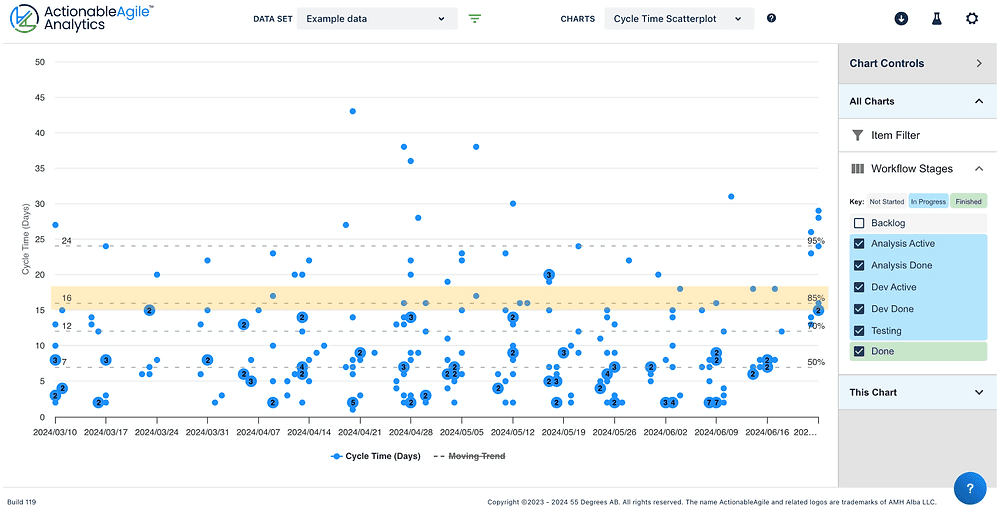
Cycle Time Scatterplot: Visualize Your Team's Predictability
A Cycle Time Scatterplot visualizes delivery speed by plotting how long each task took against its completion date. Agile teams use it to spot predictability trends and set realistic delivery forecasts.
Disciplined Agile: A Toolkit, Not a Prescription
Disciplined Agile (DA) is a toolkit, not a rigid framework, for choosing your own process. It helps teams blend practices from Scrum and Lean when one method doesn't fit. The footgun is treating DA as a prescription instead of a decision-making guide.
Agile Maturity Models: A Map, Not a Race
An Agile Maturity Model is a report card for your process, assessing adherence to Agile values through defined levels. Teams use it to benchmark progress and find weak spots.
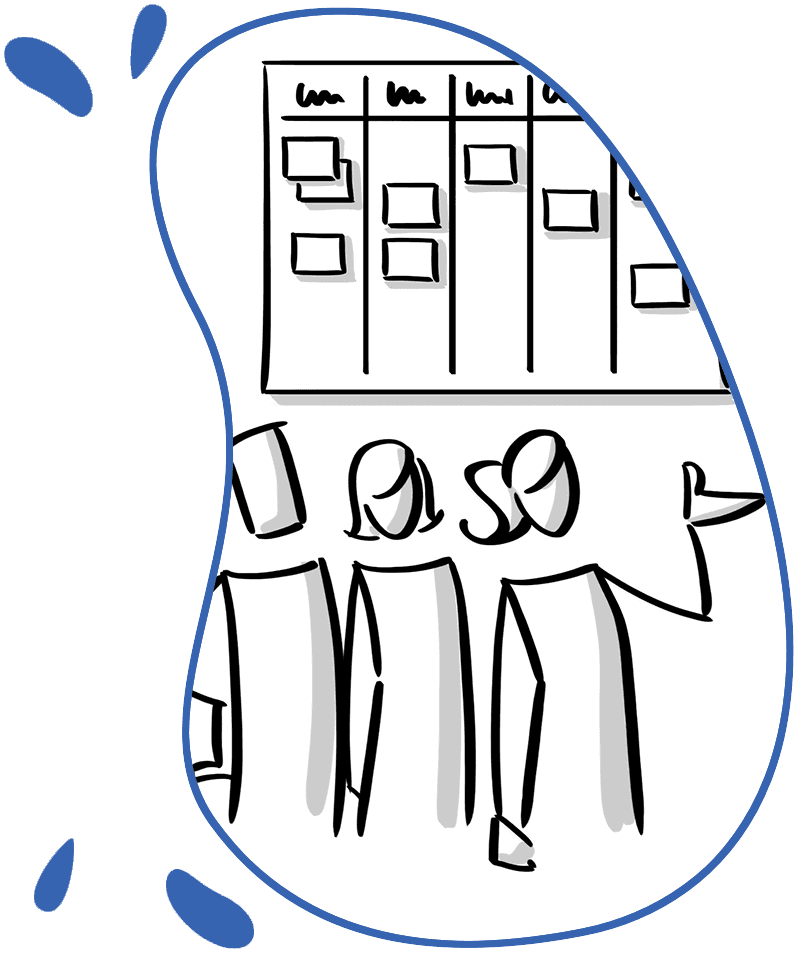
Kaizen: The Art of Continuous Improvement
Kaizen means "continuous improvement," making small, frequent changes instead of big, risky ones. In Scrum, this is the heart of the Sprint Retrospective, where teams inspect their process and define concrete actions for the next sprint.
Shu-Ha-Ri: A Model for Mastery
Shu-Ha-Ri is a model for mastery: first follow the rules (Shu), then break them (Ha), and finally make your own (Ri). It's used to guide agile adoption, starting with strict adherence before innovating.
Scrum Master Stances: A Situational Toolkit
A Scrum Master isn't just a meeting facilitator. They're a situational leader who adopts different roles—teacher, coach, impediment remover—to serve the team. This toolkit helps them decide when to teach, when to coach, and when to clear a path for the team.
Sprint Capacity Planning: Committing to Achievable Work
Sprint capacity planning is like checking your team's fuel tank before a road trip. It calculates your team's actual available work hours for a sprint, accounting for time off, to make a realistic commitment.
A3 Problem Solving: One Page to Clarity
A3 Problem Solving makes your thinking visible, using a single-page report to map the journey from a problem to a solution. It's used to diagnose bugs or strategic issues like falling market share. The footgun is using it when options are already decided.
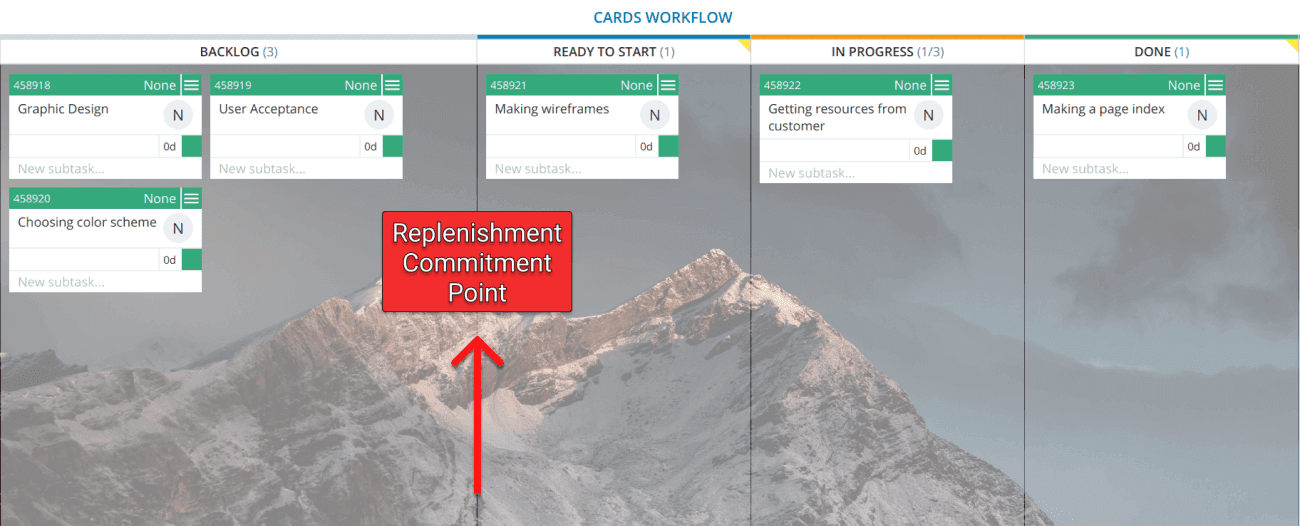
Kanban Replenishment: Pulling Work, Not Pushing It
Instead of a manager pushing tasks, a replenishment meeting is where the team pulls work into their active backlog. This cadence refills the 'Ready to Start' column, ensuring a steady flow of well-understood tasks.

Work Item Age: Don't Let Your Tasks Spoil
Think of work item age as the time elapsed since a task started, like food in a fridge with an expiration date. Kanban teams use it to spot delays and bottlenecks. The biggest mistake is tracking age without acting on aging items to unblock them.
Agile Transformation Backlog: The Roadmap for Change
An Agile Transformation Backlog turns a vague vision for change into a concrete, prioritized to-do list for the entire organization. A dedicated team uses it to roll out new practices to specific departments, one small, measurable change at a time.
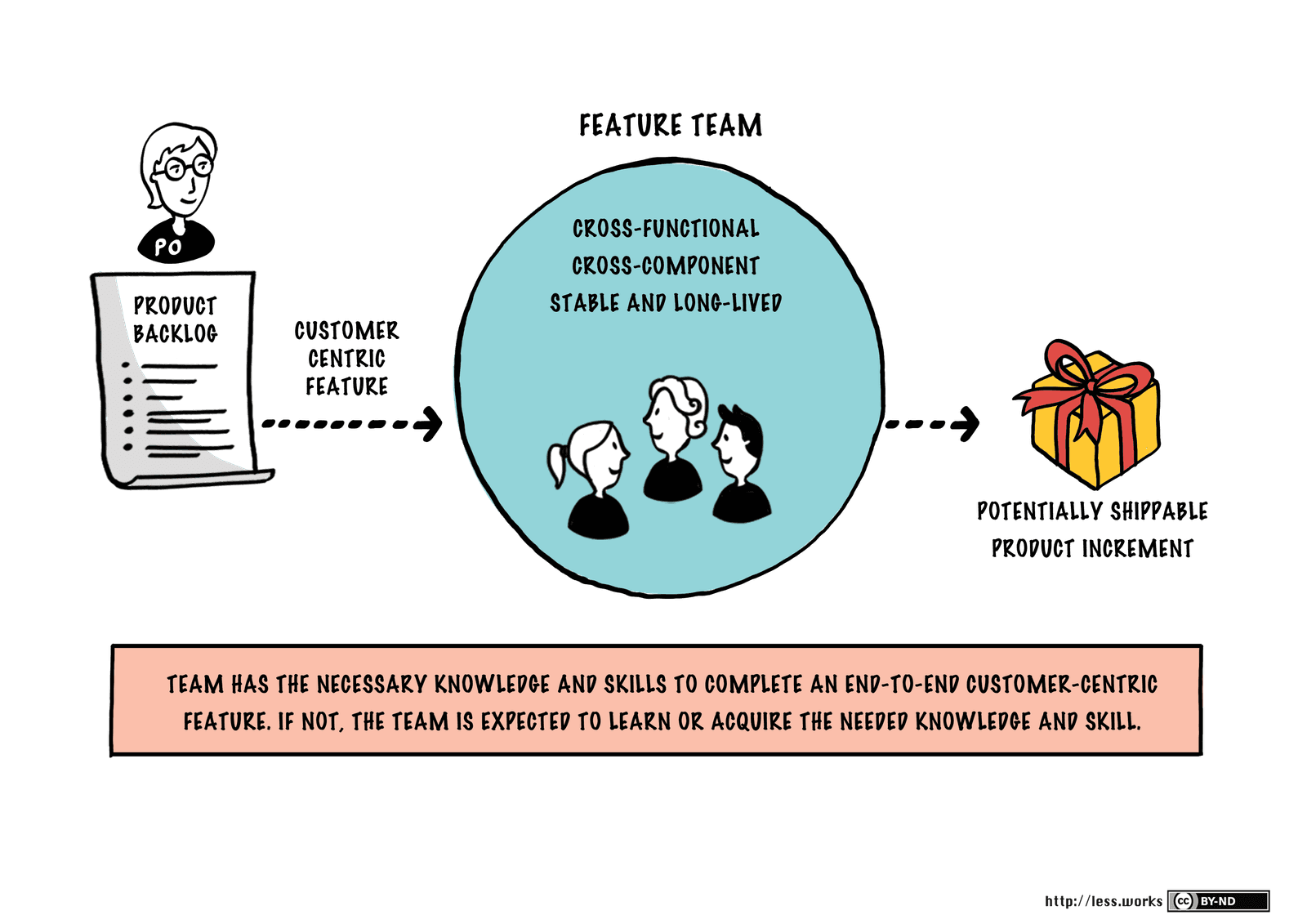
Feature Teams: Ship Value, Not Layers
A feature team owns a customer-facing feature from start to finish, unlike component teams that own a single tech layer. This reduces handoffs and speeds up delivery.
Product Vision: The Why Behind Your What
A product vision is your team's North Star—an aspirational goal answering 'Why are we building this?' It guides the roadmap and aligns stakeholders by describing the future you're creating, ensuring everyone pulls in the same direction.
The Kano Model: Not All Features Are Created Equal
The Kano Model classifies features by their impact on user satisfaction, separating "must-haves" from "delighters." Use it in product planning to prioritize impactful work. The footgun is misclassifying a novelty as a core need, starving basic functionality.
Evidence-Based Management (EBM): Measure Value, Not Just Velocity
Evidence-Based Management (EBM) is like a fitness tracker for your organization, using data to guide decisions instead of gut feel. It helps you measure progress toward goals and improve outcomes.
Agile Facilitation: Guiding Teams to Outcomes
An Agile Facilitator is a neutral guide, designing the *process* for a team to reach its own conclusions, not just running the meeting. They are crucial for sprint planning, retrospectives, and conflict resolution.