All bites
The whole library, newest first. Filter by what you are here for, or pick a topic if you already know.
8668 bites
Page 220

How do you build a business case for technical debt?
This tests your ability to translate engineering problems into business impact. A strong answer quantifies the debt's cost (e.g., slower velocity), frames it as risk, and proposes a concrete payback plan like allocating 20% capacity.

Throughput vs. Velocity in Agile Planning
This tests your grasp of flow vs. estimation metrics. Define throughput as a count of delivered items and velocity as a sum of estimated points. Throughput measures actual output, making it better for forecasting. Red flag: claiming velocity is more accurate.

How do you coach a team to self-management?
Tests your grasp of situational leadership. A great answer uses a maturity model like Tuckman's stages to show how your coaching evolves from directive teaching (Forming) to strategic advising (Performing), and explains which techniques you retire.
How do you handle wildly fluctuating team velocity?
Tests if you know velocity is for team planning, not a manager's KPI. A good answer reframes the goal to predictability, investigates root causes with the team (e.g., story sizing, unplanned work), and proposes experiments.

Advocating to decentralize a deployment approval board
Tests your ability to influence change with data. A good answer frames deployments as frequent, time-critical decisions ideal for decentralization, proposes a phased rollout with metrics like cycle time, and defines new guardrails.
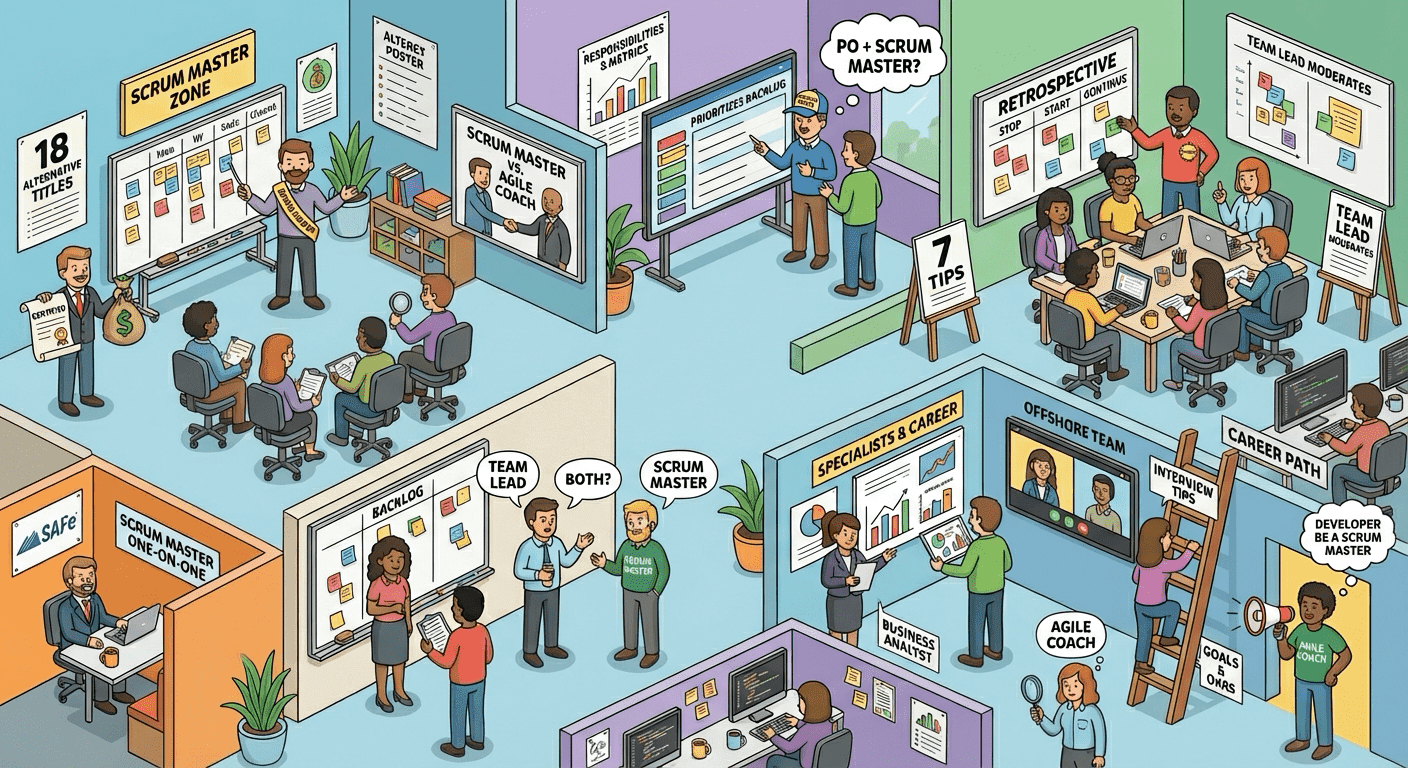
Manager Wants to Attend Your Sprint Retrospective. How Do You Respond?
Tests your grasp of psychological safety and stakeholder management. A good answer identifies the risk to open feedback, proposes other ways to inform the manager, and suggests a structured, one-time experiment if they must attend.

A story is too large for one sprint. What are your options?
Tests your grasp of incremental value delivery over just task completion. A great answer first re-validates priority with the PO, then discusses vertical splitting strategies and their trade-offs.
How do you handle a story that's too large for a sprint?
Tests your ability to apply agile principles pragmatically. A great answer prioritizes the Sprint Goal, collaborates with the PO to vertically slice the story into smaller valuable pieces, and then re-plans the sprint backlog.
What systemic impediments cause 'Zombie Scrum' in an organization?
This tests your ability to diagnose organizational dysfunction beyond team-level issues. A great answer identifies systemic impediments like a lack of stakeholder involvement, low team autonomy, and a focus on output over value.
Design an Architecture for Rapid Product Iteration
This tests your grasp of evolutionary architecture for uncertain markets. Outline how to support guided, incremental change across multiple dimensions (tech, data, security) using fitness functions to protect key characteristics.

How do you quantify the cost of technical debt?
This tests translating engineering problems into business impact. Calculate the ongoing time cost per sprint, estimate the fix cost, and present a breakeven point to frame the refactor as an investment.
How do you handle non-functional requirements in a product backlog?
This tests if you can make abstract quality goals concrete. A good answer covers making NFRs explicit backlog items, adding them to the Definition of Done, and creating technical stories. A red flag is treating NFRs as assumed work that doesn't need tracking.

Blocker vs. Impediment: How do you escalate an impediment?
This tests your proactivity in removing systemic friction. Define a blocker (full stop) vs. an impediment (drag). Explain how you surface impediments in retros, track them in a backlog, and escalate systemic issues to leadership.
Which Scrum event fixes consistently failed Sprints?
Tests your grasp of Scrum's empirical process control. A great answer identifies the Sprint Retrospective as the event for inspecting the *process*, not just the product. It contrasts this with the Sprint Review.

How does an EM's role change in an agile model?
This tests your grasp of servant leadership. A great answer outlines the shift from directing work to building team capability through coaching, removing systemic impediments, and managing the team's environment.
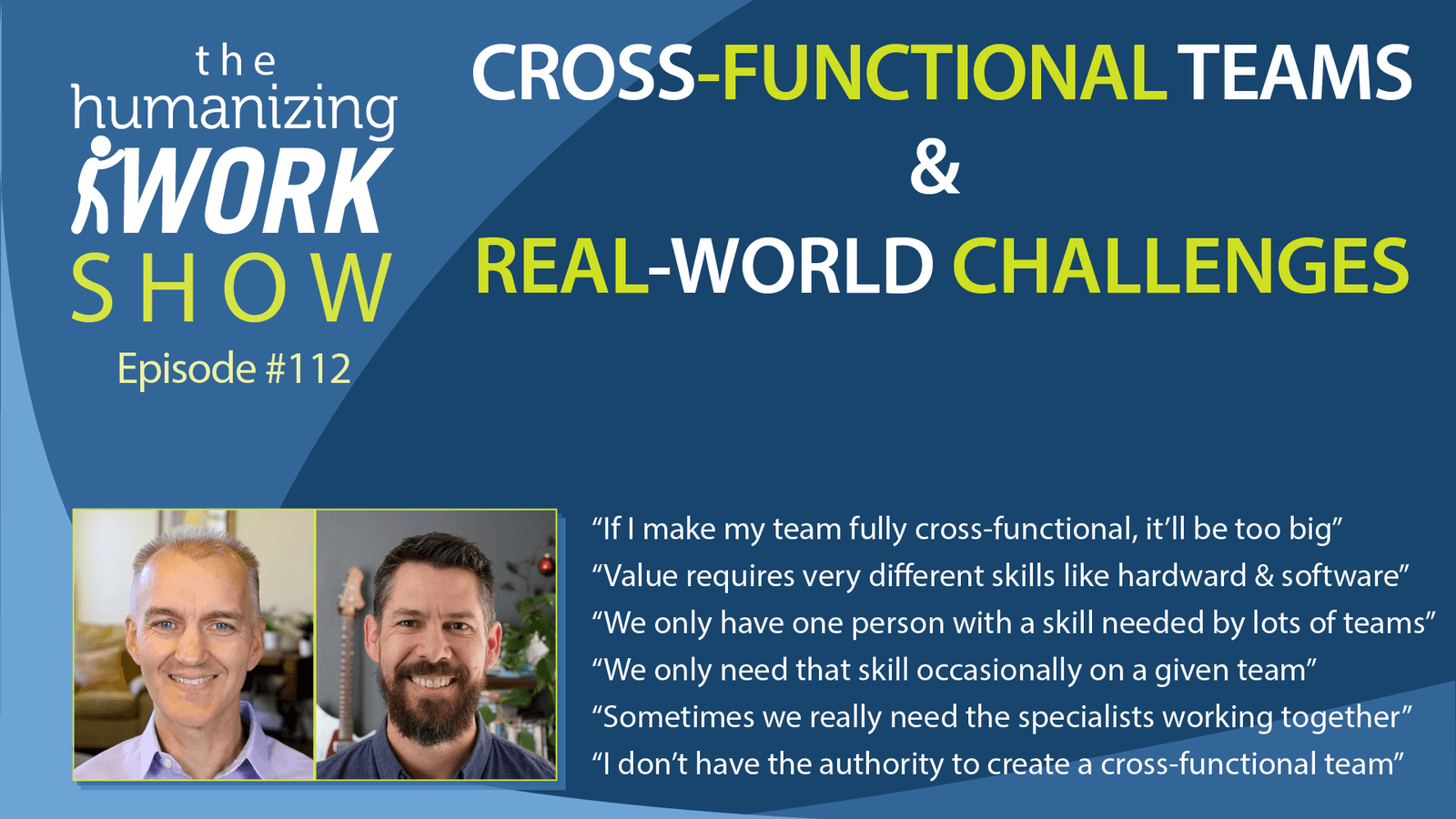
Challenges of transitioning to cross-functional teams
Tests your experience with real-world agile transitions. A good answer covers process friction (new roles), technical gaps (tooling, T-shaped skills), and cultural shifts. A red flag is blaming other roles or giving textbook-only agile answers.
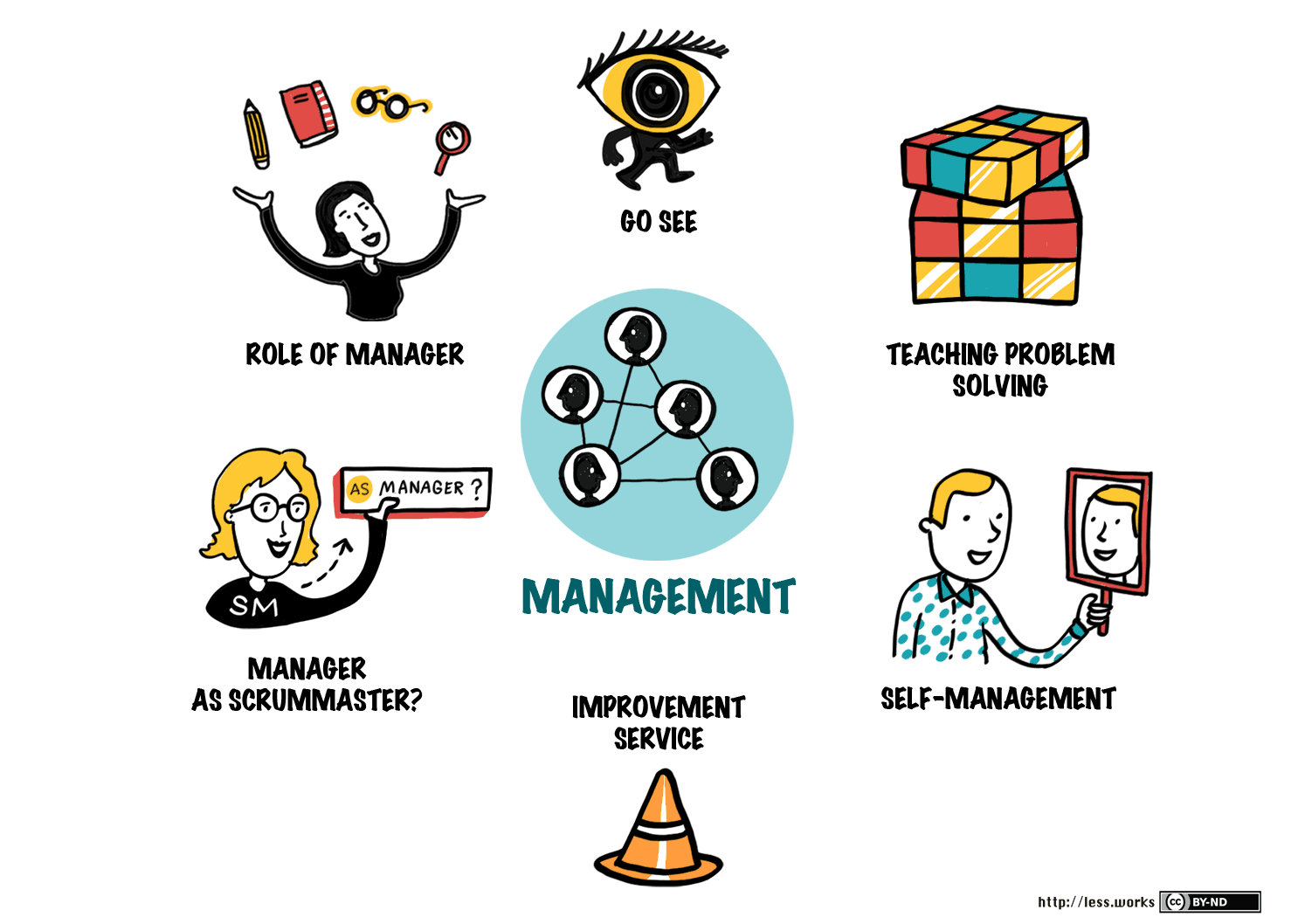
How does management's role evolve in scaled agile frameworks like LeSS?
This tests your grasp of modern agile management, moving from command-and-control to enabling teams. Contrast Theory X (directing) with Theory Y (coaching). In LeSS, managers improve the system and teach, not assign tasks.
What is SAFe's Architectural Runway and how do you build it?
This tests your grasp of balancing proactive technical investment with agile delivery. Define it as the code and infrastructure for near-term features, built via 'Enabler' stories. The red flag is describing it as a rigid, big design up-front (BDUF) plan.

How would you create a probabilistic forecast for 40 stories?
This tests your ability to use statistical methods for forecasting. A great answer explains how to use historical throughput in a Monte Carlo simulation to generate a probability distribution of completion dates, not a single point estimate.

When Does Cycle Time Begin and End?
This tests your grasp of process metrics. Define Cycle Time as starting when active work begins ('In Progress') and ending when it's 'done' (code complete/merged), not when the ticket was created. A red flag is confusing this with customer-facing Lead Time.