More in AI & ML — page 49
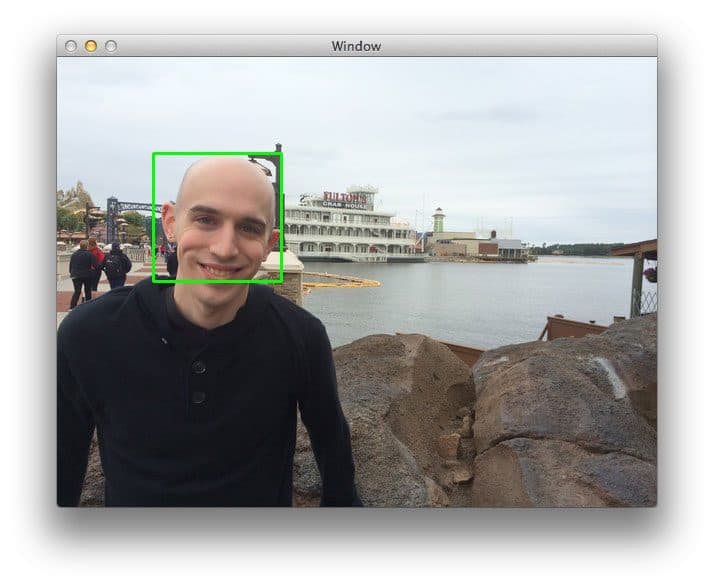
Sliding Windows: Scanning Images for Objects
A sliding window scans an image with a fixed-size box to find objects. At each location, a classifier checks the window's contents. Combined with an image pyramid, it can detect objects at various scales, localizing exactly where they are.
BRIEF: Fast, Compact Binary Feature Descriptors
BRIEF describes image features as a compact binary string instead of a complex vector. This makes it extremely fast for real-time matching on low-power devices. The footgun: its raw form isn't rotation-invariant, trading that robustness for raw speed.

Perspective Transformation: Making 3D Look Right on a 2D Screen
Perspective transformation is like looking through a camera lens; it makes distant objects smaller to create the illusion of depth on a flat screen. It's essential for 3D games and computer vision.
Image Thresholding: Separating Foreground from Background
Image thresholding turns a grayscale image into black and white by setting a brightness cutoff. It's used to isolate features for analysis, like finding text on a page.
FPGA in Computer Vision
An FPGA is reconfigurable silicon wired into a custom digital circuit rather than programmed as instructions, letting a vision pipeline like demosaicing and feature extraction run in dedicated hardware with low latency and high throughput per watt.
TensorRT: From Trained Model to Production Speed
TensorRT is a compiler that turns a trained model into a specialized, high-speed engine for a specific NVIDIA GPU. It's used to deploy models in production where low latency is critical.
Knowledge Distillation: Shrinking Models, Not Performance
Knowledge Distillation trains a small "student" model on the nuanced outputs of a large "teacher" model. This is how huge, accurate models are shrunk to run on phones. The footgun is assuming performance is identical; there's always a trade-off.
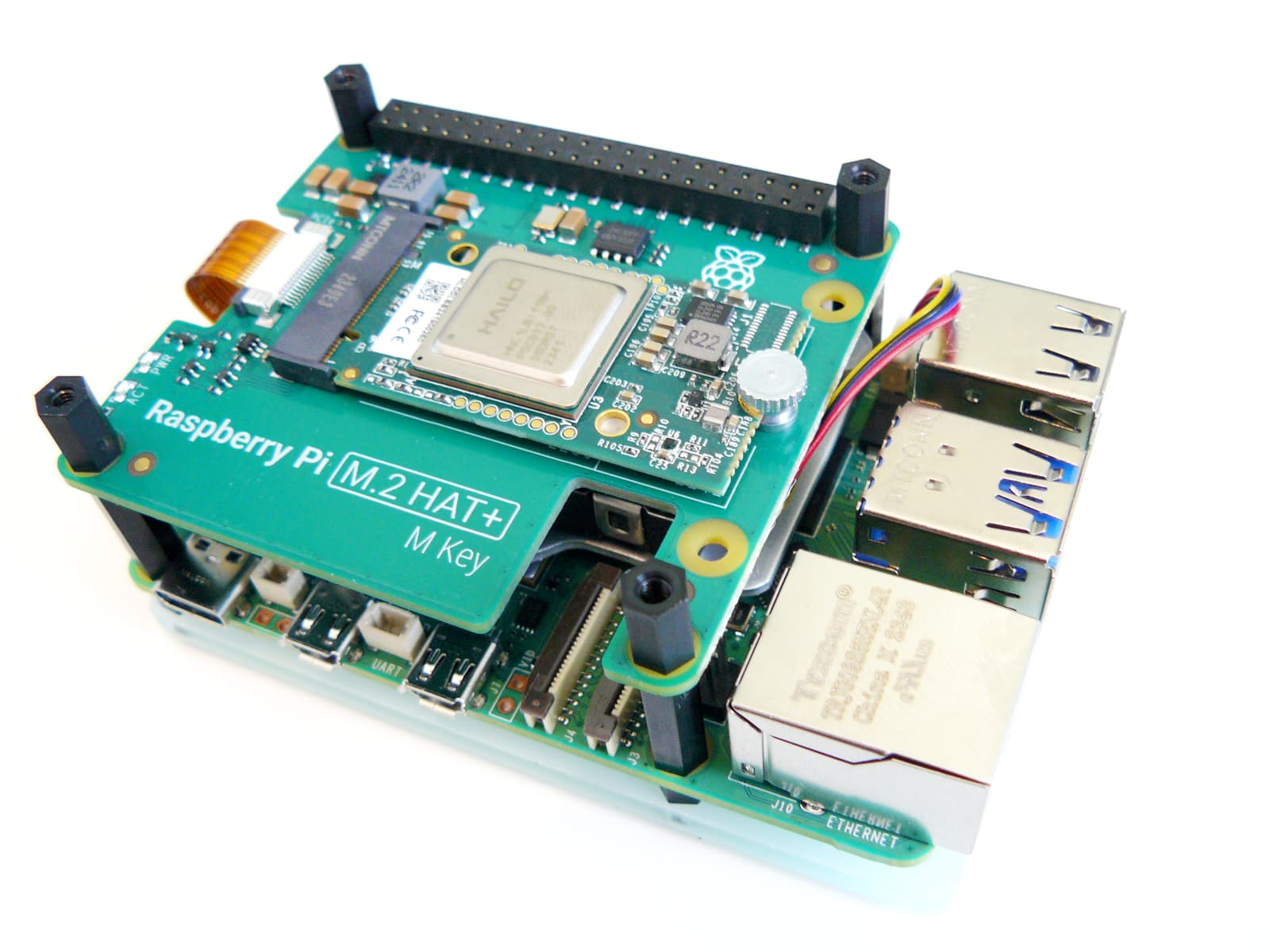
Edge AI Accelerators: Inference Without the Cloud
An Edge AI accelerator is a specialized, low-power chip that runs AI models directly on a device, skipping the cloud. It's used for real-time tasks like object detection where latency and privacy are critical.
ONNX: The Universal Translator for ML Models
ONNX is a universal translator for ML models, letting you train in one framework (like PyTorch) and run in another. It's used to deploy models to diverse hardware without rewriting them.
Model Quantization: Trading Precision for Performance
Model quantization trades numerical precision for a smaller memory footprint. It reduces model weights from high-precision types like fp32 to lower ones like int8 or int4, making large models fit on consumer hardware.
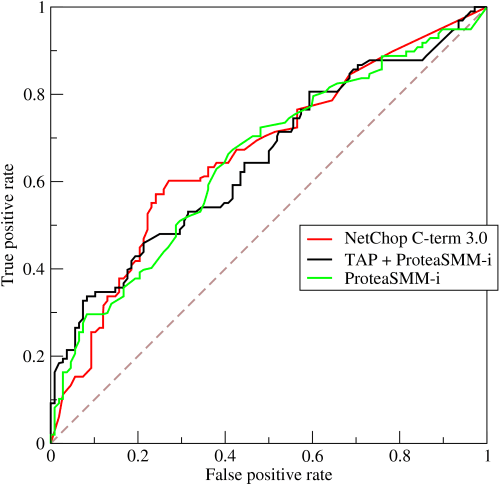
ROC Curve and AUC: Measuring Classifier Performance
An ROC curve visualizes a classifier's trade-off between catching true positives and flagging false ones across all thresholds. It's used to evaluate models like medical diagnostics or spam filters.

Precision vs. Recall: The Classifier's Trade-off
Precision is the quality of your positive predictions; Recall is the quantity you find. A spam filter with high precision avoids false alarms, while high recall catches most spam.
Confusion Matrix: Grading Your Model's Predictions
A confusion matrix is a scorecard showing how a classification model gets confused. It grids predicted labels against actual labels to reveal specific error types. It's essential for diagnosing failures that overall accuracy metrics might hide.
Data Labeling: Teaching Computers How to See
Data labeling is like creating flashcards for an AI. You show it an image and explicitly tell it what's important, like 'this is a cat.' It's essential for training models for self-driving cars or medical imaging.
ImageNet: The Dataset That Launched the Deep Learning Boom
ImageNet is a massive, human-labeled image library that became the standard benchmark for teaching computers to "see". It's the dataset behind the deep learning revolution, used to pre-train models for photo search and more.
Image Sensors: Converting Light to Data
An image sensor is the digital equivalent of film, turning light into electrical signals. It's the core component in everything from your phone's camera to medical imaging.
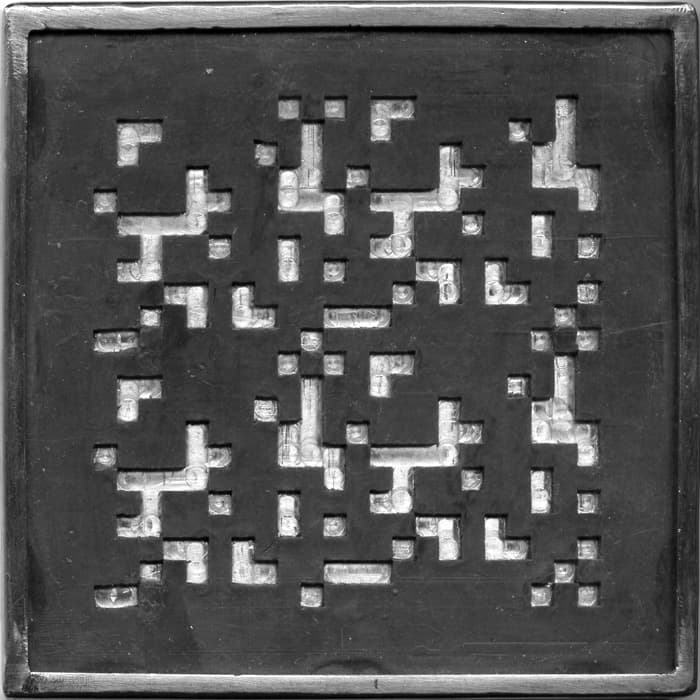
Coded Aperture: Imaging Without a Lens
A coded aperture images radiation that can't be focused, like X-rays. Instead of a lens, it uses a patterned mask to cast a complex shadow, which is then mathematically decoded into an image. It's crucial for X-ray astronomy.
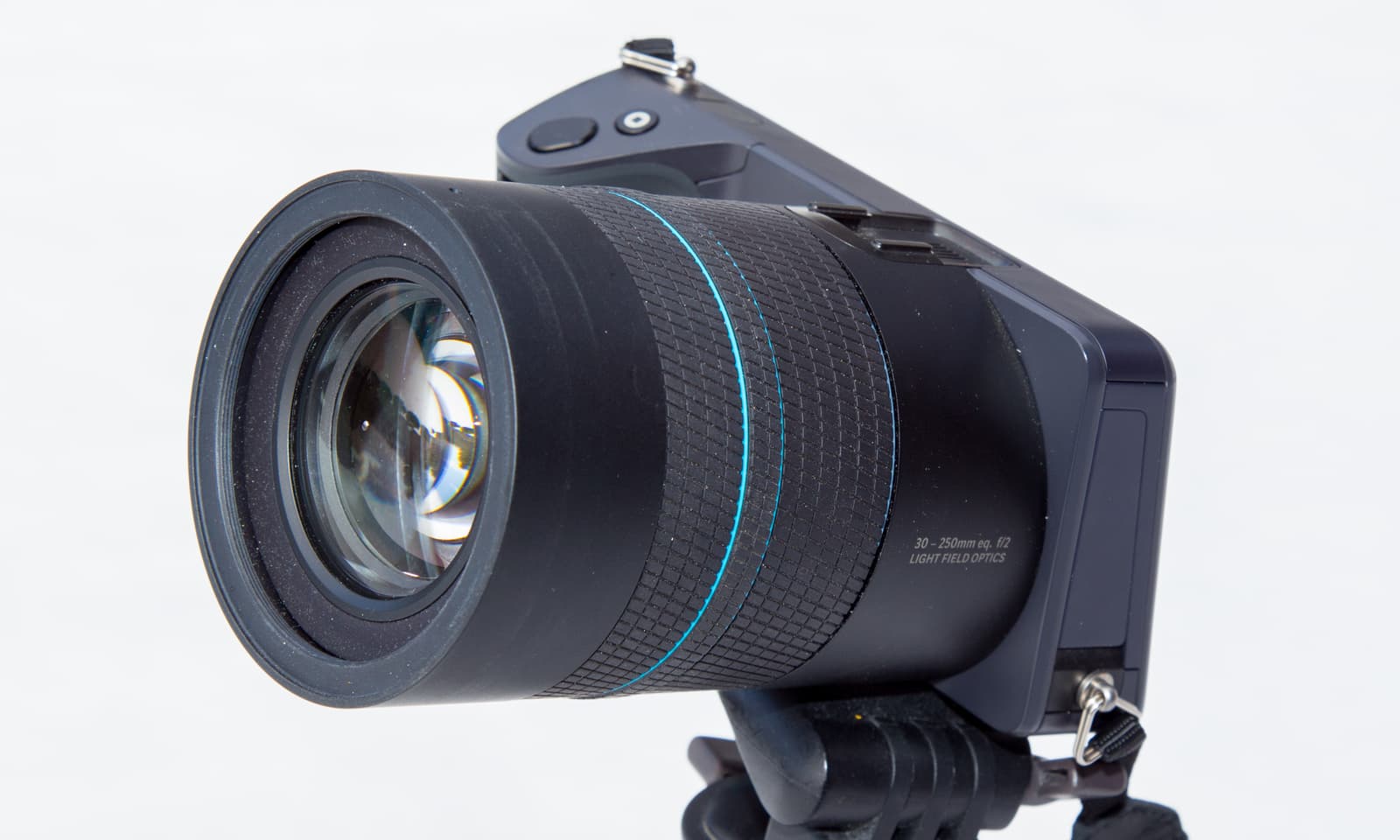
Light Field Photography: Capturing Light's Direction
A light field camera captures not just what light hits the sensor, but where it came from. It records both the intensity and direction of every ray, unlike conventional cameras that only see intensity. The footgun is thinking it's just a better 2D camera.
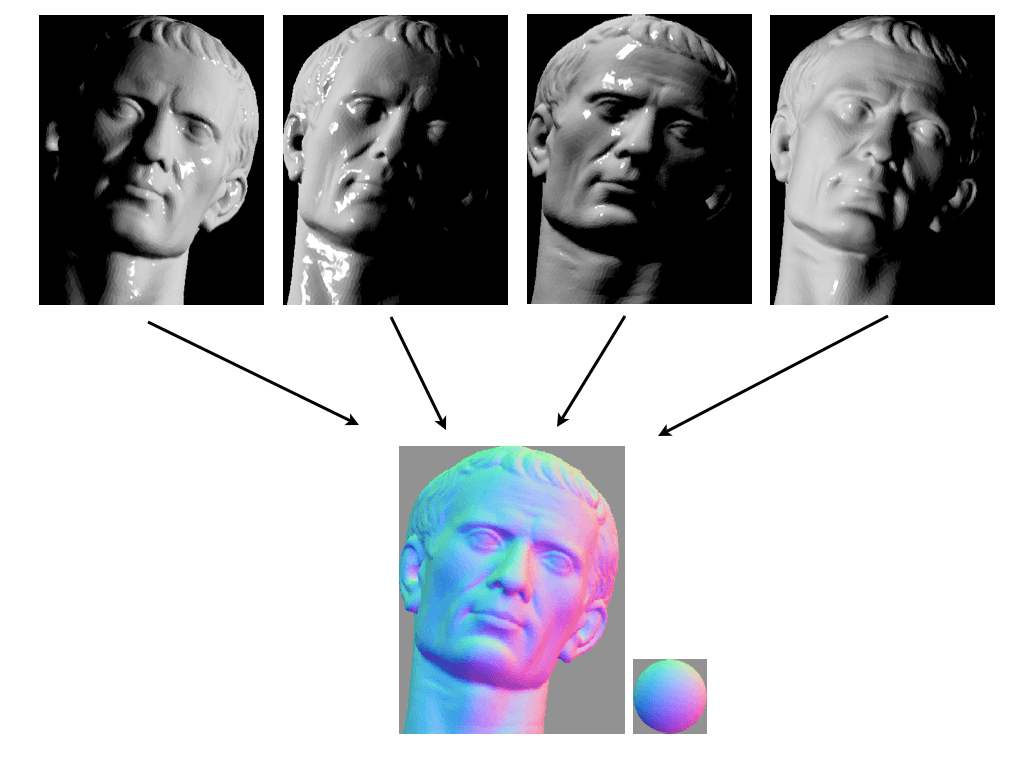
Photometric Stereo: Reconstructing Shape from Light
Photometric stereo deduces an object's 3D shape by watching how its surface reflects light from different directions. It’s used in industrial inspection and computer graphics to capture detailed surface geometry. The footgun is assuming it works on any object.
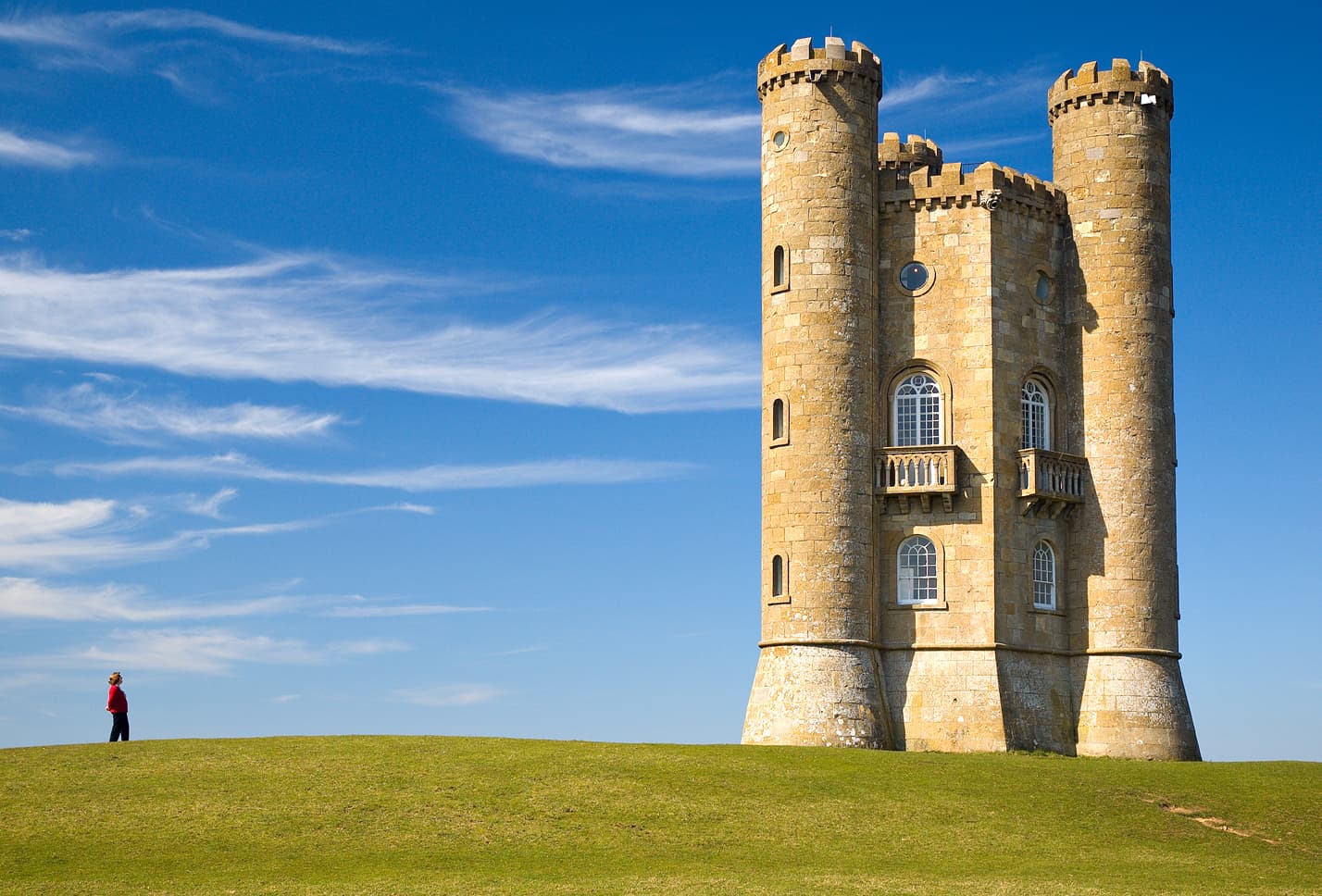
Seam Carving: Resizing Images Without Distortion
Seam carving resizes images by removing or adding pixel "seams" of low importance, not by squashing or cropping the whole frame. It's used in content-aware tools to change aspect ratios without distorting key subjects like faces or buildings.