More in AI & ML — page 51
Visual Servoing: Using Eyes to Guide a Robot's Hands
Visual servoing is like how you reach for a cup: your eyes guide your hand. A robot uses a camera to continuously correct its motion toward a target, closing the loop between seeing and doing. It's key for robotic arms, drones, and surgical bots.
Scene Graph Generation: From Pixels to Relationships
Scene Graph Generation (SGG) moves beyond just finding objects in an image; it maps out the relationships between them. This enables deeper scene understanding for tasks like advanced image search.
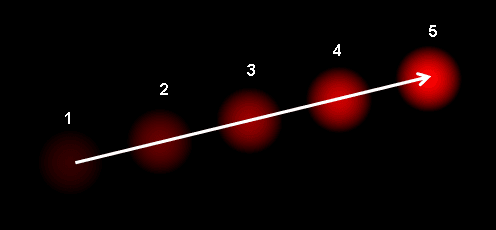
Visual Odometry: Estimating Motion from Pixels
Visual odometry is dead reckoning with a camera. It estimates movement by tracking how features shift between images, without GPS or maps. It's used in robotics and AR, but its biggest footgun is that small errors accumulate, causing it to drift over time.

Visual Question Answering (VQA): Teaching AI to See and Reason
VQA models combine vision and language to answer questions about an image, like a visual Turing test. It's used in assistive tech and advanced image search. The footgun is models learning to answer based on language patterns, not visual content.

Scene Parsing: Labeling Every Pixel in an Image
Scene parsing is like digital coloring-by-numbers, assigning a category like 'road' or 'sky' to every pixel. It's used by autonomous vehicles to understand the road and AR apps to place objects.
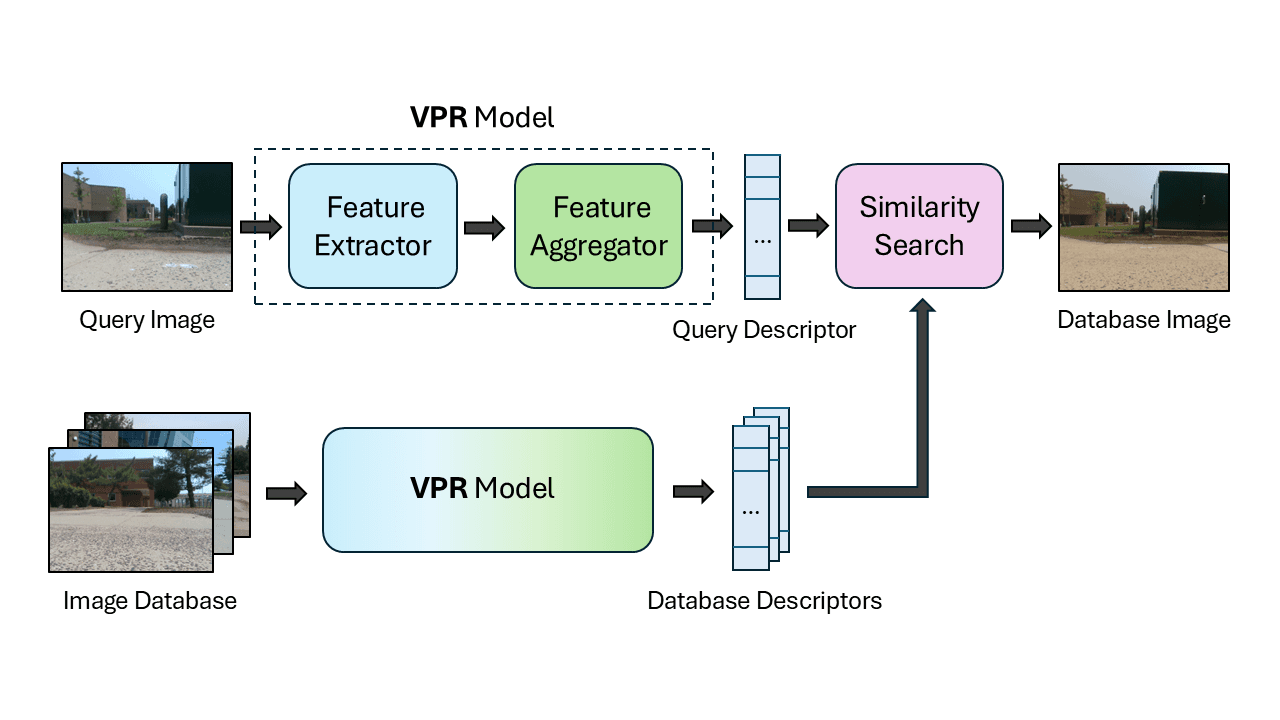
Visual Place Recognition: Finding Your Location from a Picture
Visual Place Recognition (VPR) answers "Where am I?" by matching a live camera image to a database of pre-recorded pictures. It's a visual GPS for robots and self-driving cars to find their position when GPS is unreliable, like in cities or indoors.
Image Captioning: Teaching Machines to Describe What They See
Image captioning teaches a computer to generate a human-readable sentence describing an image, translating pixels into words. This powers accessibility features and better image search.
GAN Inversion: Editing Real Photos with Fake Image Generators
GAN Inversion finds the latent code "recipe" inside a pre-trained GAN that best recreates a real image. This lets you use a generator's powerful editing features on real photos for tasks like manipulation or restoration.
Normalizing Flows: Shaping Simple Distributions into Complex Ones
Normalizing flows transform a simple probability distribution, like a Gaussian, into a complex one, like images. This allows generative models to explicitly calculate the probability of any data point. The footgun is that the transformation must be invertible.
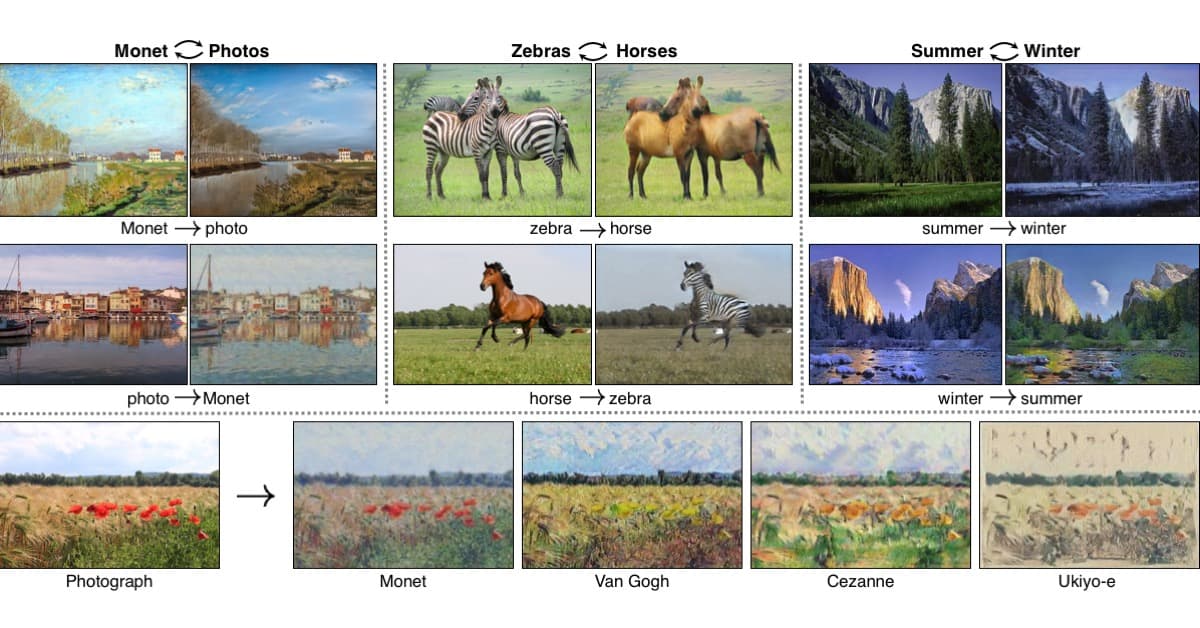
CycleGAN: Image Translation Without Paired Data
CycleGAN translates images between domains (e.g., photos to paintings) without direct 'before' and 'after' examples. It's used for style transfer or turning horses into zebras. The footgun is that it hallucinates details, making it unsafe for critical tasks.
Perceptual Loss: Judging Images by Vibe, Not Pixels
Perceptual loss judges an AI-generated image by its 'vibe,' not just pixel-for-pixel accuracy. It compares high-level features, making it key for style transfer and super-resolution.
CLIP: Teaching AI to See with Words
CLIP creates a shared map for images and text, letting you classify images with natural language prompts. It's used for zero-shot classification and semantic search, bypassing the need for task-specific labeled data.
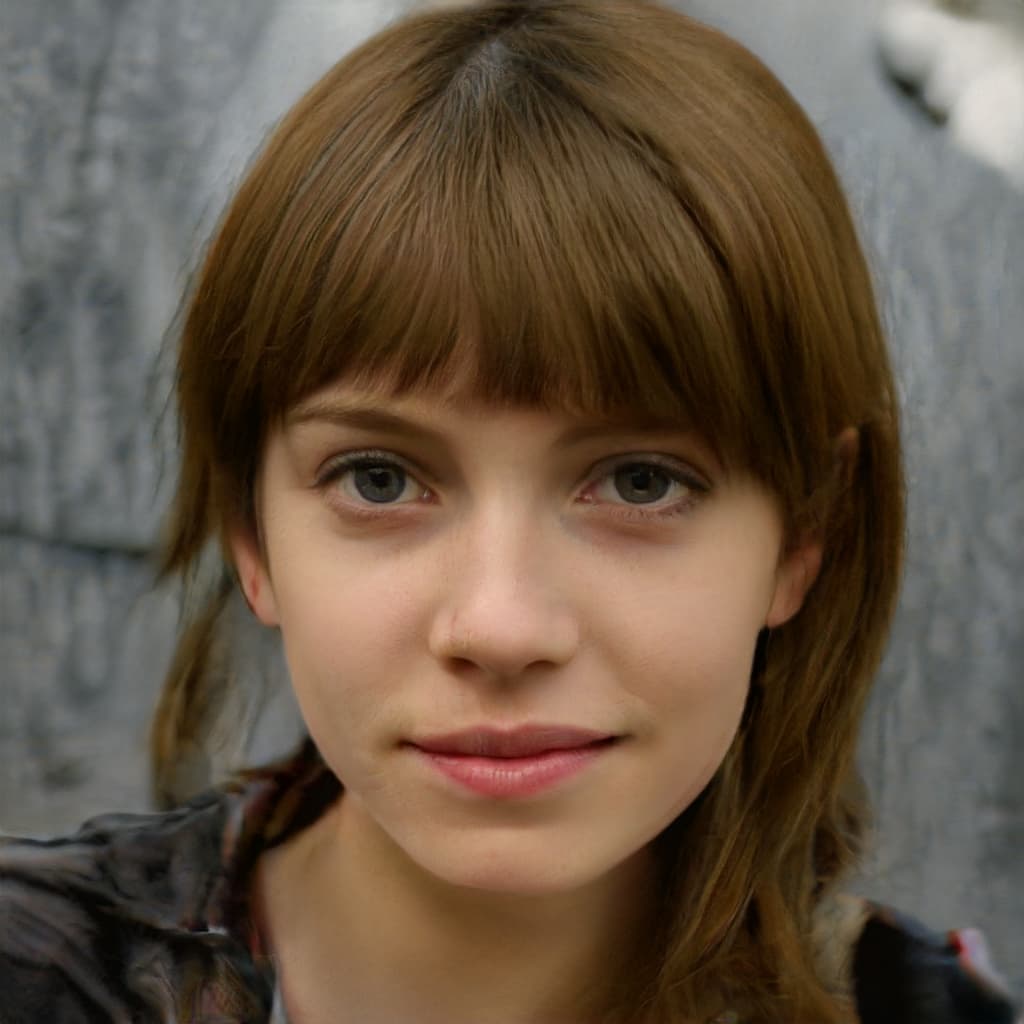
StyleGAN: Controllable, High-Fidelity Image Generation
StyleGAN generates images by controlling 'style' at different levels, like a painter layering coarse, medium, and fine details. It excels at creating hyper-realistic images with tunable features.
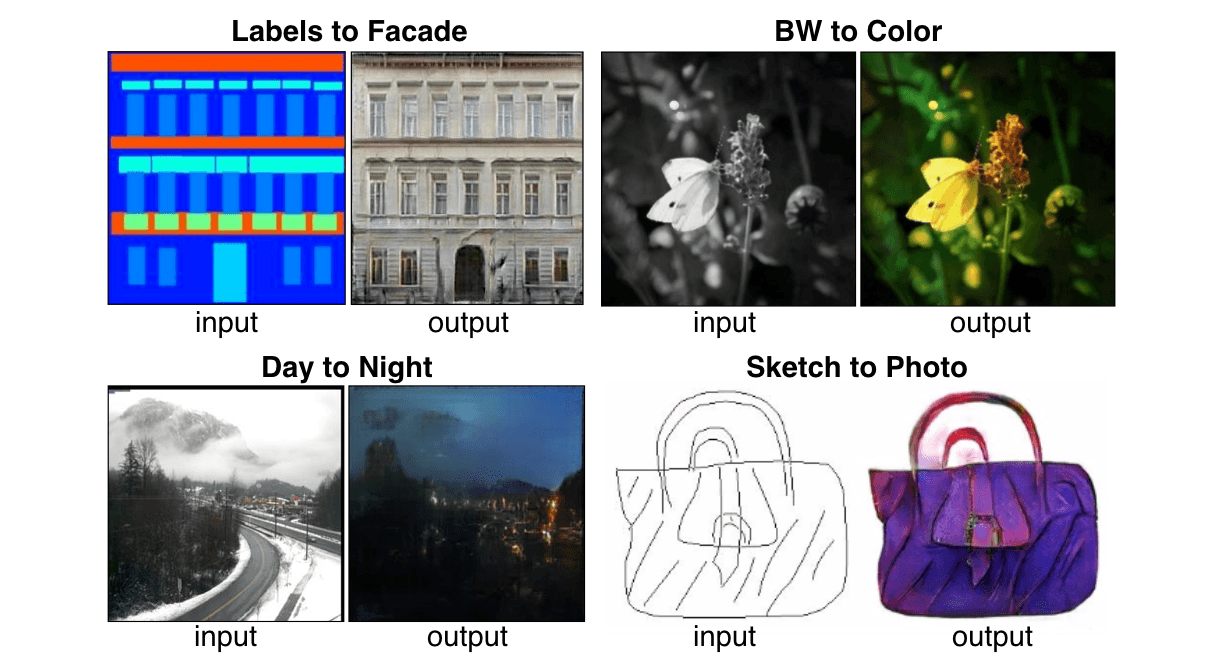
Image-to-Image Translation: One Model, Many Styles
Think of it as a universal visual translator. Given paired examples, it learns to convert one image style to another, like turning a building sketch into a photorealistic rendering. The footgun: it needs a large, aligned 'before-and-after' dataset.
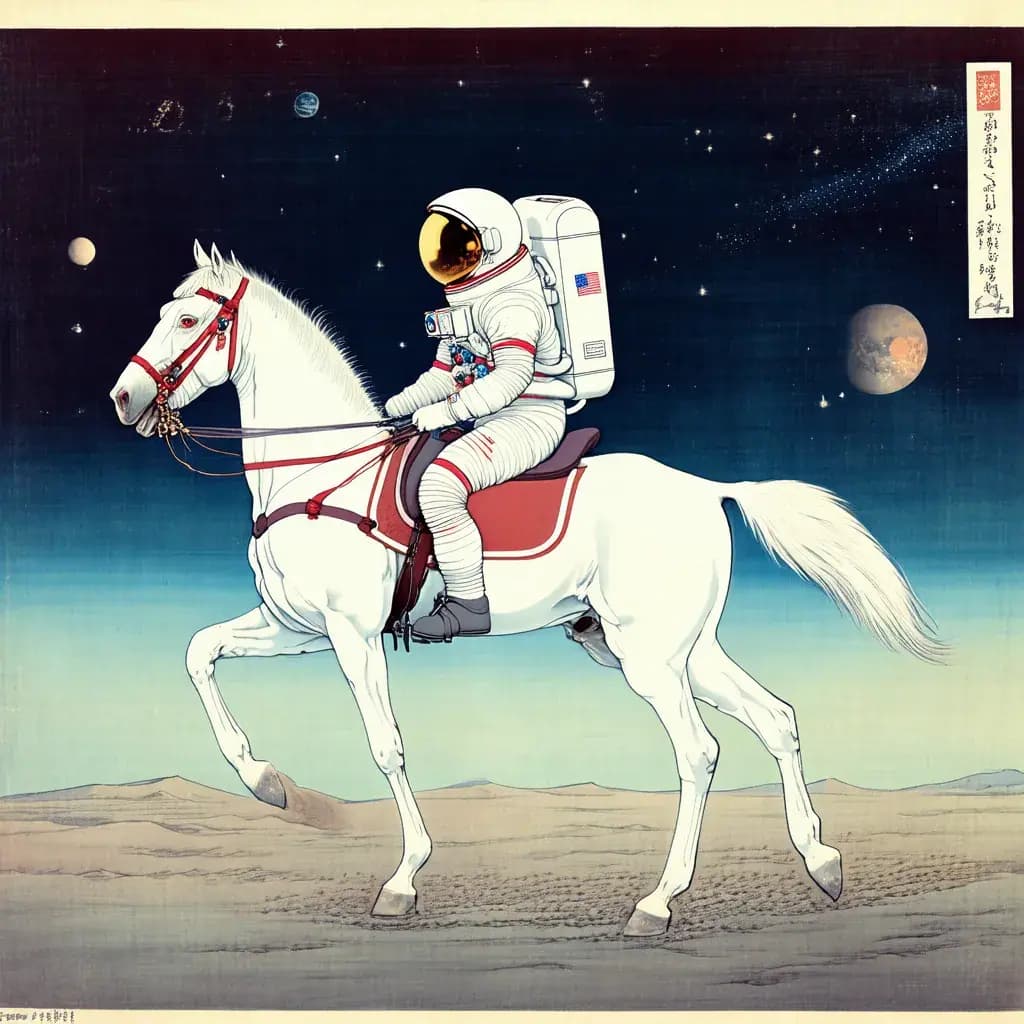
Text-to-Image Generation: From Words to Pixels
Text-to-image models act like a digital artist, translating language into visuals. They're used to create art, marketing materials, and prototype designs. The main footgun is prompt ambiguity, which can lead to bizarre or nonsensical images.
Latent Space: A Map Where Distance is Similarity
A latent space is a map of concepts where distance equals similarity. Similar items are clustered together, which powers image generation and recommendation engines. The footgun is that the map's dimensions are abstract, not human-interpretable features.
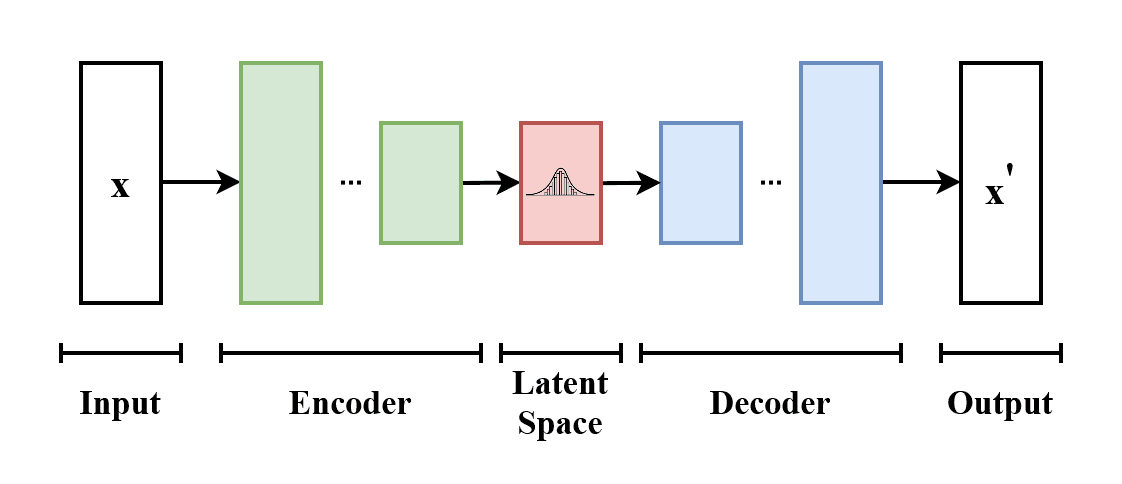
Variational Autoencoders: Learning to Generate Data
A VAE learns to create new data by compressing examples into a "latent space" of core features and then decoding from it. It's used for generative art and data augmentation, but its outputs can be blurrier than those from other models like GANs.
Diffusion Models: Generating by Reversing Noise
Diffusion models generate data by learning to reverse a process of adding noise. They power state-of-the-art image generation (DALL-E 2, Stable Diffusion). The main footgun is that their iterative sampling process is slow and computationally expensive.
NeRF: Turning 2D Photos into a Walkable 3D Scene
A Neural Radiance Field (NeRF) learns to be a 'ray-tracing oracle' for a scene, predicting color and density from any angle. It's used to create walkable 3D experiences from 2D photos. The footgun: NeRFs can't invent details not in the source images.
MLP-Mixer: Vision Without Convolutions or Attention
MLP-Mixer shows that simple MLPs can achieve strong vision results, challenging the need for convolutions or attention. It works by alternating between mixing features within image patches and mixing information across patches.