Intermediate concepts in Product Management, page 4
PPC: Buying Intent, Not Attention
PPC buys intent, not attention: you bid to appear when someone searches for what you sell, paying only if they click. Use it for high-intent offers like B2B software where organic reach is slow.

GDPR: Treating User Data as a Liability, Not an Asset
GDPR treats personal data as a liability borrowed from the user. It gives EU citizens strong rights over their data, like access and erasure, forcing any company processing it to comply. The footgun is assuming it doesn't apply if your company isn't in the EU.
Affiliate Marketing: Your Extended, Commission-Only Sales Team
Affiliate marketing is like having a commission-only sales team. You pay partners for actual results—sales or signups—not just for ad views. It's used by e-commerce stores with bloggers or SaaS companies rewarding referrals.
Referral Marketing: Turning Customers into a Sales Force
Referral marketing turns happy customers into a trackable sales force. Instead of just hoping for word-of-mouth, you actively incentivize users to refer friends. The footgun is treating it as a passive process rather than an active, trackable campaign.
Display Advertising: Renting Billboards on the Web
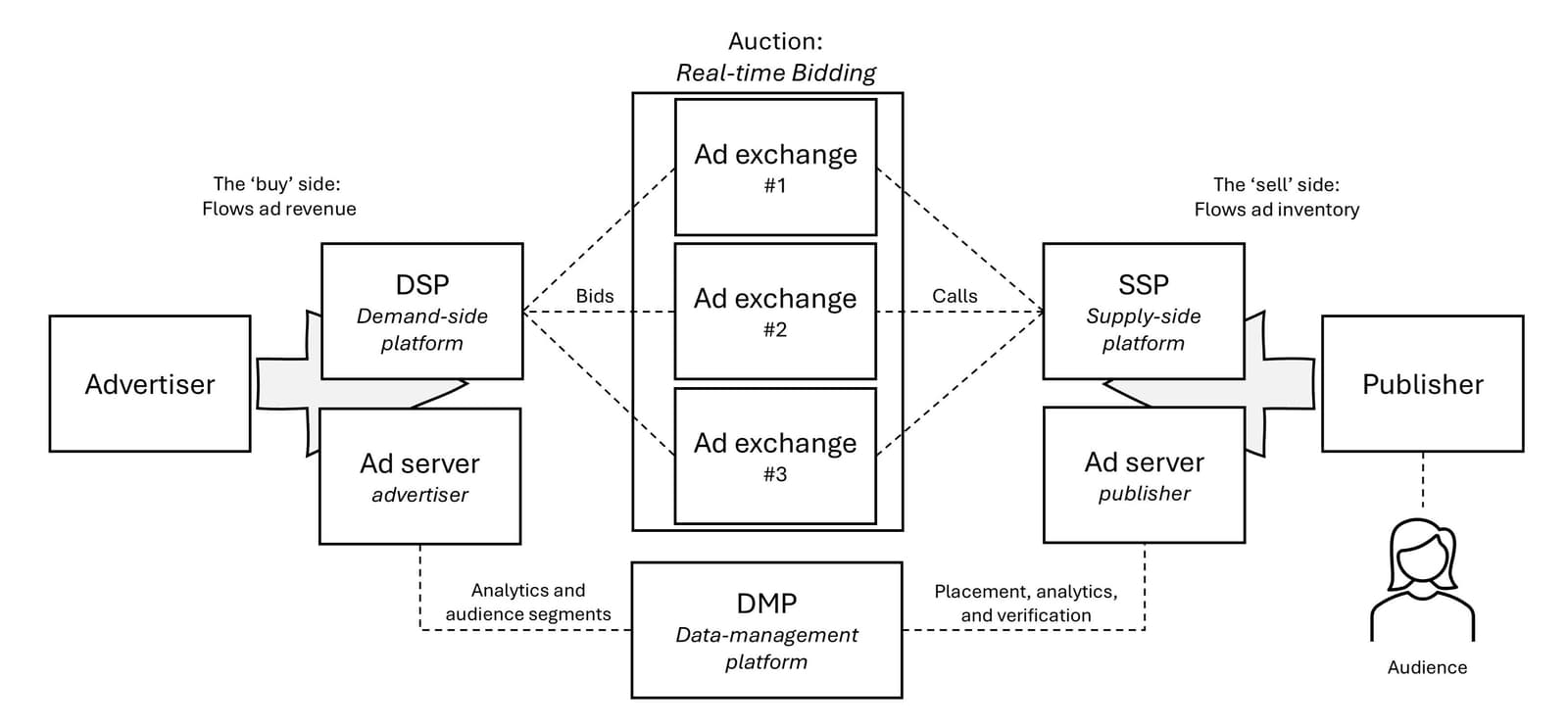
Display advertising is like renting billboards on third-party websites, using banners and videos to reach users where they are. It's used for brand awareness and retargeting. The footgun: judging success by clicks alone ignores its value in brand lift.
App Store Optimization (ASO): SEO for Mobile Apps
ASO is SEO for app stores, aiming to get your app seen and downloaded organically. It involves optimizing keywords, screenshots, and reviews to rank higher in search and charts.
T-Shaped Skills: Deep Expertise, Broad Collaboration
T-shaped skills describe a professional with deep expertise in one area (the T's vertical bar) and the ability to collaborate across others (the horizontal bar). This is vital in agile teams where cross-functional work is constant.

Points of Parity: First Be 'Good Enough,' Then Be Different
Points of Parity are the 'good enough' features a product needs to even compete. Before you can win with your unique Points of Difference, you must first meet these basic expectations. The footgun is ignoring parity and being disqualified by default.
Cost Per Mille (CPM): The Price of 1,000 Ad Impressions
CPM is the price for 1,000 ad impressions, a common metric for brand awareness campaigns. It's like buying billboard space online. The footgun is confusing low cost with high value; CPM measures exposure, not engagement or conversion.
Collective Code Ownership: The Team Owns the Code
Collective code ownership treats the entire codebase as team property; anyone can change anything. This prevents bottlenecks in agile teams, especially during refactoring.
Product Differentiation: Standing Out in a Crowded Market
Product differentiation is making your product uniquely distinct for a specific audience, not just objectively 'better'. It's how a new phone brand might focus on privacy to avoid competing on price alone.

Pair Programming: Two Heads, One Keyboard
Think of pair programming as a continuous code review. One developer (the Driver) writes code while the other (the Navigator) reviews it in real-time. This is often used for complex tasks or onboarding. The footgun is letting one person dominate the keyboard.
Crossing the Chasm: From Early Hype to Mainstream Success
“Crossing the Chasm” is the dangerous gap between a tech product's first enthusiastic users and the pragmatic majority needed for real scale. It explains why products with initial hype fail.
The Feature-Benefit-Value Ladder: Selling Outcomes, Not Specs
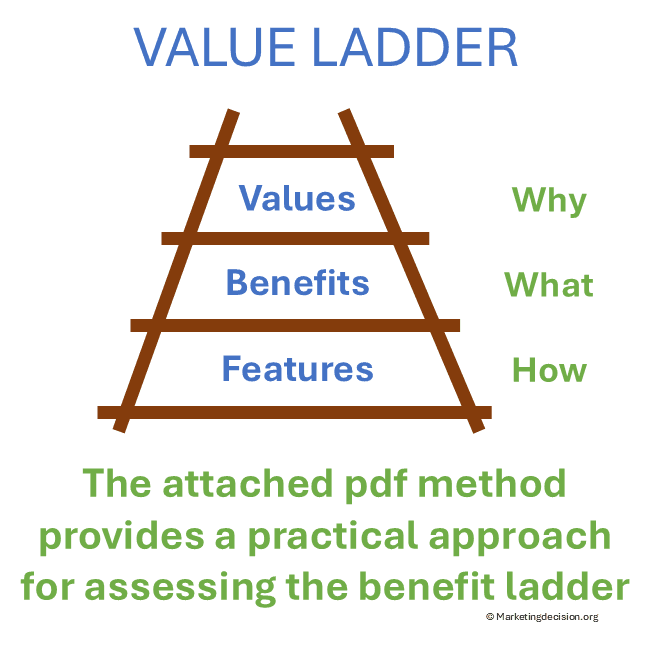
The Feature-Benefit-Value Ladder connects product specs to the outcomes customers truly want. It's used to prioritize features and craft messaging that links to core values.
Data Aggregation: The Big Picture from Small Details
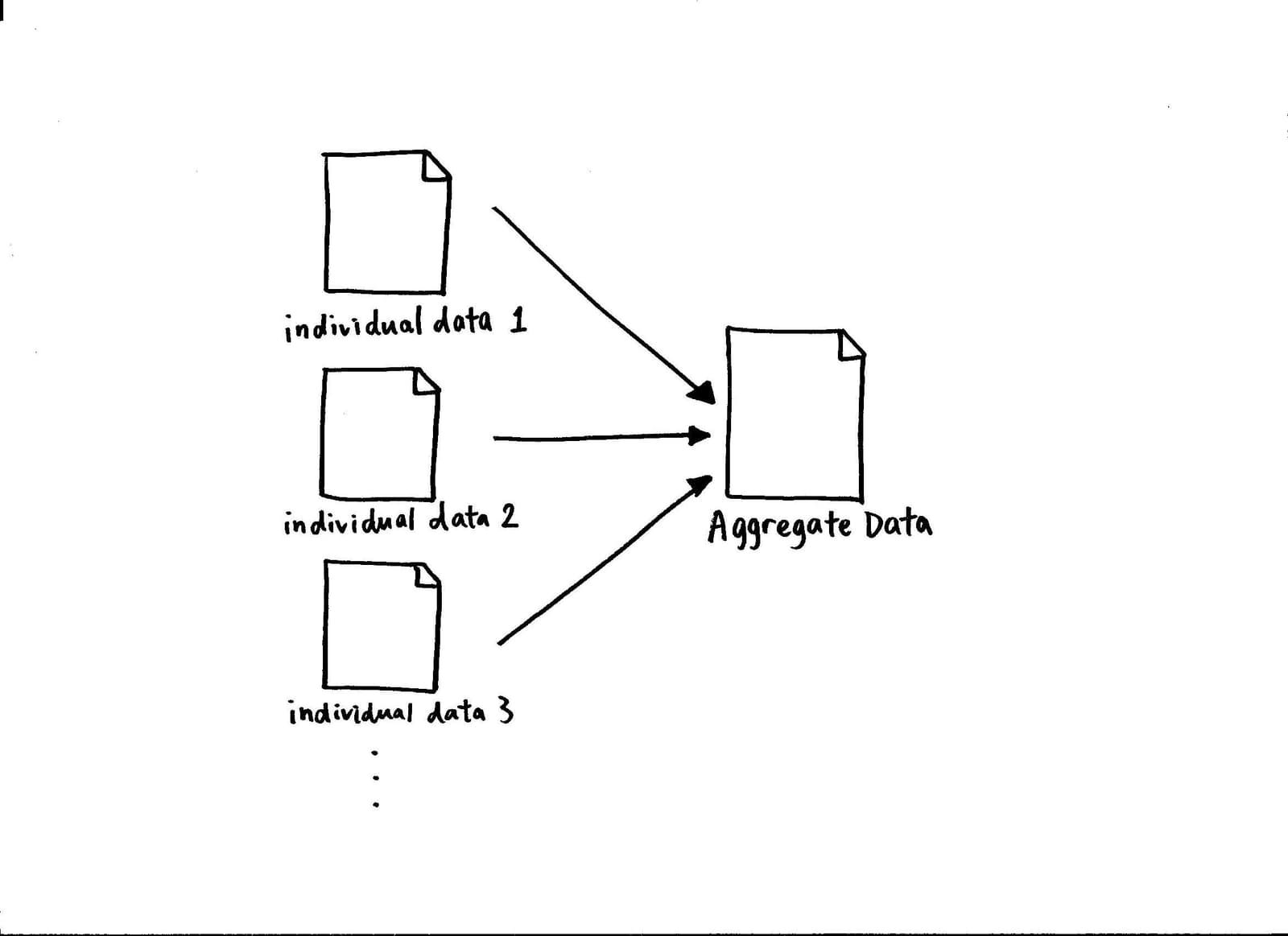
Data aggregation rolls up granular records into high-level summaries, like turning individual sales logs into a daily sales report. It's used to power dashboards and speed up warehouse queries.
Niche Market Strategy: Big Wins in Small Ponds
A niche strategy means dominating a small, well-defined market instead of fighting for a slice of a large one. It's used by startups to gain a foothold or by large firms launching specialized products. The footgun is picking a niche too small to be profitable.
Drill-Down Analysis: From Summary to Specifics
Drill-down analysis moves from a high-level data summary to the granular details composing it. It's used in dashboards to investigate a metric's change, like clicking a monthly sales dip to see daily figures.
Cross-Tabulation: Finding Relationships in Your Data
Cross-tabulation reveals how two variables are related by counting their joint occurrences in a grid. It's key for survey analysis or A/B testing. The footgun is assuming correlation implies causation; the table shows a relationship, not its cause.

Ad Hoc Reporting: Answering One-Off Business Questions
Ad hoc reporting is your data "quick dive" for one-off questions, unlike static dashboards. A sales team might use it to see how a holiday affected regional sales.
Customer Lifetime Value (LTV): Predicting Future Customer Profit
LTV predicts the total net profit a customer will generate over their entire relationship with you. It guides how much to spend on acquiring customers (CAC) and helps identify your most valuable segments. The footgun: LTV is profit, not revenue.
We are hiring for this. Every open role lists the topics its interview covers, so you can prepare for the real thing rather than guessing.
See open roles