Concepts in Product Management, page 22

AARRR: Pirate Metrics for the Customer Lifecycle
The AARRR framework maps your customer's journey through five key stages: Acquisition, Activation, Retention, Referral, and Revenue. It helps startups diagnose leaks in their growth funnel, from first visit to final sale.
ARIMA: Forecasting by Modeling Autocorrelation
ARIMA models forecast a time series by learning its "memory"—how past values influence the next. It's used for forecasting sales or server load where patterns are driven by internal dynamics.
Force-Field Analysis: Map the Tug-of-War of Change
Force-Field Analysis visualizes a decision by mapping 'driving forces' (pros) against 'restraining forces' (cons). Use it to gauge the viability of a change, like a new project. The main footgun is listing forces without scoring their relative strengths.
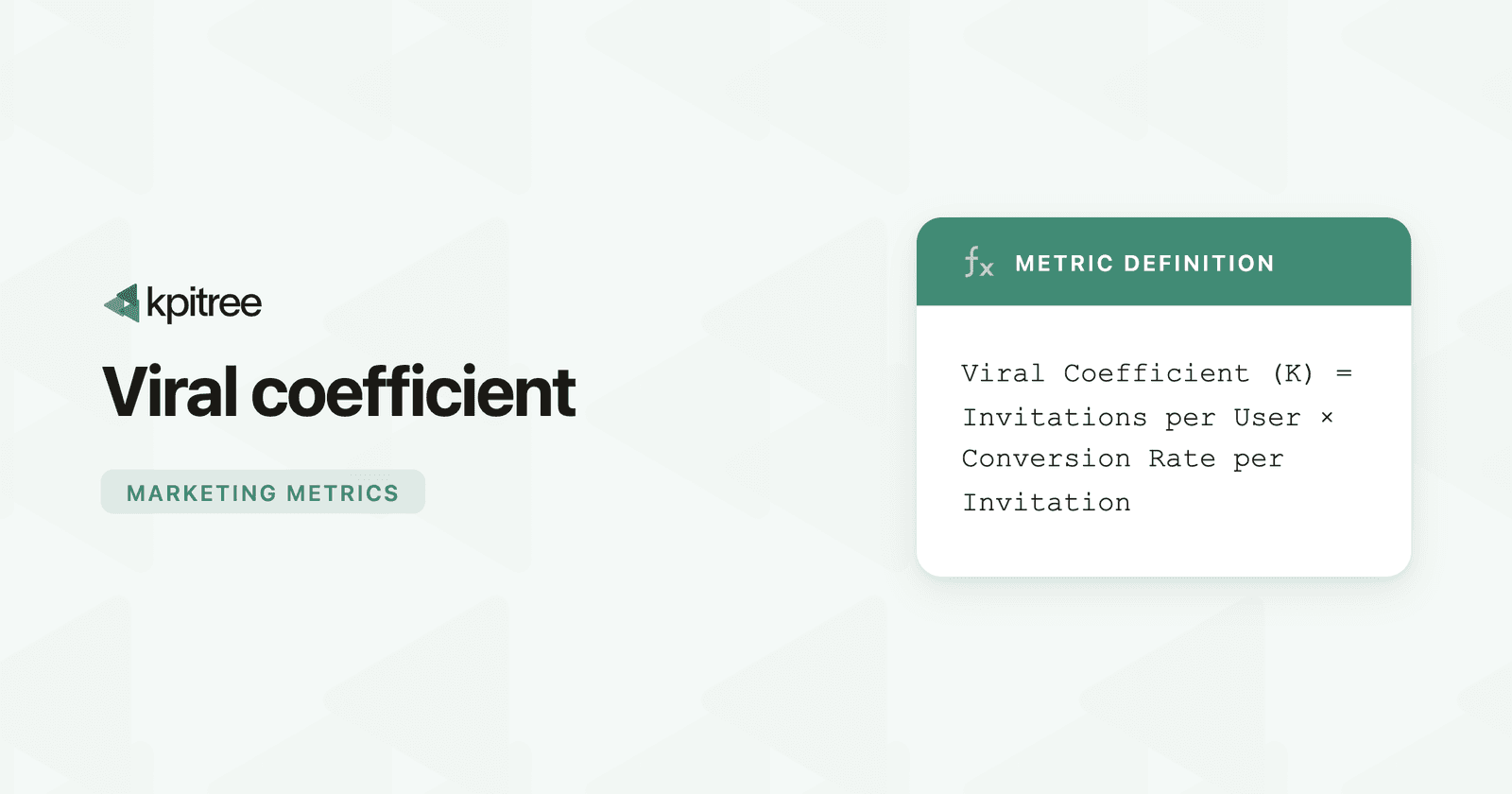
The K-Factor: Measuring Your Product's Viral Growth
The Viral Coefficient (K-factor) measures how many new users each existing user generates. It's key for products with referrals or sharing. The common mistake is chasing K > 1; even K=0.5 is valuable, as it effectively halves your acquisition cost.

Granger Causality: Forecasting, Not Causing
Granger Causality tests if one time series can forecast another, not if it causes it. It's used in econometrics to see if money supply changes predict inflation. The footgun is the name itself: it only shows predictive power, not true cause-and-effect.
Takt Time: Your Customer's Production Rhythm
Takt time is the production rhythm required to meet customer demand—a metronome for your workflow. It's used to design manufacturing lines or software sprints by setting a target pace.
Principled Negotiation: Focus on Interests, Not Positions
Principled negotiation avoids a battle of wills by focusing on shared interests, not rigid positions. It's a method for finding mutually acceptable agreements in conflicts. Use it in business deals or team disagreements.

Instrumentation Plan: Your Analytics Blueprint
An instrumentation plan is the blueprint for what user actions to track. It's like deciding where to put security cameras *before* building, not after a break-in. It's essential for new features and for cleaning up messy analytics.

LSTMs: Giving Neural Networks a Long-Term Memory
LSTMs give neural networks a selective memory, letting them remember important information over long sequences. This is key for language translation or time-series forecasting where old context matters.

Escaped Defects Rate: Measuring What Slips to Production
Escaped Defects Rate is your quality report card from users, measuring the percentage of total bugs that your internal testing missed. Teams use it to gauge QA effectiveness. The footgun is using it to blame individuals, which just encourages hiding bugs.
Executive Presence: The Ability to Inspire Confidence
Executive presence is the ability to inspire confidence in your team, peers, and superiors. It's the 'X-factor' that gets you chosen for senior roles and high-stakes projects.
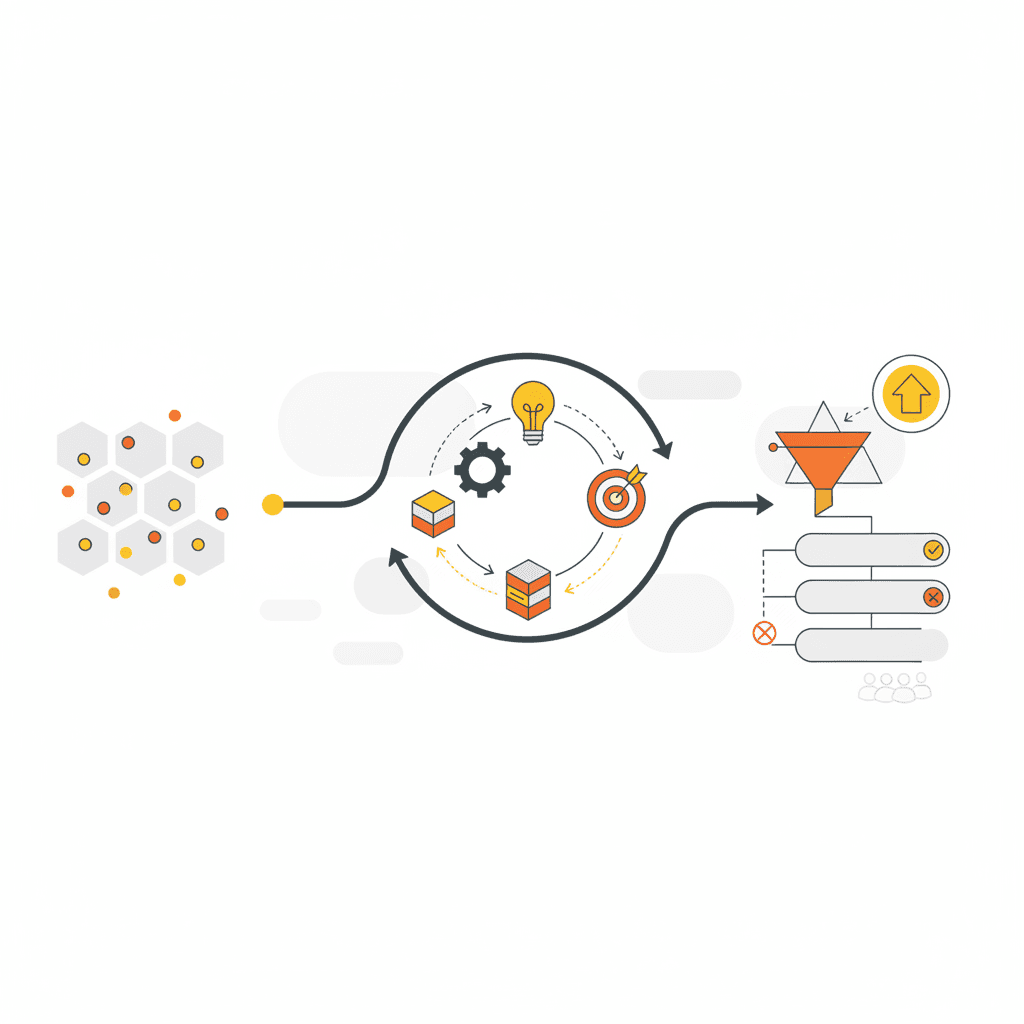
Managing Growth with an Experiment Backlog
An experiment backlog is a prioritized list of testable ideas that turns strategy into action. Agile teams use it to manage projects, using business intelligence to measure performance and ensure ideas deliver value. The footgun is a lack of governance.
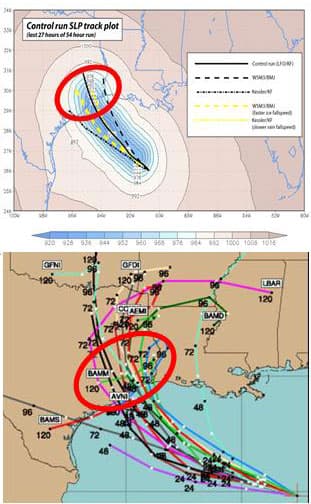
Ensemble Forecasting: Predicting with a Crowd of Models
Instead of one 'best guess,' ensemble methods generate many forecasts to map the range of possibilities. This is crucial for complex systems like weather prediction, where a single model is misleadingly precise.
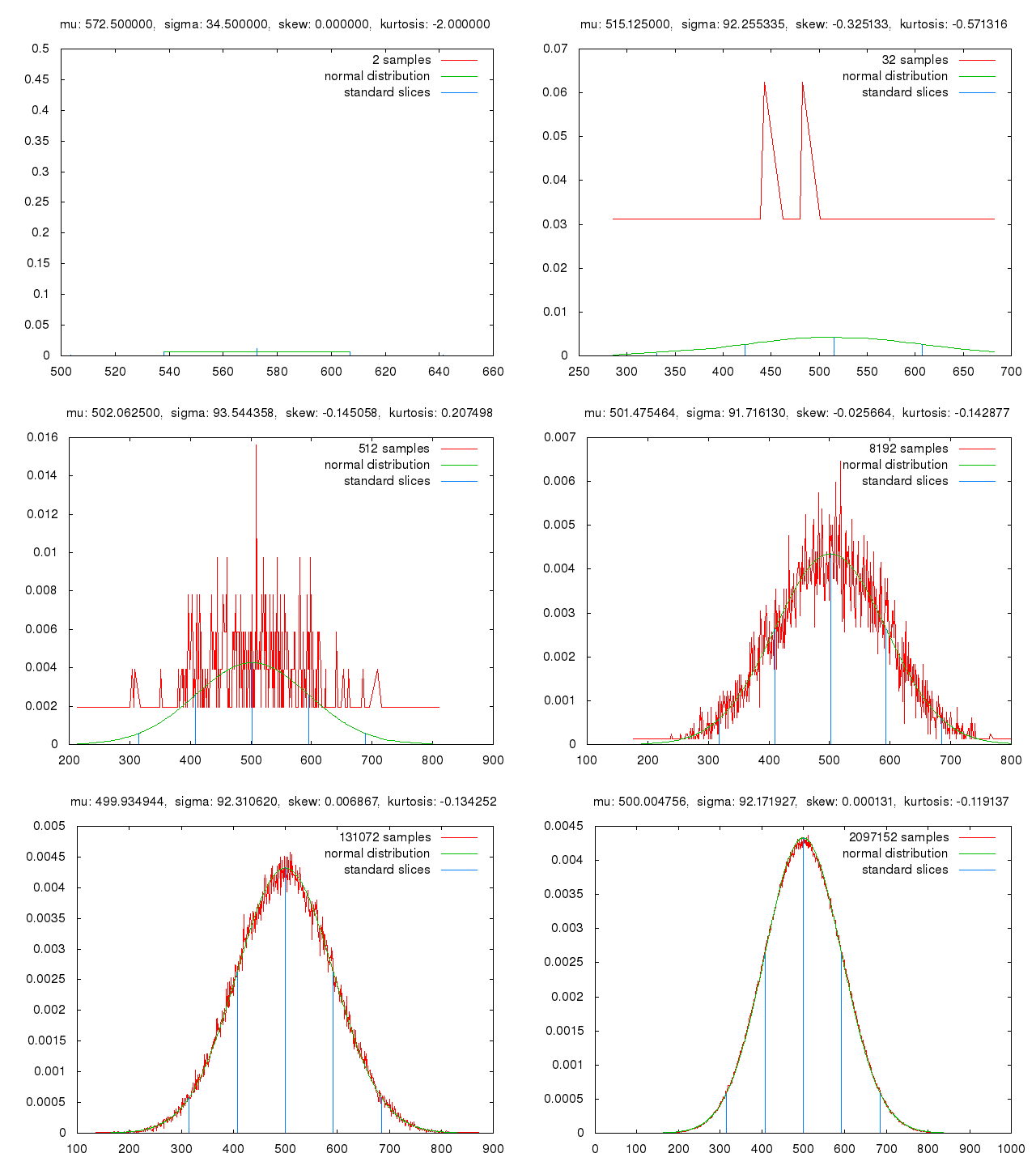
Monte Carlo Forecasting: Probabilities, Not Promises
Monte Carlo forecasting trades a single due date for a set of probabilities. By running thousands of random simulations based on past performance, it generates a range of likely completion dates, not a single guess.
Principle of Charity: Argue the Strongest Case
The Principle of Charity means engaging with the strongest possible version of a colleague's argument, not the weakest. Use it in design reviews to find the best idea, not just to win the debate. The footgun is straw-manning an idea to easily knock it down.

The PIE Framework: Prioritizing What to Test Next
The PIE framework ranks A/B test ideas by scoring them on Potential, Importance, and Ease. It helps teams decide where to experiment first, focusing limited resources on high-impact changes.
Customer Acquisition Cost: What It Costs to Win a Customer
Customer Acquisition Cost (CAC) is the total price you pay in sales and marketing to get one new customer. Businesses use it to see if their model is viable by comparing it to customer lifetime value (LTV). The footgun is forgetting to include all costs.
Flow Debt: The Hidden Cost of Workflow Inefficiency
Flow Debt is the invisible cost of process bottlenecks that slow down delivery. It shows up as work waiting for handoffs, reviews, or decisions. The footgun is blaming individuals for system-level delays instead of optimizing the workflow itself.
MRR: The Subscription Heartbeat
MRR is the monthly pulse of a subscription business. SaaS teams use it to forecast growth and measure churn. Counting one-time fees or annual contracts without proration inflates the metric and misleads stakeholders.
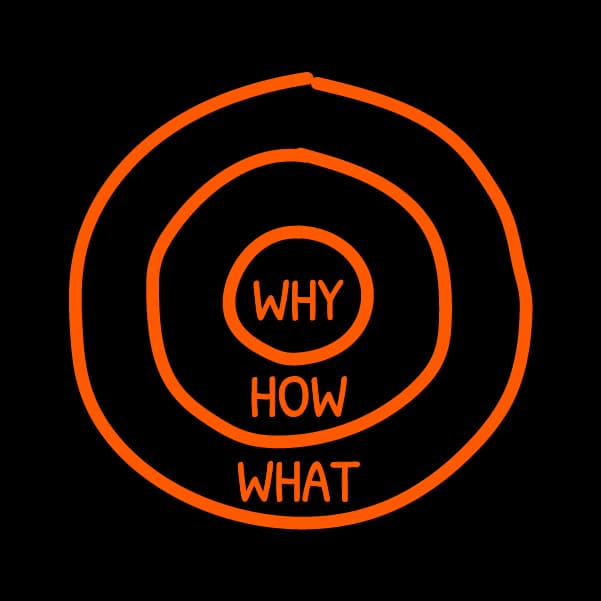
The Golden Circle: Leading with Why
The Golden Circle is a framework for inspiring action by communicating from the inside out: starting with your purpose (Why), then your process (How), and finally your product (What). It's used to build loyalty by connecting on belief, not just features.
We are hiring for this. Every open role lists the topics its interview covers, so you can prepare for the real thing rather than guessing.
See open roles