Advanced everything in UX Research, page 3

Service Blueprint: The Wiring Diagram Behind User Journeys
A service blueprint X-rays the hidden machinery behind a customer journey. Use it for omnichannel services crossing departments. The footgun is producing generic diagrams untethered from a specific business goal like reducing redundancy.
Discourse Analysis in UX Research
Discourse analysis treats language as a design artifact, revealing how users construct meaning. Apply it to interviews and support logs to find unstated needs. Footgun: mining for confirming quotes rather than analyzing how the narrative is built.
Grounded Theory: Build Theory from Raw Data
Grounded theory builds hypotheses from data, not from prior assumptions. UX researchers reach for it when exploring messy human behavior without existing models. The footgun: forcing early categories onto data instead of letting patterns emerge inductively.

UX Roadmap: Strategic Alignment for Research Teams
A UX roadmap trades plans for alignment, mapping work across Now, Next, and Future horizons so teams share one North Star. Use it to justify research spend and prevent silos. The footgun is treating it as a static handoff instead of a living ritual.
MaxDiff Analysis: Find True Preferences, Not Just Ratings
MaxDiff finds what people truly value by asking them to pick the "best" and "worst" from a small set, not just rate them. Use it to rank features or messages without the ambiguity of 1-5 scales.
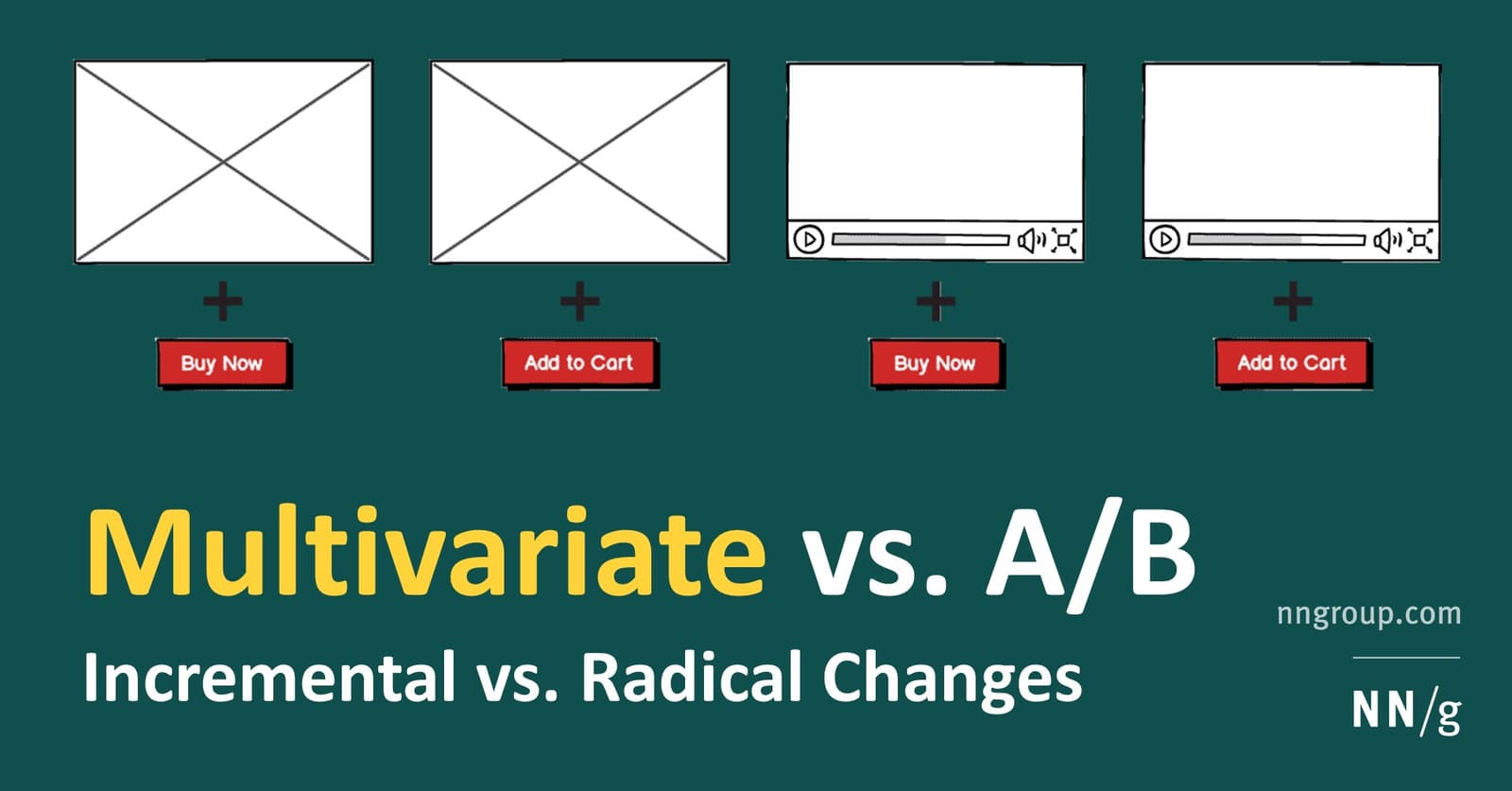
Multivariate Testing: Find Which UI Changes Interact
Multivariate testing finds the best *combination* of UI changes, not just which single design wins. Use it to see how a new headline interacts with a new button on a high-traffic page. The footgun: it requires far more traffic than A/B testing to get a.
Pluralistic Walkthrough: Diverse Roles, One User Task
A pluralistic walkthrough is a group critique where developers, users, and UX pros role-play as end-users to find flaws in a design. It's used early to catch issues cheaply. The footgun is letting developers defend their work instead of listening.
GOMS Model: Predicting User Performance as a Script
The GOMS model predicts expert user performance by breaking down tasks into a script of Goals, Operators, Methods, and Selection rules. It's used to get quantitative estimates of task efficiency, but its footgun is assuming a perfect user who never makes…
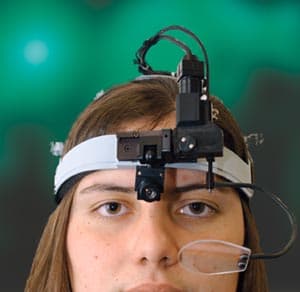
Eye Tracking: See What Your Users Actually See
Eye tracking reveals what users actually look at, not just what they say they do. It's used in UX to generate heatmaps showing which UI elements draw the eye. The footgun: a long gaze can mean interest, but it can also mean confusion.

Desirability Testing: Quantifying User Feelings
Desirability testing quantifies user feelings with a controlled vocabulary, asking them to pick words from a list that describe a design. It measures emotional response to visual appeal or UX, often with just a screenshot.
Cultural Probes: Inspire, Don't Analyze
Cultural probes are like a creative care package for users, designed to capture inspirational moments, not to collect analyzable data. They help designers understand a user's world and values early in a project.
User Mental Models: What Users Believe About Your System
A user's mental model is their internal story of how your system works, based on belief, not facts. It shapes every interaction, from predicting button actions to checkout flows.
Longitudinal Study: Watching Change Over Time
Think of it as a movie, not a snapshot. A longitudinal study tracks the same users over time to see how behavior evolves, revealing cause and effect. It's used to measure long-term feature adoption or churn.
Deception: The Core Concept
Deception is the act of convincing someone of untrue information that the sender knows is false. It's often done for personal gain and relies on the receiver's lack of knowledge about the truth.

GDPR for UX Research: Beyond the Consent Form
GDPR forces you to treat user data with respect: collect only what you need for a specific purpose and keep it safe. It applies to all research involving personal data from EU residents. The biggest footgun is collecting data "just in case."
Institutional Review Board (IRB): Your Research Ethics Checkpoint
An IRB is an ethics committee that acts as a mandatory checkpoint for research involving human subjects. Before running user studies or surveys, especially in academic or medical settings, you must get their approval.

UX Research Repository: Your Team's Shared Brain
A research repository is your team's shared brain for user insights, preventing knowledge from getting lost. It centralizes reports, recordings, and notes, making them searchable to prevent duplicate studies. The main footgun is poor adoption.
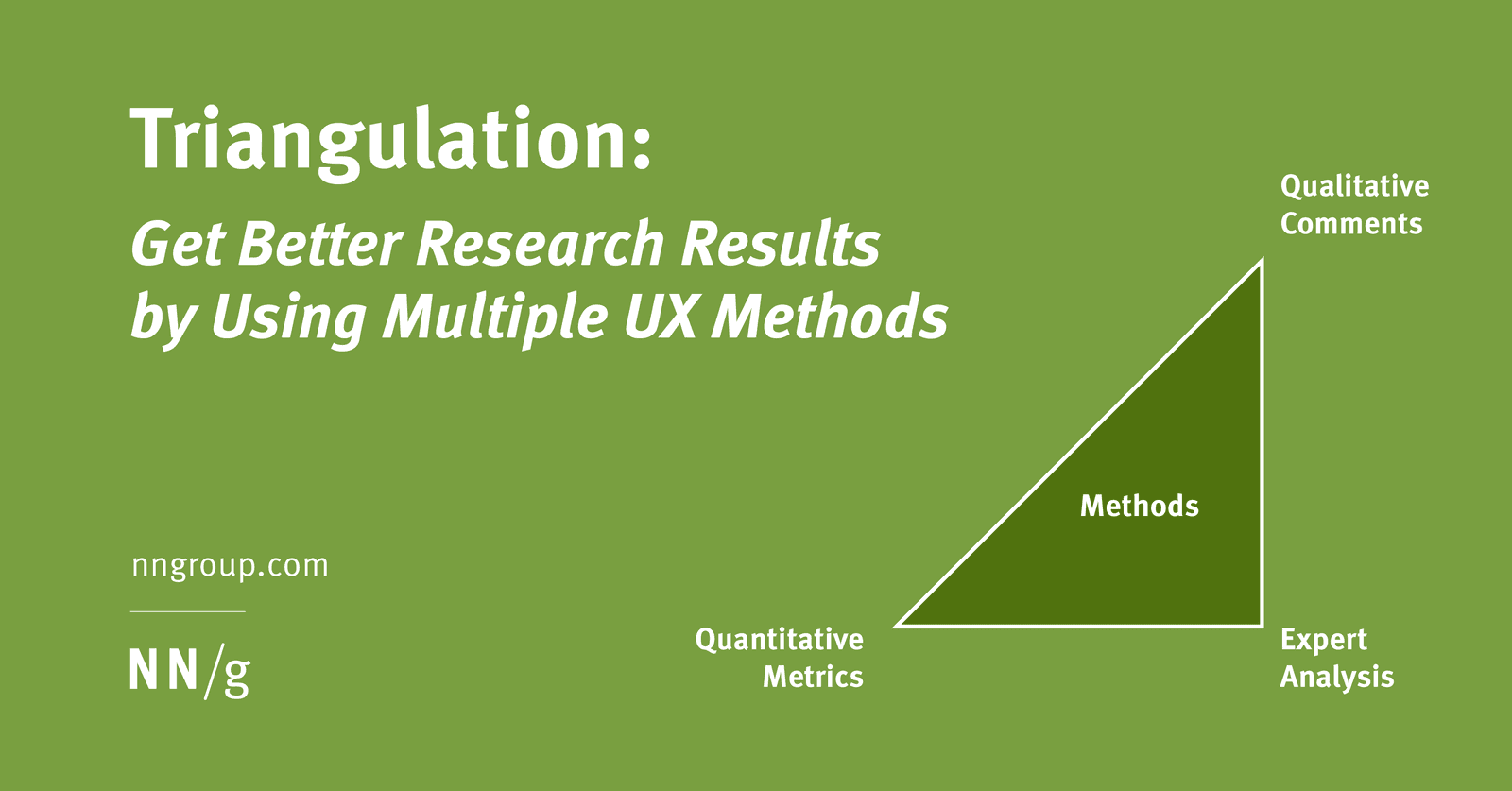
Triangulation: Stronger UX Insights from Multiple Angles
Triangulation strengthens research by combining methods to cover each one's blind spots. For example, pair a quantitative study showing *what* users do with a qualitative one explaining *why*. The footgun is treating a single data source as definitive proof.
UX Ethics: A Professional Code of Conduct
UX ethics formalizes your responsibility to users. It's about centering human well-being, being transparent with data, and actively preventing harm. This guides decisions from research to launch.
We are hiring for this. Every open role lists the topics its interview covers, so you can prepare for the real thing rather than guessing.
See open roles