Everything in UX Research, page 12

Screening UX Research Candidates
Screening surveys separate real users from professional testers and biased insiders before they skew your research. Without manual vetting of screener answers, convenience samples and speedrunners still pollute your design decisions.

UX Roadmap: Strategic Alignment for Research Teams
A UX roadmap trades plans for alignment, mapping work across Now, Next, and Future horizons so teams share one North Star. Use it to justify research spend and prevent silos. The footgun is treating it as a static handoff instead of a living ritual.
The Rainbow Spreadsheet: Collaborative UX Observation
A Rainbow Spreadsheet makes UX research a team sport. It's a shared doc where observers log findings in real-time, with each participant assigned a color. This replaces a slow, formal report and builds shared understanding.
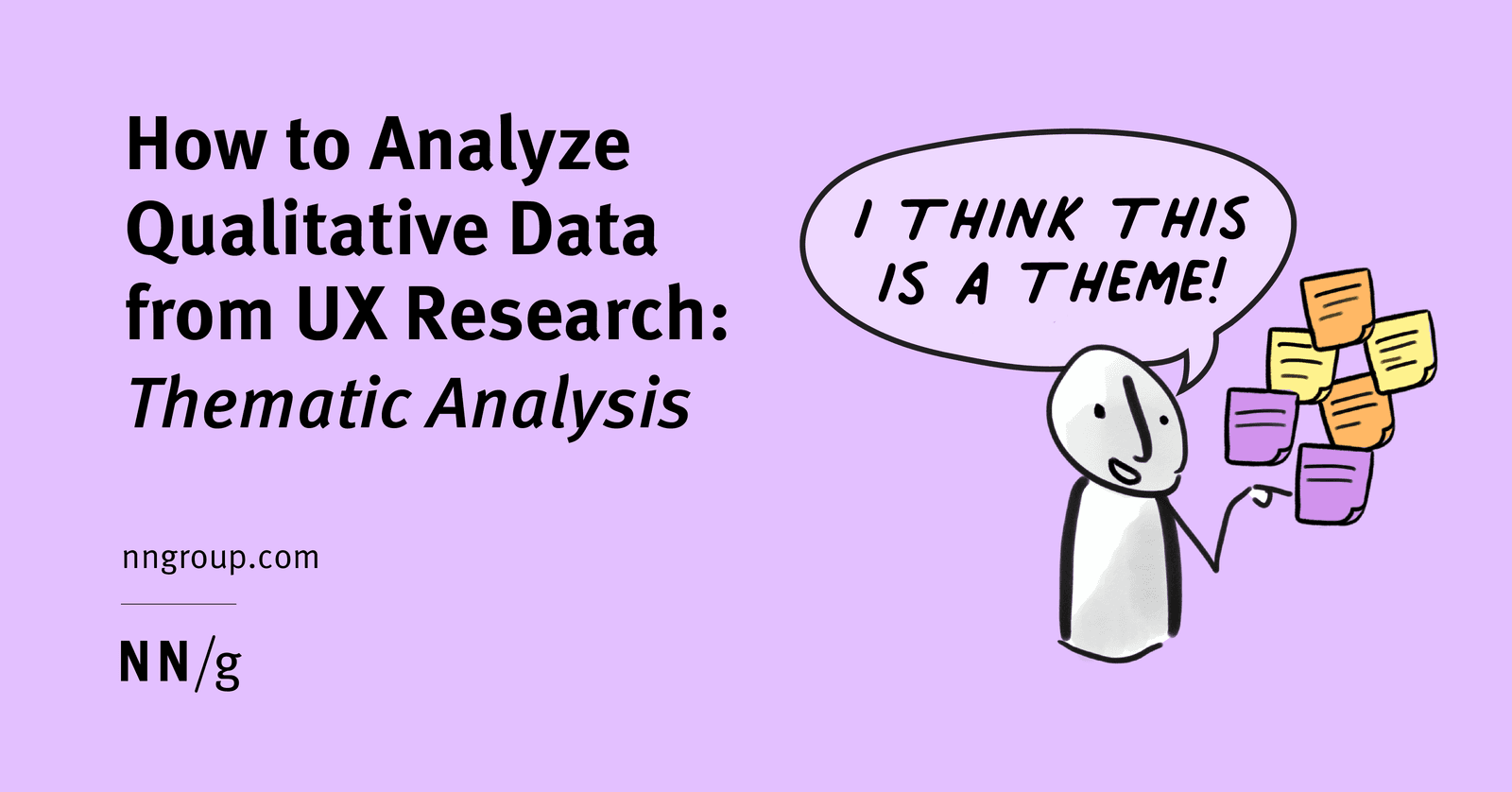
Qualitative Coding: Turning User Chatter into Actionable Themes
Think of thematic analysis as creating a tag cloud for user interviews. It groups raw feedback into meaningful patterns, turning noise into signal. Used after interviews to make sense of transcripts, the biggest mistake is just describing what users said.
MaxDiff Analysis: Find True Preferences, Not Just Ratings
MaxDiff finds what people truly value by asking them to pick the "best" and "worst" from a small set, not just rate them. Use it to rank features or messages without the ambiguity of 1-5 scales.
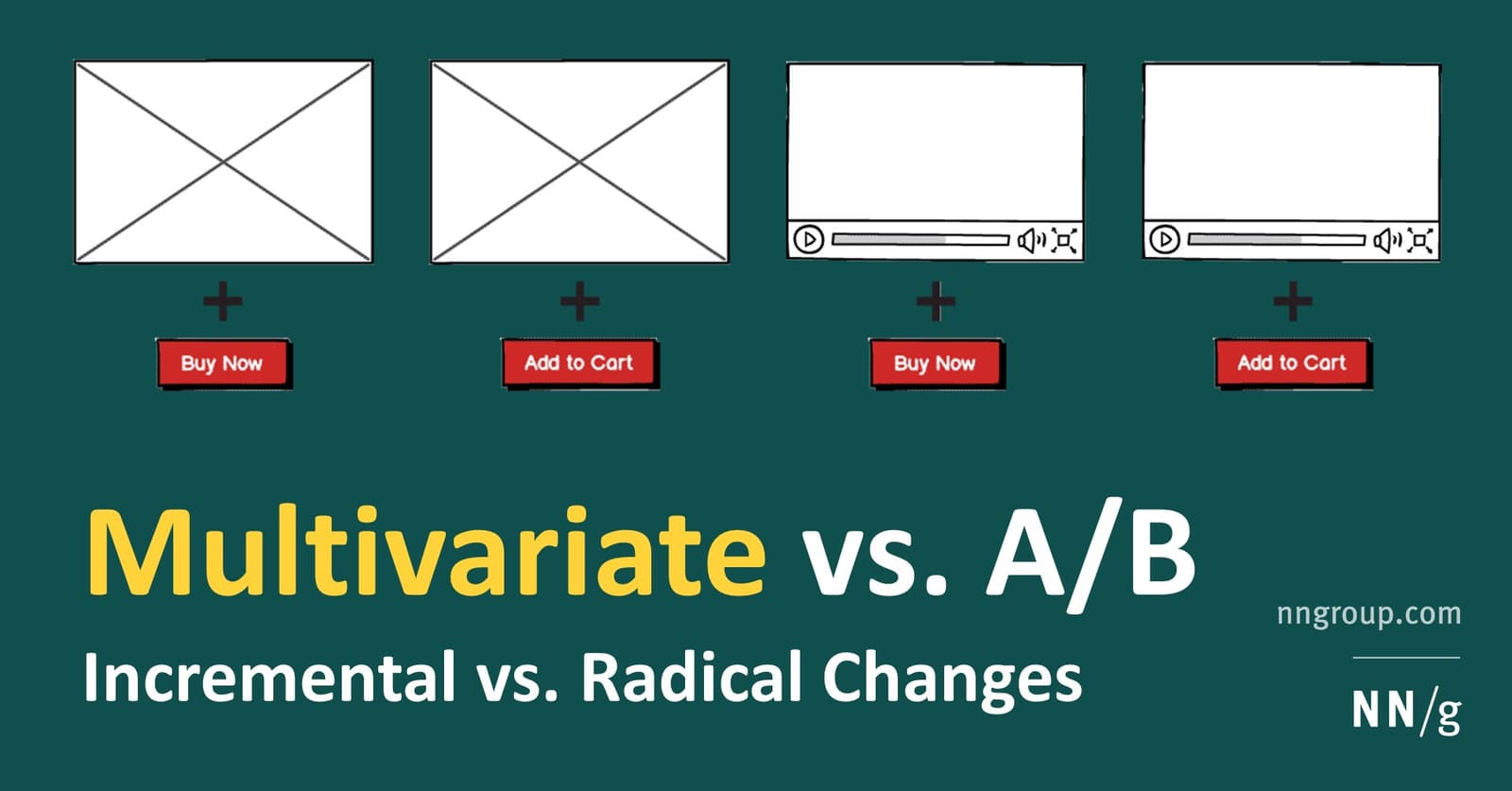
Multivariate Testing: Find Which UI Changes Interact
Multivariate testing finds the best *combination* of UI changes, not just which single design wins. Use it to see how a new headline interacts with a new button on a high-traffic page. The footgun: it requires far more traffic than A/B testing to get a.
Clickstream Analysis: Following the User's Footsteps
Clickstream analysis is like watching a replay of a user's journey through your site, click by click. It's used to optimize conversion funnels and find friction points. The footgun is focusing on the *what* (the path) without asking *why* a user took it.

Survey Response Bias: When Answers Mislead
Survey answers aren't raw data; they're filtered through human psychology. Response bias describes the predictable ways people answer inaccurately, common in user surveys and market research. The footgun is taking responses at face value, ignoring biases.

Customer Effort Score (CES): Measure Task Friction
Customer Effort Score (CES) measures how much work a customer expends to complete a task. It answers 'How easy was it?' right after a support interaction, purchase, or onboarding.
P-Value: Gauging Surprise, Not Certainty
A p-value measures surprise: it's the probability of seeing your results by chance, assuming your change had no effect. It's used in A/B testing to decide if an effect is noise or significant. A small p-value doesn't prove your hypothesis is true.
Heatmaps: Visualizing User Attention
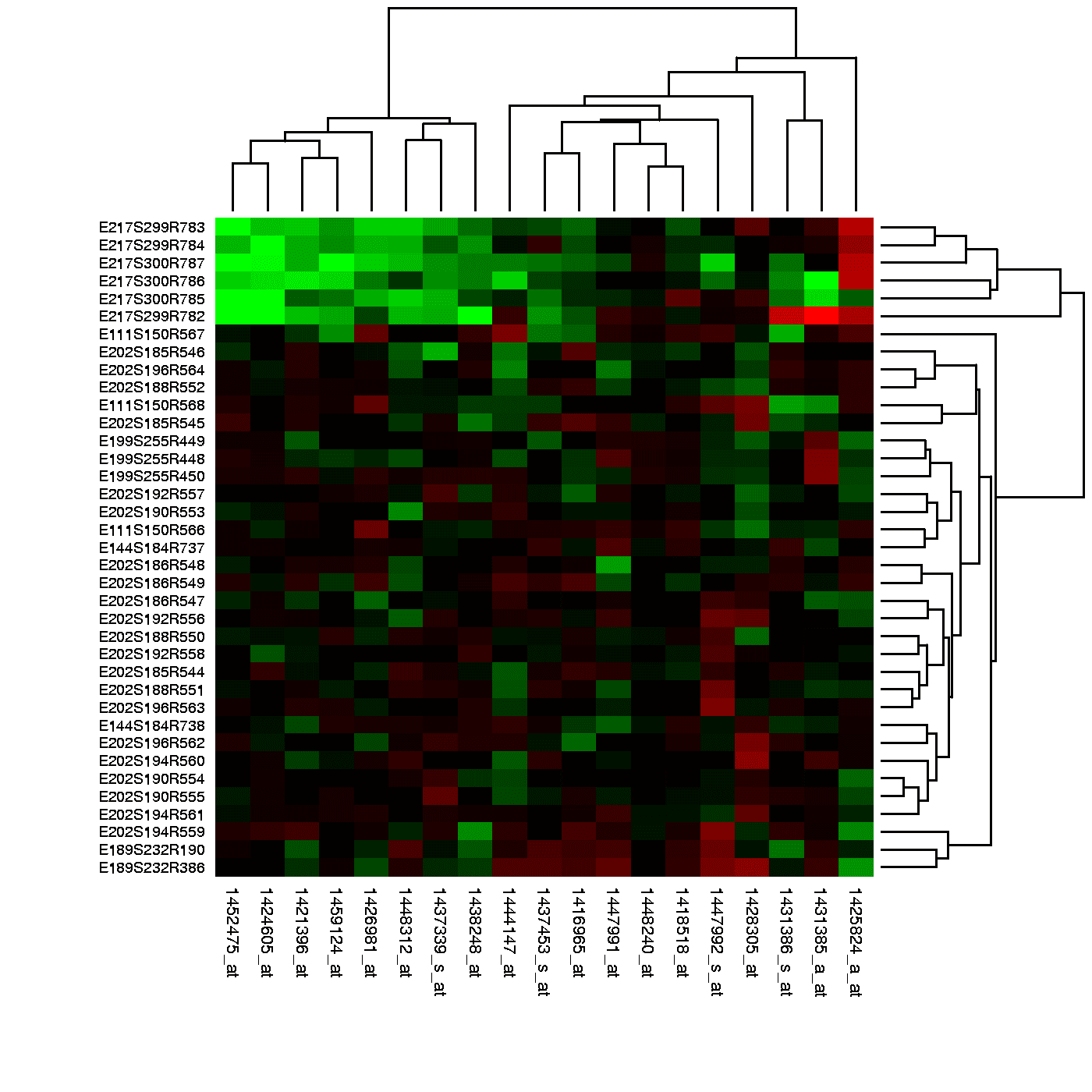
Think of a heatmap as a weather map for your app, showing 'hot' spots of user clicks and 'cold' spots they ignore. It reveals if users are clicking key buttons or getting distracted. The footgun: a hot spot can mean rage-clicks, not just engagement.
CSAT: Measuring If You Met Customer Expectations
CSAT measures if your product met a customer's expectations for a specific interaction. It's used to evaluate experiences like a support call or purchase, giving a direct pulse check on service quality.

Likert Scale: A Ruler for Opinions
A Likert scale turns subjective feelings into data by asking users to rate their agreement with a statement on a balanced scale. It's used in UX surveys to gauge attitudes.
Pluralistic Walkthrough: Diverse Roles, One User Task
A pluralistic walkthrough is a group critique where developers, users, and UX pros role-play as end-users to find flaws in a design. It's used early to catch issues cheaply. The footgun is letting developers defend their work instead of listening.
GOMS Model: Predicting User Performance as a Script
The GOMS model predicts expert user performance by breaking down tasks into a script of Goals, Operators, Methods, and Selection rules. It's used to get quantitative estimates of task efficiency, but its footgun is assuming a perfect user who never makes…
Eye Tracking: See What Your Users Actually See
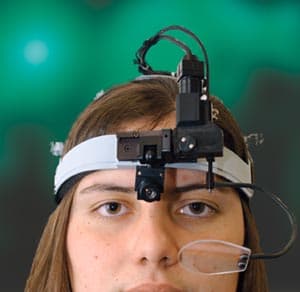
Eye tracking reveals what users actually look at, not just what they say they do. It's used in UX to generate heatmaps showing which UI elements draw the eye. The footgun: a long gaze can mean interest, but it can also mean confusion.
Desirability Testing: Quantifying User Feelings
Desirability testing quantifies user feelings with a controlled vocabulary, asking them to pick words from a list that describe a design. It measures emotional response to visual appeal or UX, often with just a screenshot.
Cognitive Walkthrough: See Through a New User's Eyes
A cognitive walkthrough is like role-playing a new user trying a specific task for the first time. It finds usability flaws early by simulating a first-time user's journey. The footgun is confusing it with a holistic review; this method is for specific tasks.
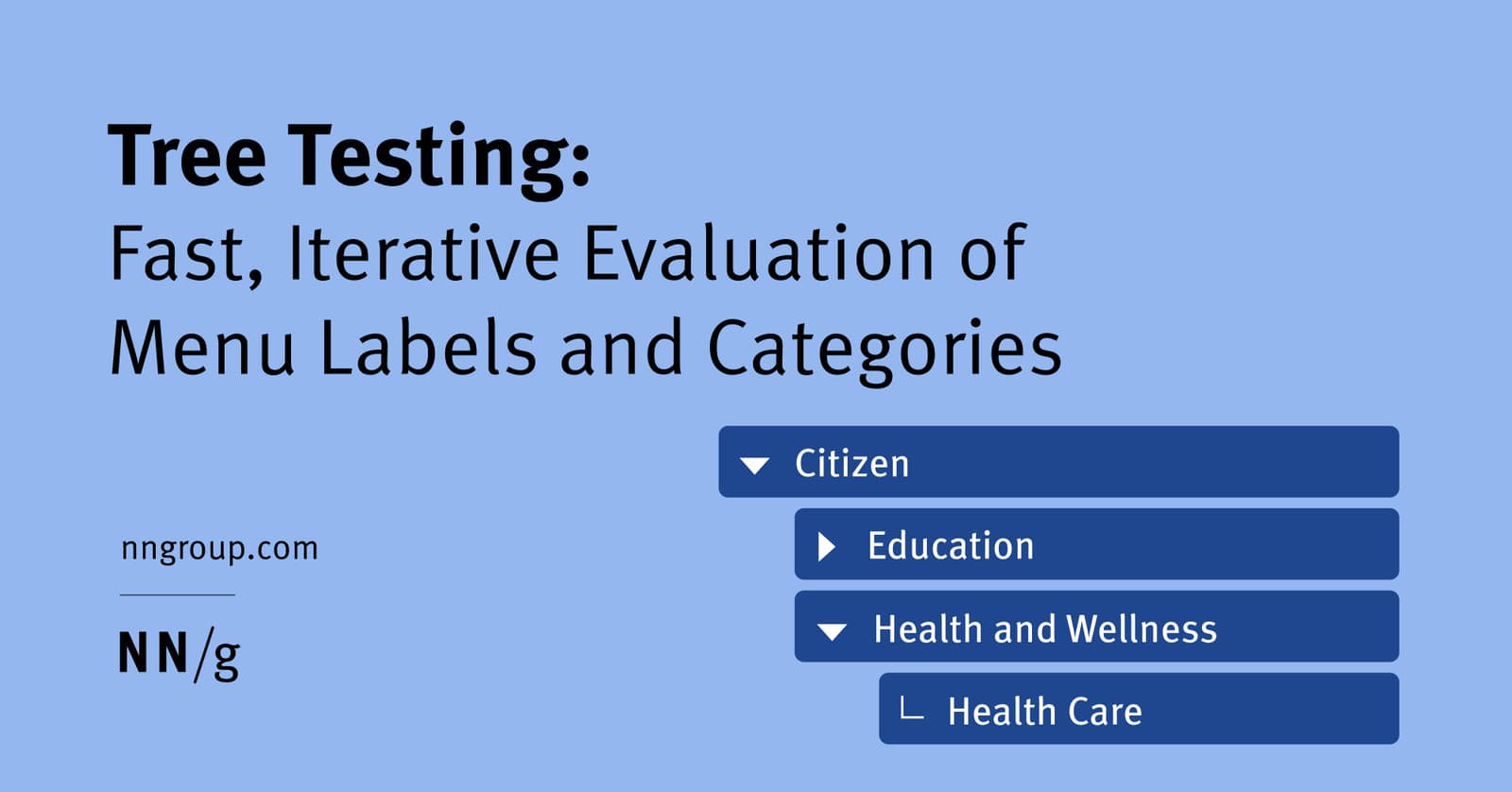
Tree Testing: Validate Your Site's Navigation Structure
Tree testing validates your site's navigation by asking users to find items in a text-only hierarchy. It's used to test a proposed information architecture before any UI is built. The footgun is confusing it with card sorting, which creates a structure.
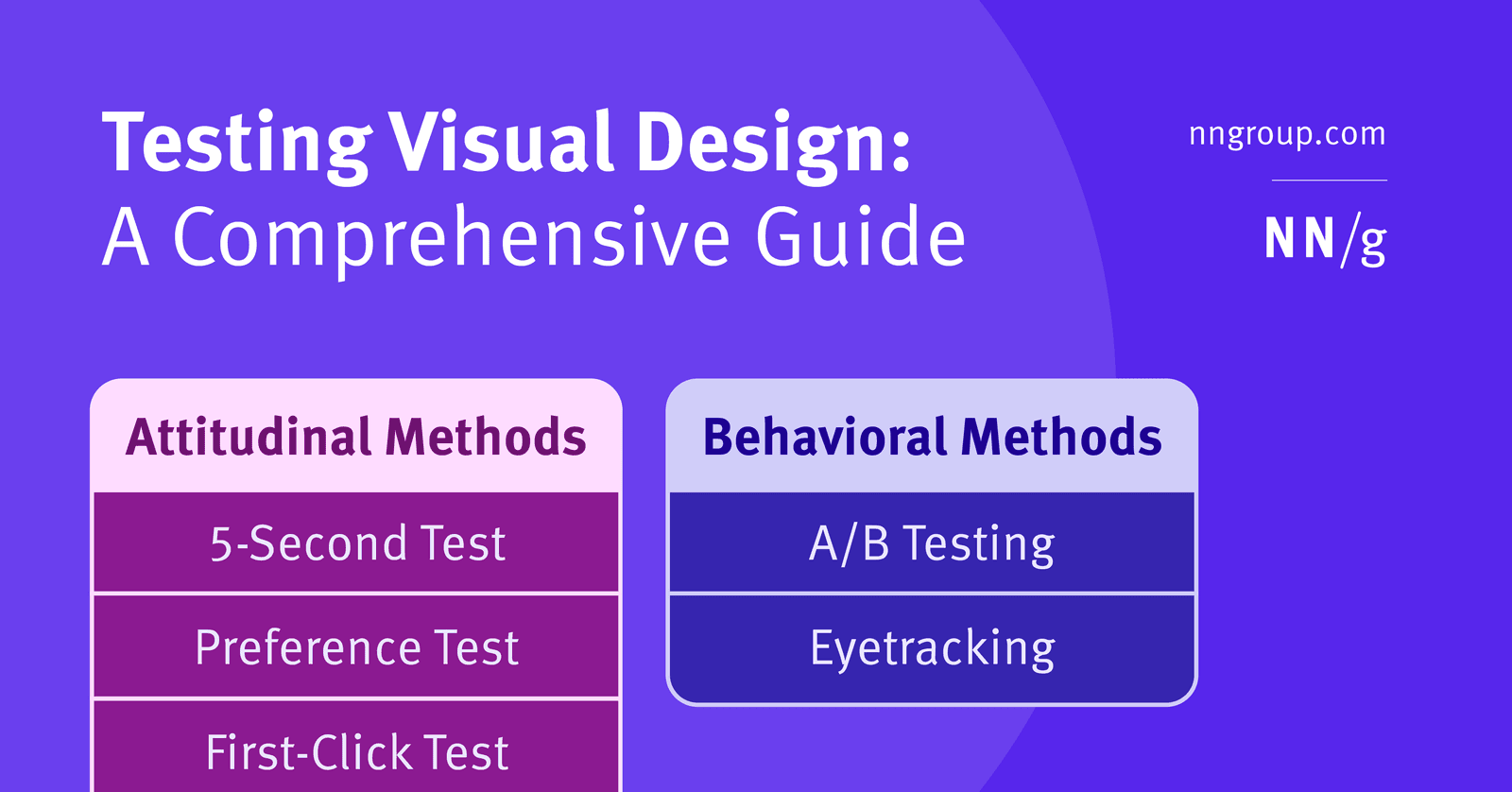
First Click Testing: Predicting Task Success with One Click
First Click Testing predicts if users can complete a task by tracking where they'd click first on an interface. If the first click is right, success is far more likely. It's used to validate navigation and UI clarity. The footgun is a poorly phrased task.
We are hiring for this. Every open role lists the topics its interview covers, so you can prepare for the real thing rather than guessing.
See open roles