Everything in Computer Vision, page 9
Model Quantization: Trading Precision for Performance
Model quantization trades numerical precision for a smaller memory footprint. It reduces model weights from high-precision types like fp32 to lower ones like int8 or int4, making large models fit on consumer hardware.
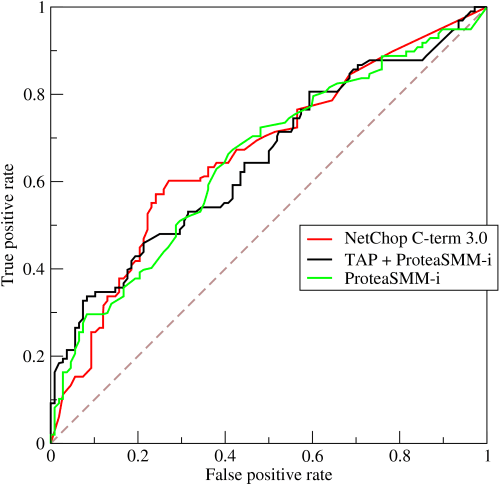
ROC Curve and AUC: Measuring Classifier Performance
An ROC curve visualizes a classifier's trade-off between catching true positives and flagging false ones across all thresholds. It's used to evaluate models like medical diagnostics or spam filters.

Precision vs. Recall: The Classifier's Trade-off
Precision is the quality of your positive predictions; Recall is the quantity you find. A spam filter with high precision avoids false alarms, while high recall catches most spam.
Confusion Matrix: Grading Your Model's Predictions
A confusion matrix is a scorecard showing how a classification model gets confused. It grids predicted labels against actual labels to reveal specific error types. It's essential for diagnosing failures that overall accuracy metrics might hide.
Data Labeling: Teaching Computers How to See
Data labeling is like creating flashcards for an AI. You show it an image and explicitly tell it what's important, like 'this is a cat.' It's essential for training models for self-driving cars or medical imaging.
ImageNet: The Dataset That Launched the Deep Learning Boom
ImageNet is a massive, human-labeled image library that became the standard benchmark for teaching computers to "see". It's the dataset behind the deep learning revolution, used to pre-train models for photo search and more.
Image Sensors: Converting Light to Data
An image sensor is the digital equivalent of film, turning light into electrical signals. It's the core component in everything from your phone's camera to medical imaging.
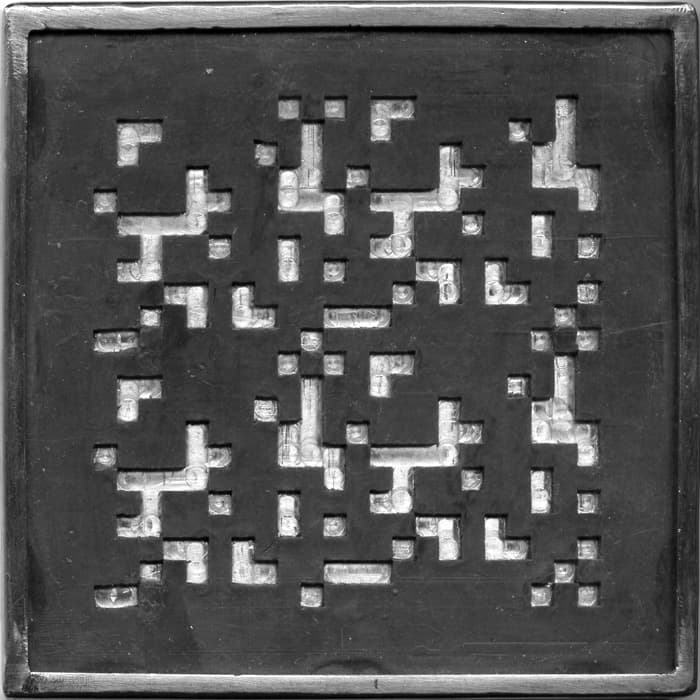
Coded Aperture: Imaging Without a Lens
A coded aperture images radiation that can't be focused, like X-rays. Instead of a lens, it uses a patterned mask to cast a complex shadow, which is then mathematically decoded into an image. It's crucial for X-ray astronomy.
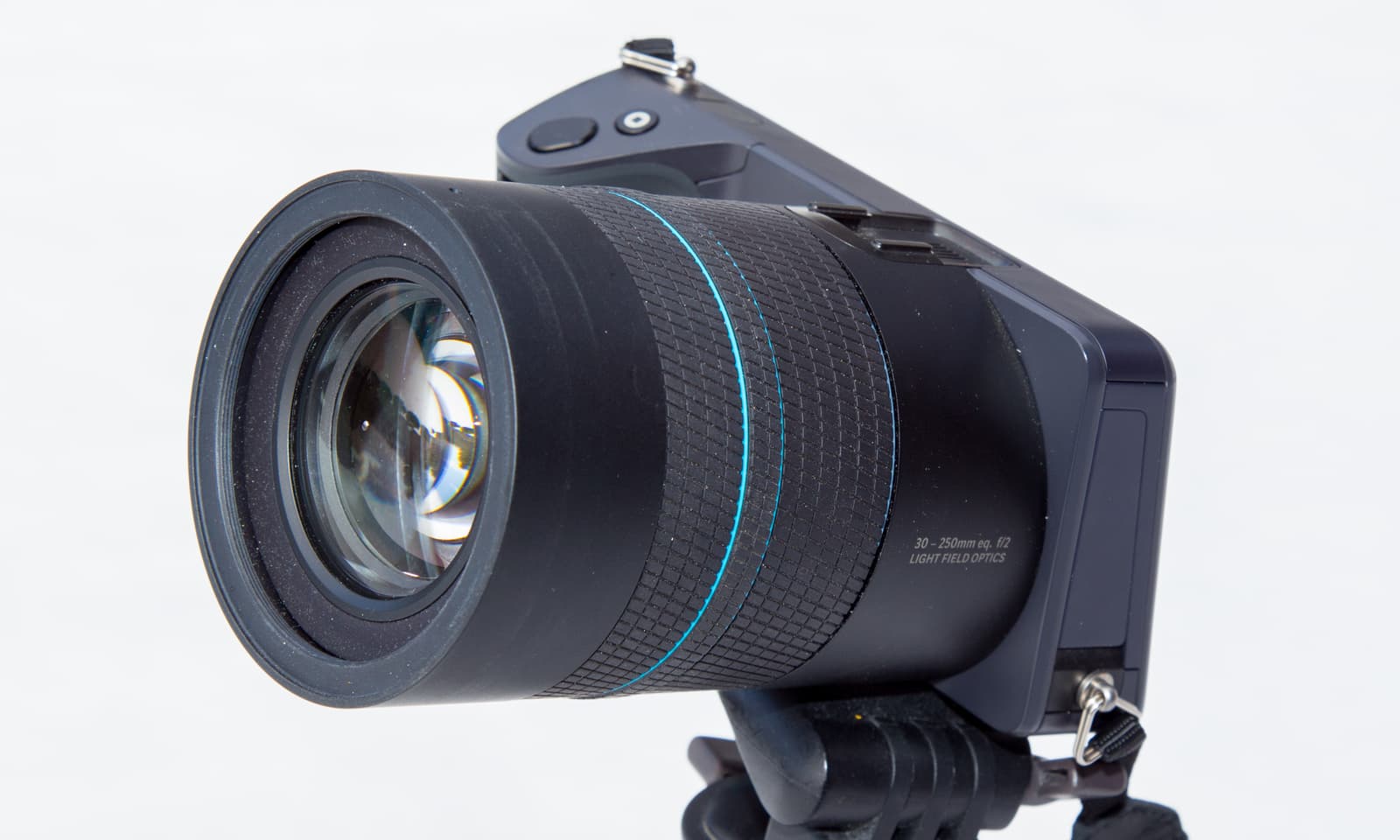
Light Field Photography: Capturing Light's Direction
A light field camera captures not just what light hits the sensor, but where it came from. It records both the intensity and direction of every ray, unlike conventional cameras that only see intensity. The footgun is thinking it's just a better 2D camera.
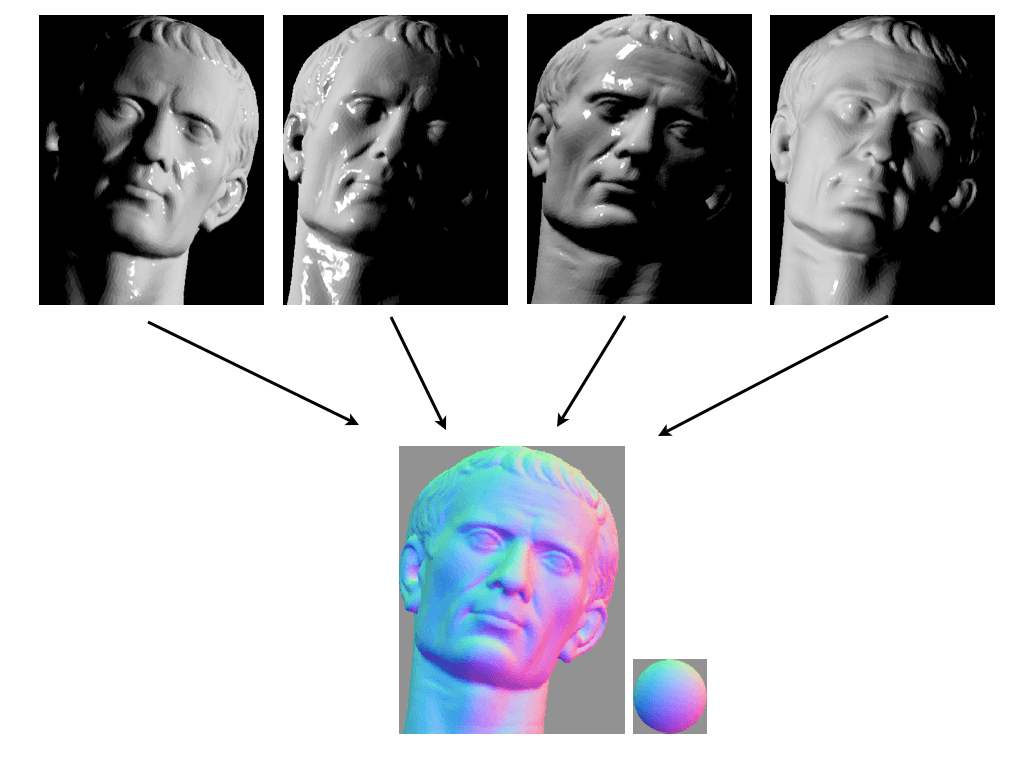
Photometric Stereo: Reconstructing Shape from Light
Photometric stereo deduces an object's 3D shape by watching how its surface reflects light from different directions. It’s used in industrial inspection and computer graphics to capture detailed surface geometry. The footgun is assuming it works on any object.
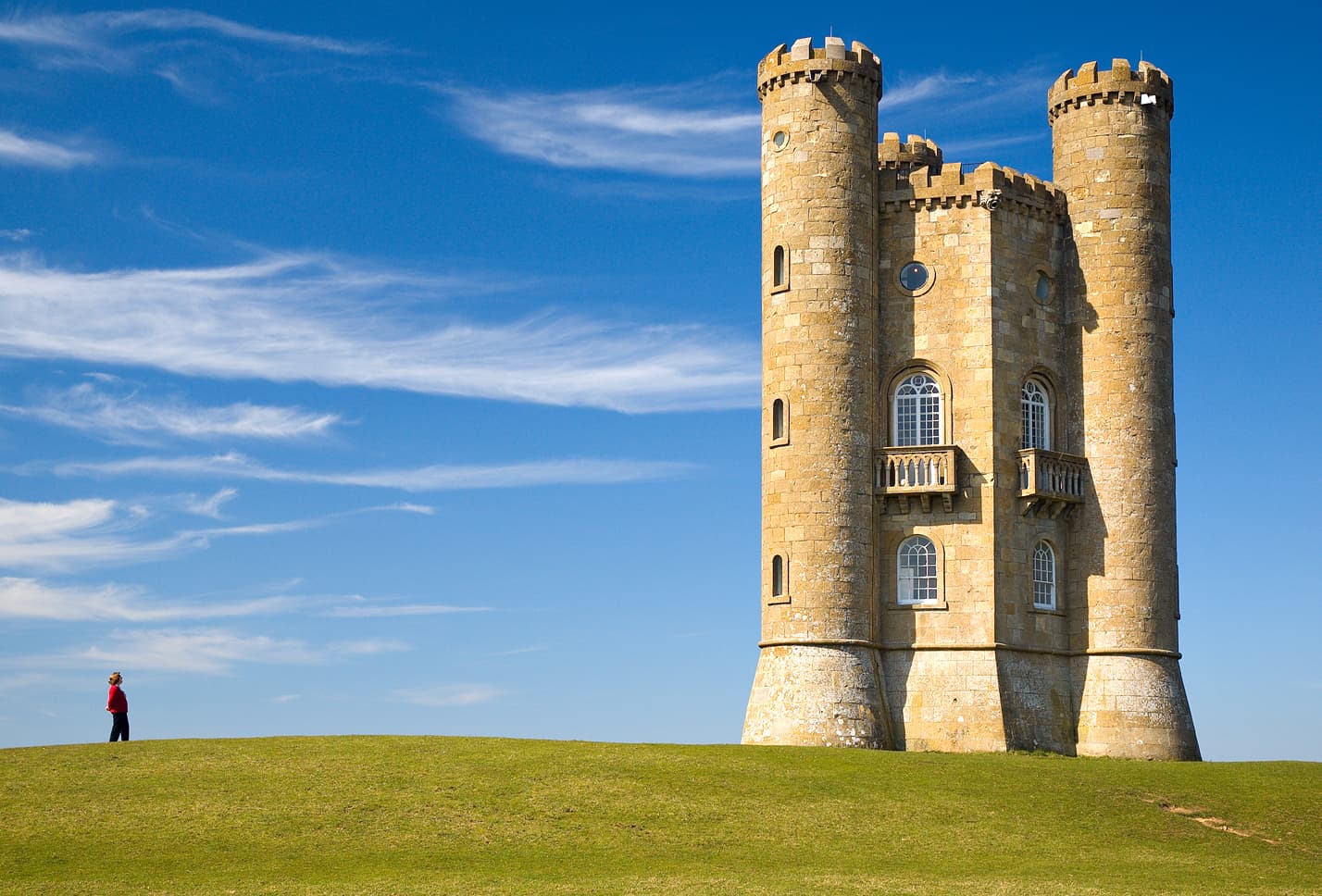
Seam Carving: Resizing Images Without Distortion
Seam carving resizes images by removing or adding pixel "seams" of low importance, not by squashing or cropping the whole frame. It's used in content-aware tools to change aspect ratios without distorting key subjects like faces or buildings.
Super-Resolution: Creating Detail from Less
Super-resolution creates a high-res image from low-res sources by inferring missing details. It powers smartphone digital zoom and video upscaling. The footgun: generated details are plausible hallucinations, not ground truth, making it risky for scientific…
Synthetic Aperture: Faking a Big Lens with Software
Synthetic aperture uses depth data to computationally fake the shallow depth-of-field of a large lens. It's the magic behind smartphone 'Portrait Mode,' blurring the background to make a subject pop.
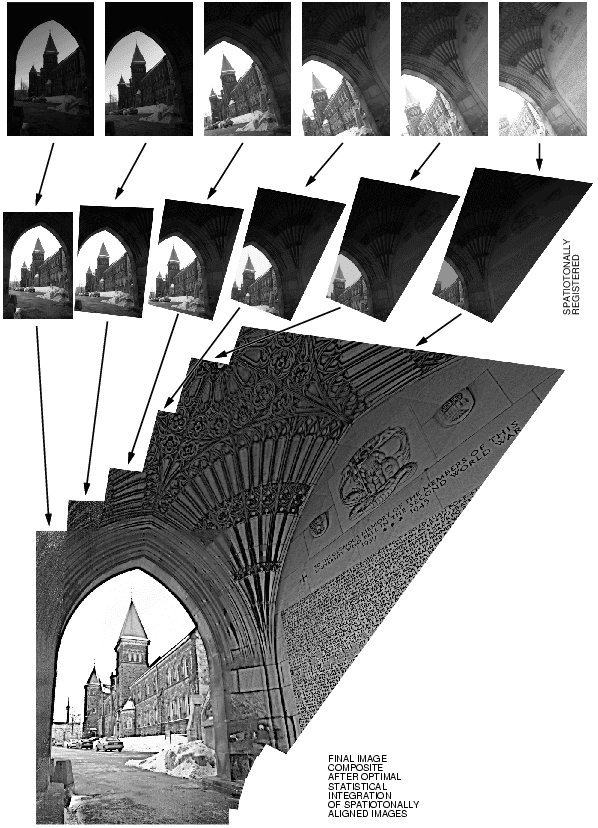
Multi-frame Noise Reduction: Finding Signal in the Noise
Multi-frame noise reduction averages multiple shots to isolate the true signal. The underlying image is consistent, while random noise cancels out. It's key for low-light phone photos and video.
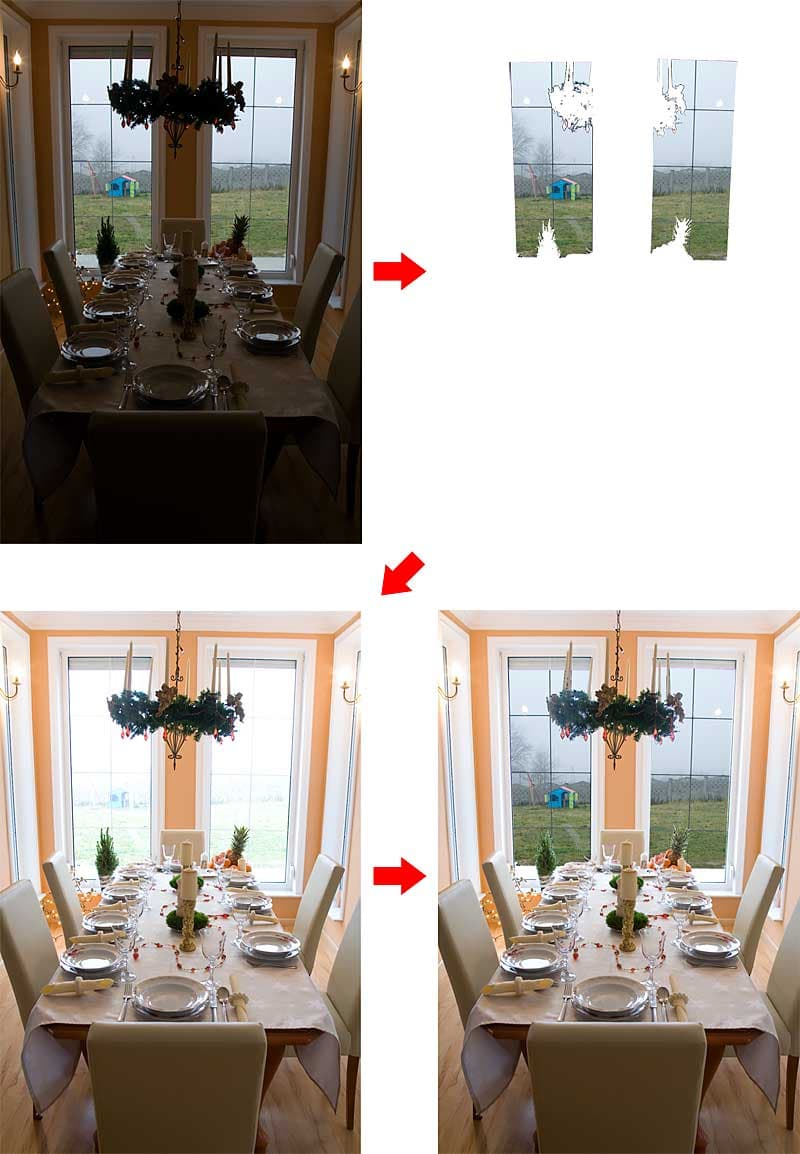
Exposure Fusion: HDR Looks Without the HDR File
Exposure fusion blends the best-lit pixels from several bracketed shots into one image. This lets you capture high-contrast scenes, like a bright window in a dark room, without creating a full HDR file.

Tone Mapping: Fitting HDR Light onto LDR Screens
Tone mapping compresses a vast range of light (HDR) to fit on a standard screen (LDR). It's how HDR photos and games look good on your monitor instead of having blown-out whites or crushed blacks. The footgun is creating unnatural, "over-cooked" images.

Focus Stacking: Combining Focal Planes for Ultimate Sharpness
Focus stacking creates an image with impossible depth of field by combining the sharpest parts of multiple photos. It's essential for macro, landscape, and microscopy where one shot can't keep everything sharp.
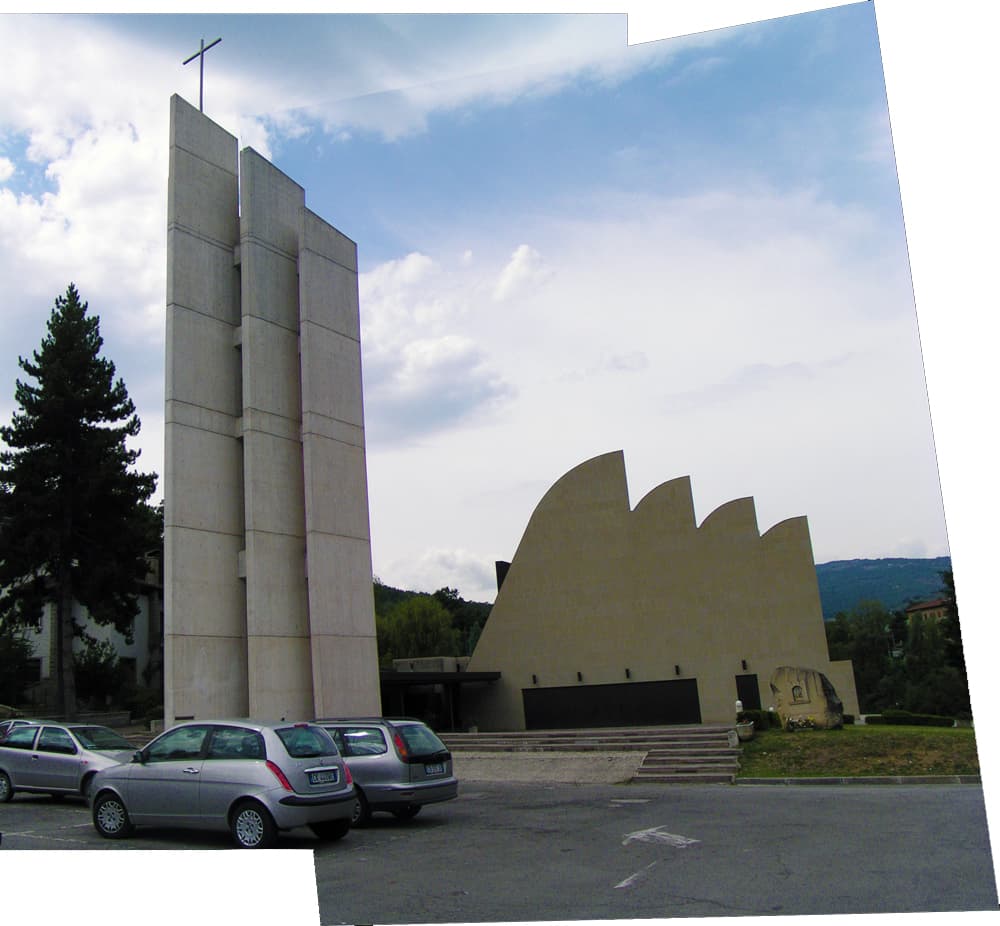
Image Stitching: Creating Panoramas from Overlapping Photos
Image stitching digitally 'tapes' together overlapping photos to create a single, wider panorama or a super-high-resolution image. It's used in phone panorama modes and for creating gigapixel photos. The main footgun is insufficient overlap between shots.
High Dynamic Range (HDR): Seeing More Light
HDR captures a wider range of light and dark than standard images, preventing blown-out highlights and crushed shadows. It's used to show scenes as the human eye sees them. The footgun is thinking HDR is just 'brighter'—it's about more detail in the extremes.
MAML: Learning to Learn Quickly
MAML trains a model to be easy to fine-tune, finding an initial set of parameters that serve as a great starting point for many new tasks. It's used in few-shot learning where models must adapt with minimal data.
We are hiring for this. Every open role lists the topics its interview covers, so you can prepare for the real thing rather than guessing.
See open roles