Everything in Content & Copywriting, page 11
Sequential Testing: Stop When You Have Enough Data
Instead of running a test for a fixed duration, sequential testing lets you peek at data and stop as soon as you have a statistically significant winner. It's used in A/B testing to ship features faster.

Multi-Armed Bandits: Balancing Exploration and Exploitation
A multi-armed bandit algorithm balances exploiting a known winner with exploring new options to find a better one. It's used to dynamically test website headlines or ad copy, automatically shifting traffic to the best performer to maximize conversions.
Multivariate Testing (MVT): Finding the Best Combination
Multivariate testing (MVT) finds the best combination of elements, not just the best single version. It tests multiple headlines, images, and buttons at once to see how they interact. The main footgun is needing massive traffic for statistically valid results.
Copy Editing: More Than a Spell Check
Copy editing is structural work on your writing, fixing clarity, flow, and accuracy—not just a final spell check. It happens after drafting but before layout, ensuring the core message is sound. The footgun is asking for a proofread when you need a copy edit.
Session Replay: A DVR for Your User's Experience
Session replay is like a DVR for your website, letting you watch a user's exact journey. It's used to debug issues, find conversion blockers, and understand user behavior. The footgun is watching aimlessly; without a hypothesis, you're just invading privacy.
Heatmap Analysis: Seeing Where Your Users Look
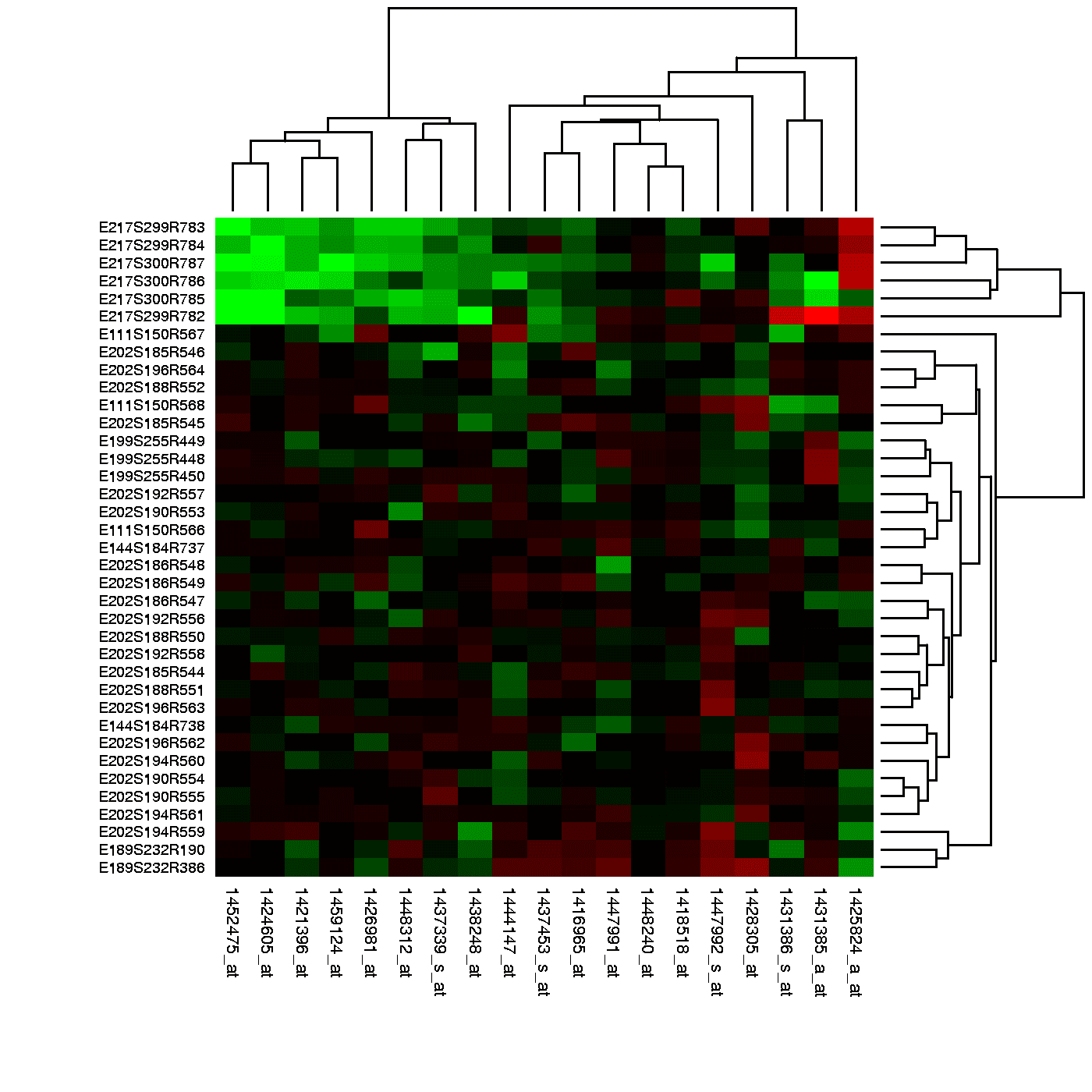
A heatmap is a weather map for your webpage, showing 'hot' spots of high engagement and 'cold' spots users ignore. Use it to see which headlines get clicks or how far down a sales page users scroll.
A/B Testing: Calculating Your Sample Size
Calculating A/B test sample size ensures your results are statistically significant, not just random noise. It's vital before testing anything from button colors to headlines. The biggest footgun is stopping a test early when a variant looks like it's winning.
The Cloze Test: Measuring Comprehension, Not Just Readability
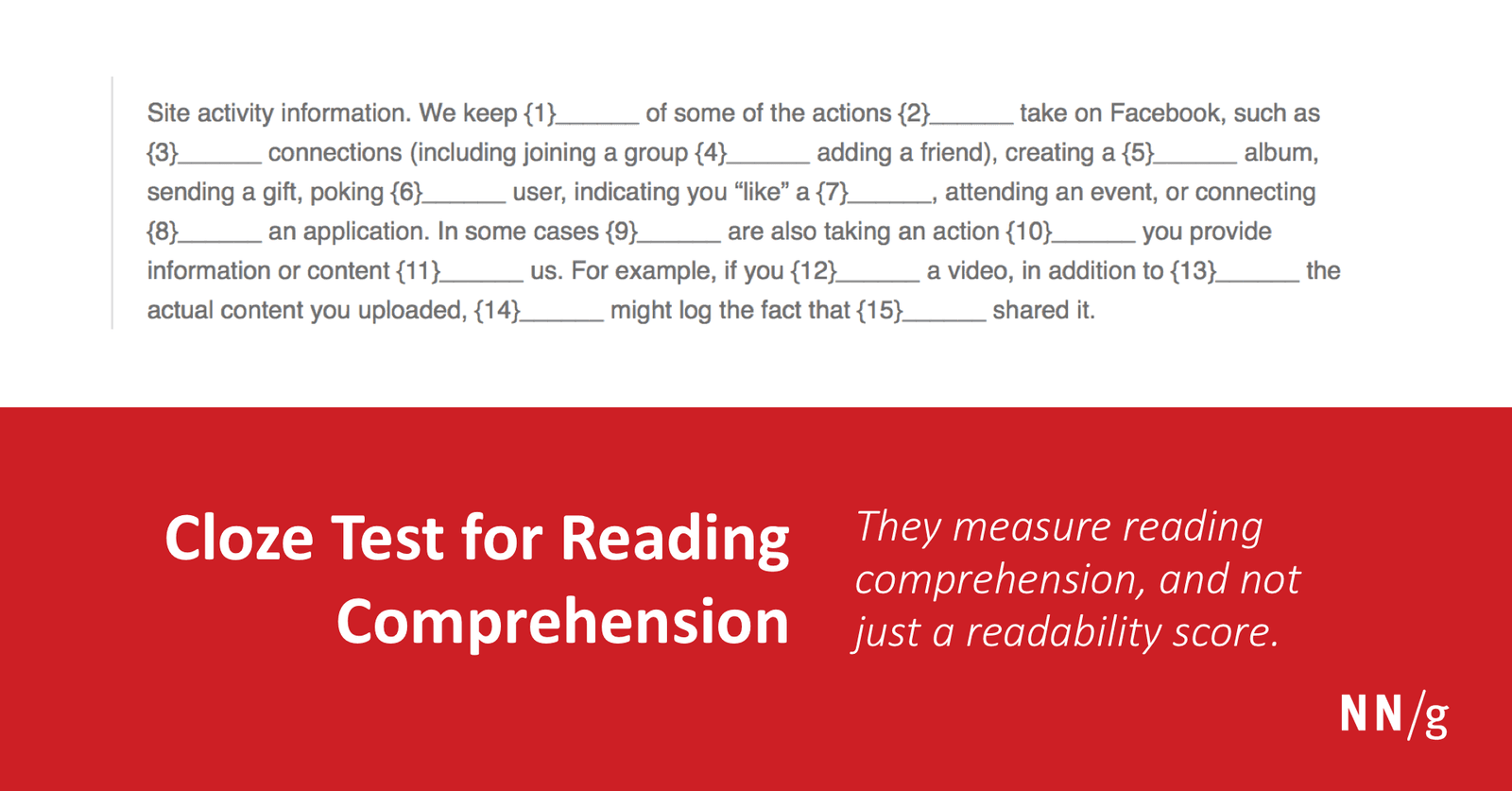
A Cloze test measures if users truly understand your text, not just if it's easy to read. By replacing every Nth word with a blank and asking users to guess, you can test comprehension directly.
Control vs. Variation: The Core of A/B Testing
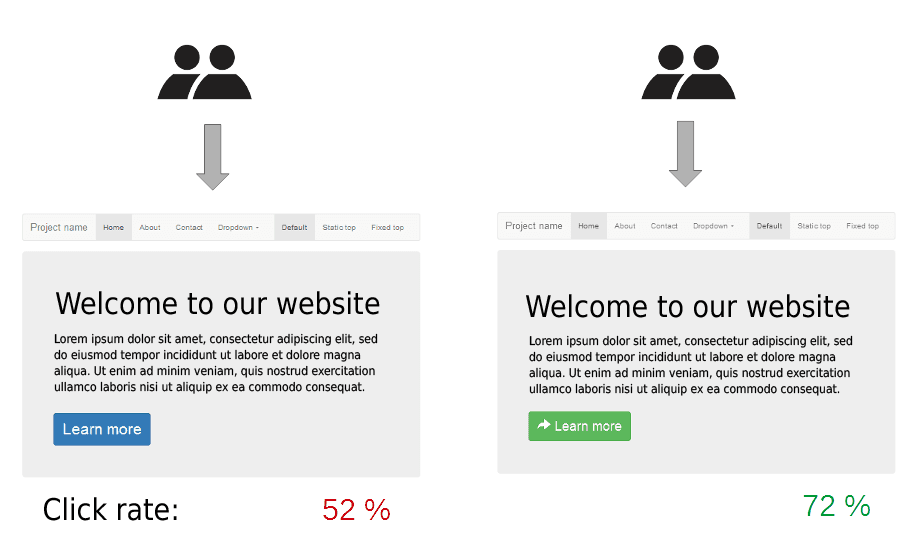
To know if a change works, compare it against the original. The original is your 'control,' and the new version is your 'variation.' This is the core of A/B testing, used to test new button colors or email subjects.
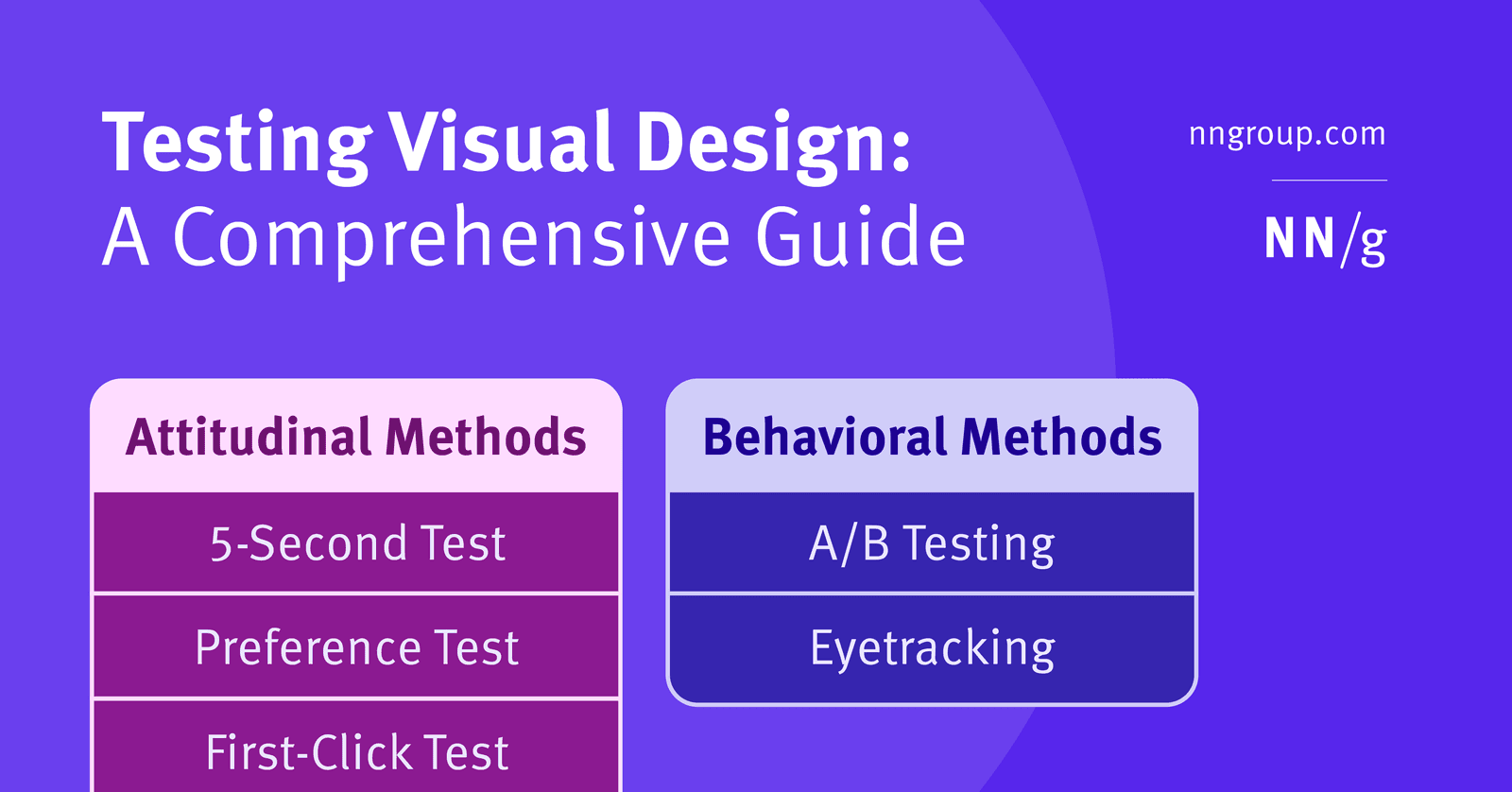
Five-Second Test: Capture a User's Gut Reaction
A five-second test captures a user's gut reaction by showing them a design for just five seconds. It's used to see if the visual style communicates the right brand identity before users have time to read. The footgun: don't warn users about the time limit.

Flesch-Kincaid: Measuring Readability with Math
Flesch-Kincaid scores aren't about quality, but simplicity, using word and sentence length to estimate reading difficulty. It's used in SEO tools and government forms to ensure accessibility. The footgun is chasing a score, which can make prose robotic.
Proofreading vs. Copyediting: Final Polish vs. Deep Clean
Copyediting is a deep clean for your writing, fixing style, flow, and clarity. Proofreading is the final spot-check for typos and formatting errors before you publish. They happen at different stages: copyediting on the draft, proofreading on the final layout.
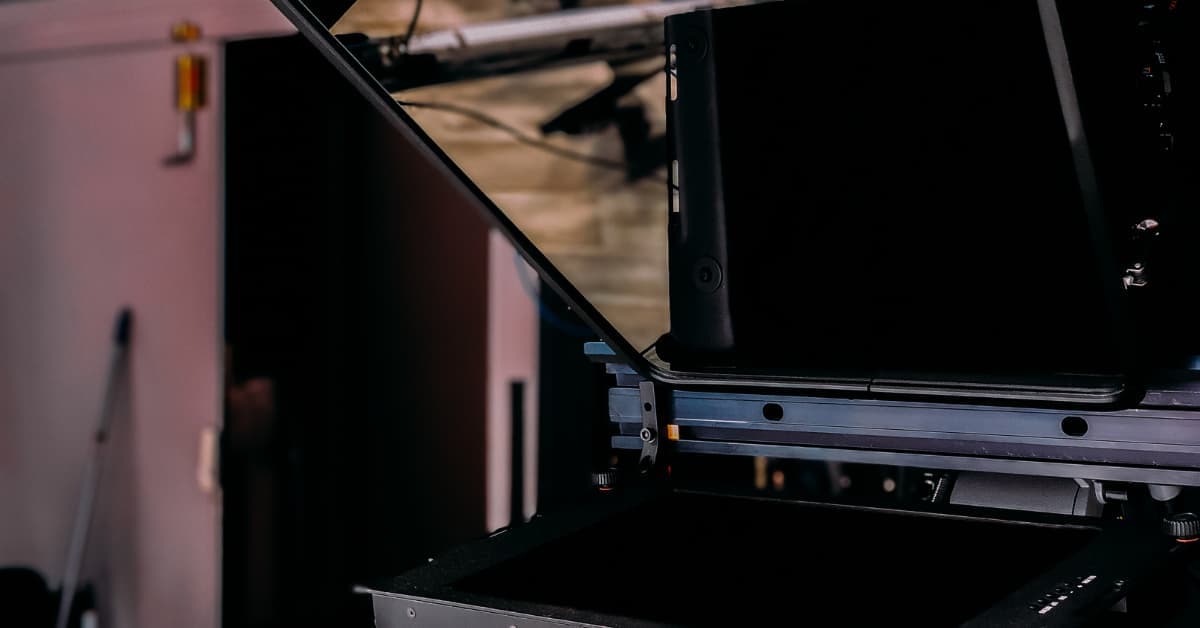
Teleprompter Scripts: Format for Speaking, Not Reading
A teleprompter script is a performance guide, not a document. For professional video, use large sans-serif fonts, double spacing, and short sentences to help presenters sound natural. The footgun is writing dense paragraphs, which causes stilted delivery.
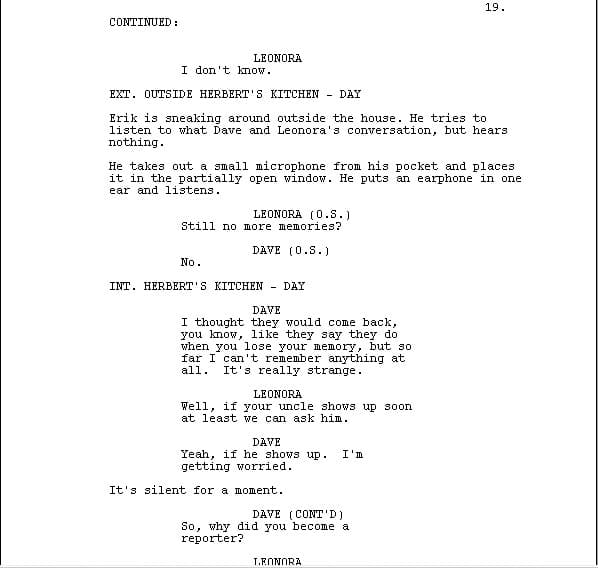
Character Voice: Making Characters Sound Distinct
Character voice is a verbal fingerprint—not just what characters say, but their unique way of saying it based on who they are. It's crucial in scriptwriting for believable dialogue that reveals personality.
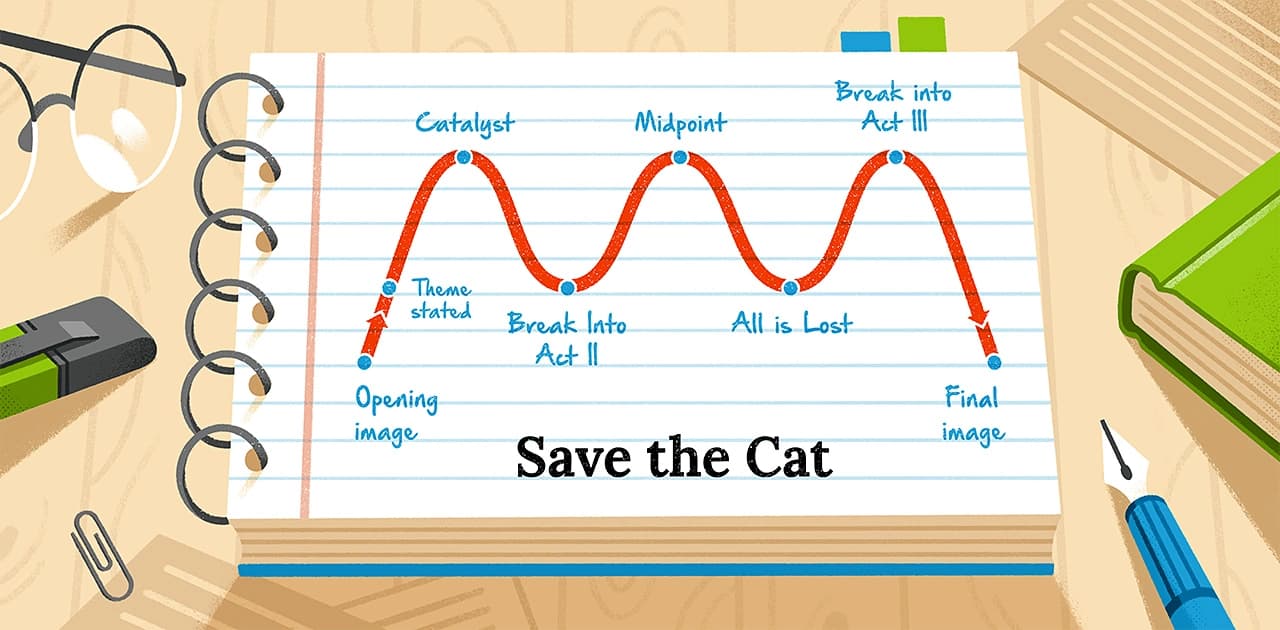
The Beat Sheet: A Story's Structural Blueprint
A beat sheet is a checklist of key emotional moments that structure a story. The popular "Save the Cat" method provides a template for outlining plots, ensuring proper pacing. The main footgun is following it too rigidly, creating a predictable story.
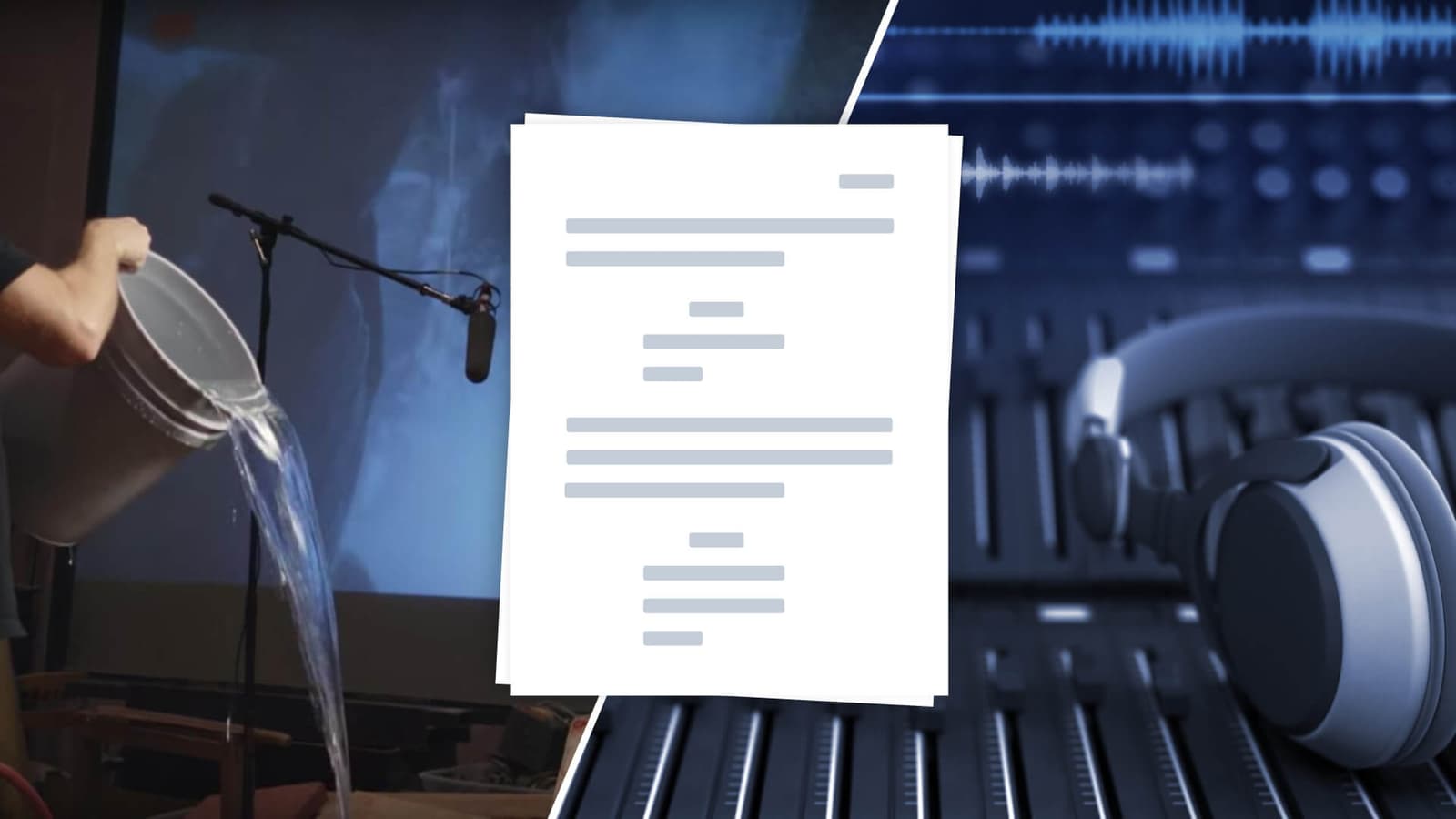
Writing Sound Cues: When to Yell 'BANG!' on the Page
Don't just describe a sound; make it heard. In screenplays, write plot-critical sounds as capitalized onomatopoeia in the action lines, like a gunshot (BANG!). The footgun is capitalizing ambient noise or using it to direct an actor's vocal delivery.

Table Read: Hear Your Words Before You Ship Them
A table read is a dress rehearsal for your words. You gather stakeholders and read text aloud to catch awkward phrasing and unclear flow before it goes live. Use it for high-stakes content like API docs. The footgun is reading it yourself—you need fresh ears.

Podcast Show Notes: Your Episode's Clickable Companion
Podcast show notes are the clickable, searchable companion to your audio, turning passive listening into action. They house affiliate links, guest bios, and resources, boosting SEO and monetization.
Scripting B-Roll: Show, Don't Just Tell
Think of B-roll as the visual evidence for your main narrative. It's the supplemental footage that shows what a speaker is talking about, breaking up static shots in interviews or demos.
Cold Open: Hooking Viewers Before the Titles Roll
A cold open hooks the audience by jumping into the story *before* the opening credits. It's used in TV to prevent channel-surfing during early commercials or to recap past events. The footgun is an opening that confuses viewers instead of captivating them.
We are hiring for this. Every open role lists the topics its interview covers, so you can prepare for the real thing rather than guessing.
See open roles