Intermediate interview questions in Product Management, page 19
What is SAFe's Architectural Runway and how do you build it?
This tests your grasp of balancing proactive technical investment with agile delivery. Define it as the code and infrastructure for near-term features, built via 'Enabler' stories. The red flag is describing it as a rigid, big design up-front (BDUF) plan.

What's the difference between a metric and a KPI?
This tests your ability to connect technical measurements to strategic business outcomes. A great answer defines both, notes KPIs are a subset of metrics tied to goals, and gives a concrete example like page views (metric) vs. conversion rate (KPI).
What is an Architectural Runway and how do you maintain it?
Tests balancing intentional architecture with emergent design in SAFe. Define it as the tech foundation for near-term features, built via Enabler stories. You contribute by identifying and implementing these enablers.
Architect today for a loosely defined future
Isolate volatility behind stable interfaces, use ports and adapters, keep changes reversible and deferred.

Describe cluster or switchback randomization for network-effect A/B tests.
Tests SUTVA violation, cluster-switchback tradeoffs. Outline: cluster (geo, teams) or switchback (time slices) isolation; cover pipeline changes, 10x inflation, and correlated error. Red flag: user-level randomization with post-hoc fixes or ignoring spillover.

Apply AARRR to B2B SaaS vs B2C mobile game analytics
This tests mapping AARRR to instrumentation across business models. A strong answer contrasts B2B account activation and expansion against B2C session-zero funnels and whale monetization. Red flag: same metrics ignoring account hierarchies and ad attribution.
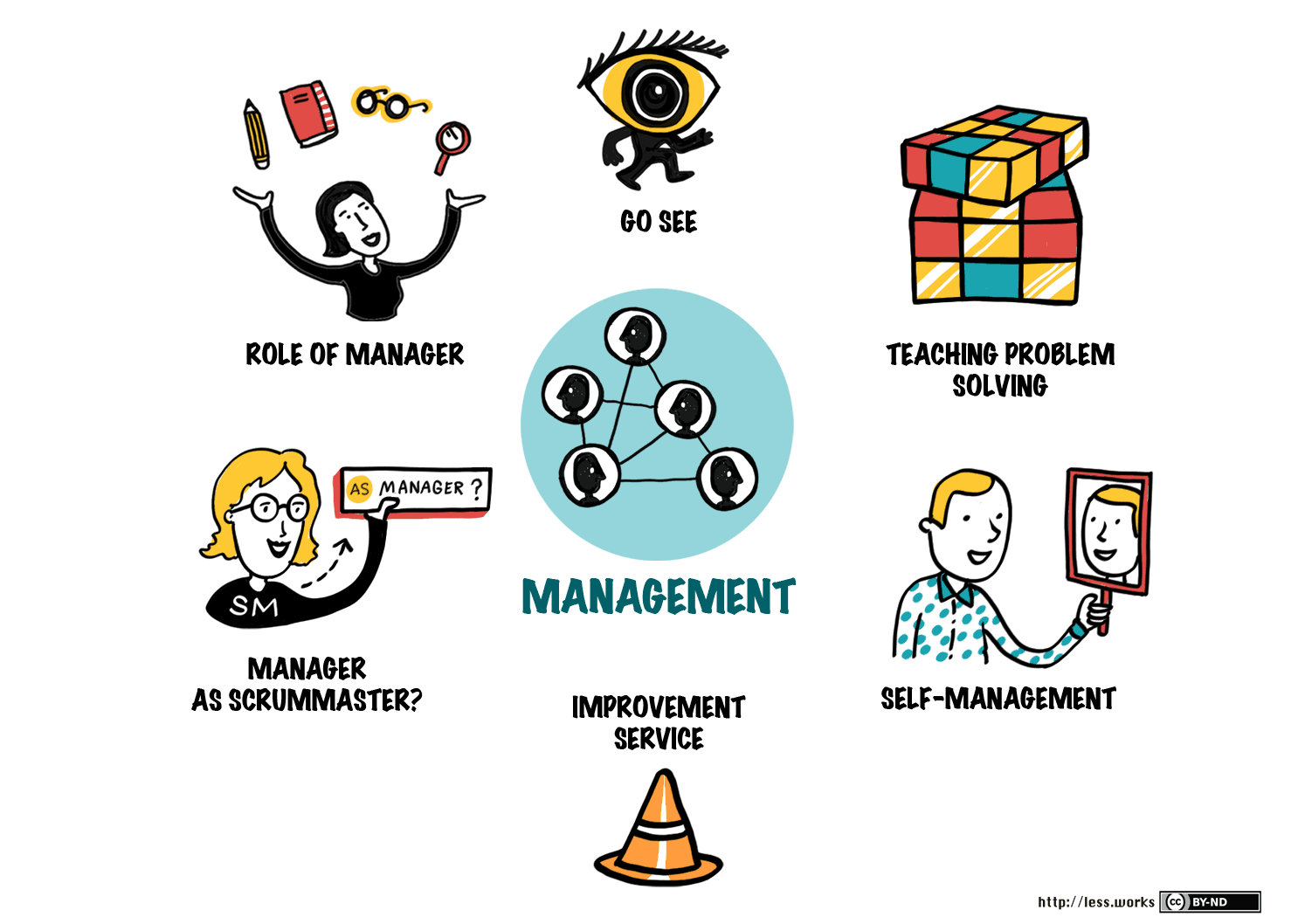
How does management evolve in scaled agile versus traditional program management?
This tests whether you see scaled agile shifting management from command to enablement. A strong answer contrasts LeSS manager-as-teacher supporting self-managing teams against traditional program-management command structures.
Apply the AARRR framework to B2B SaaS vs. B2C mobile games
Tests translating the AARRR framework into concrete analytics for different business models. Define AARRR, then contrast B2B SaaS (account-level activation) with B2C games (user-level engagement). Red flag: using identical metric definitions for both contexts.
How does management's role evolve in scaled agile frameworks like LeSS?
This tests your grasp of modern agile management, moving from command-and-control to enabling teams. Contrast Theory X (directing) with Theory Y (coaching). In LeSS, managers improve the system and teach, not assign tasks.
Describe AARRR and apply it to B2B vs. B2C analytics
Tests applying the AARRR framework to different business models. Define AARRR, then apply to B2B SaaS (account-level activation) vs. a B2C game (user-level virality). Red flag: using generic metrics that ignore the context of B2B sales vs. B2C usage.
How Management's Role Evolves When Scaling Agile
This tests your grasp of servant leadership vs. command-and-control. A good answer contrasts traditional managers (directing work) with enabling managers (removing impediments, teaching problem-solving) as seen in LeSS.
Designing a useful button_click event payload
Include identity, timestamp, and context plus properties like button id, screen, and state; govern with a naming convention.
How would you technically evaluate a major product pivot?
Structured feasibility under uncertainty. Strong answers: define requirements and SLOs, timebox spikes to de-risk unknowns, audit architecture, data, infra, security, and team skills against thresholds.

Design a referral system: data models, APIs, attribution, self-referral prevention
Tests data modeling with fraud guardrails and idempotent rewards. Cover: Users with nullable referred_by, ReferralEvents state table, async ledger attribution, and device-fingerprint self-referral blocks. Red flag: bare integer credit with no audit trail.
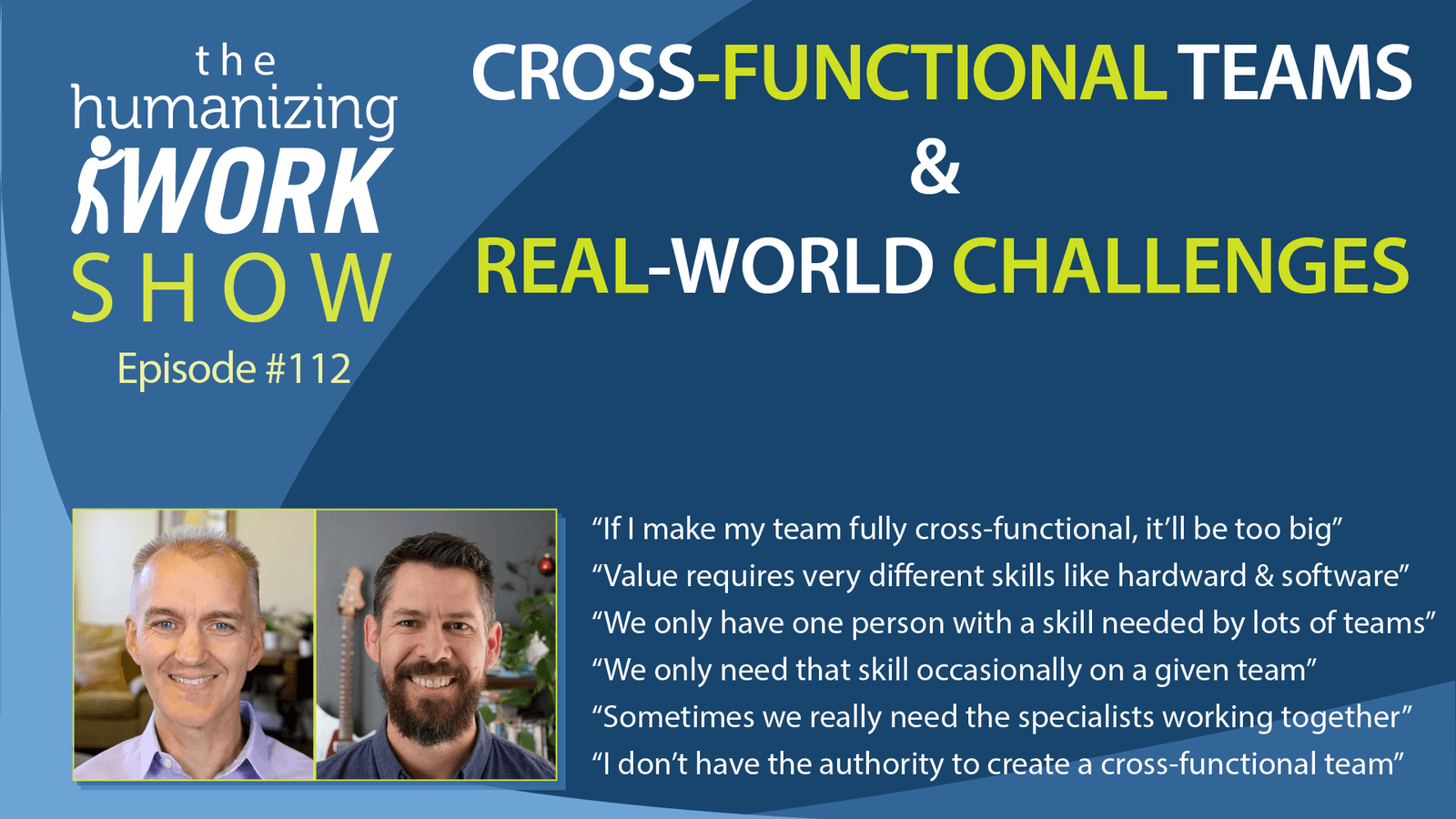
What technical and process challenges appear when forming cross-functional product teams?
Tests whether you see cross-functional integration as dissolving handoffs, not renaming teams. Strong answers mention testing in CI/CD, collective estimation, and social friction. Weak answers treat it as a staffing reshuffle that keeps siloed workflows.
How would you design a 'button_click' analytics event payload?
This tests your ability to design for future analysis. A great answer specifies core identifiers (user ID, timestamp), contextual properties (page, component), and a flat JSON structure. A red flag is forgetting the user ID or providing an unstructured list.
Challenges of transitioning to cross-functional teams
Tests your experience with real-world agile transitions. A good answer covers process friction (new roles), technical gaps (tooling, T-shaped skills), and cultural shifts. A red flag is blaming other roles or giving textbook-only agile answers.
Design an analytics event payload for a button click
This tests your data modeling for analytics. A good answer includes the event name, user ID, and timestamp, then adds contextual and user properties. A red flag is forgetting the user ID or suggesting dynamic property names, which breaks segmentation.
Challenges of Transitioning to Cross-Functional Teams?
This tests your grasp of the friction in agile transitions. A good answer covers skill gaps requiring cross-training, new process demands like CI/CD ownership, and ambiguity over responsibilities like on-call.
Add a Pro plan and gate features
Model plans and entitlements as data, enforce server-side via a central check, decouple the gate from feature code.
We are hiring for this. Every open role lists the topics its interview covers, so you can prepare for the real thing rather than guessing.
See open roles