More in Product Management — page 57
Minimum Marketable Feature (MMF): Ship Value, Not Parts
An MMF is the smallest piece of functionality that provides real value to a customer. Use it to break down large projects into valuable, incremental releases. The footgun is confusing it with an MVP (for learning) or slicing it too thin to be useful alone.
Theory of Constraints: Your Bottleneck Defines Your System
A system's output is limited by its single biggest bottleneck, just as a chain is only as strong as its weakest link. Use it to increase throughput in manufacturing or software delivery by focusing all improvement efforts on that one constraint.
Opportunity Cost: The Value of the Road Not Taken
Opportunity cost is the value of the best alternative you forgo when making a choice. It's used to prioritize projects when resources are scarce, like choosing a new feature over a refactor. The footgun is ignoring non-monetary costs like lost time or utility.

Buy vs. Build: A Strategic Choice, Not a Cost Problem
The Buy vs. Build decision is a strategic choice, not just a cost problem. Buy commodity functions to gain speed and stability; build core features to create a unique competitive advantage. The footgun is ignoring total cost of ownership and strategic control.
ICE Scoring: Prioritize Features with a Quick Gut Check
ICE scoring is a gut-check for prioritizing features by multiplying Impact, Confidence, and Ease. It helps teams rapidly sort experiments or backlog items. The main footgun is its bias towards easy wins, potentially ignoring high-effort strategic projects.
Scope Creep: When 'Just One More Thing' Derails a Project
Scope creep is the uncontrolled growth of a project's requirements after it starts. It shows up as 'small tweaks' that balloon into major features, delaying schedules and increasing costs. The footgun is trying to prevent it entirely instead of managing it.
The 80/20 Rule: Find the Vital Few
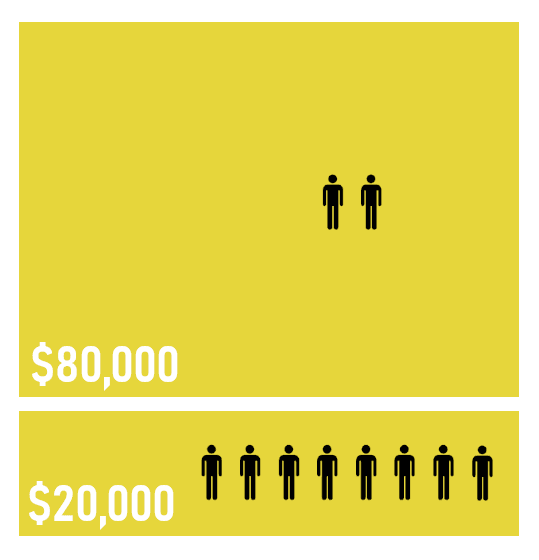
The 80/20 rule states that most outcomes (80%) come from a few causes (20%). It's used to find high-impact work, like fixing the few bugs causing most crashes. The footgun is treating 80/20 as a precise law instead of a general heuristic.
Value vs. Effort Matrix: Prioritize What to Build Next
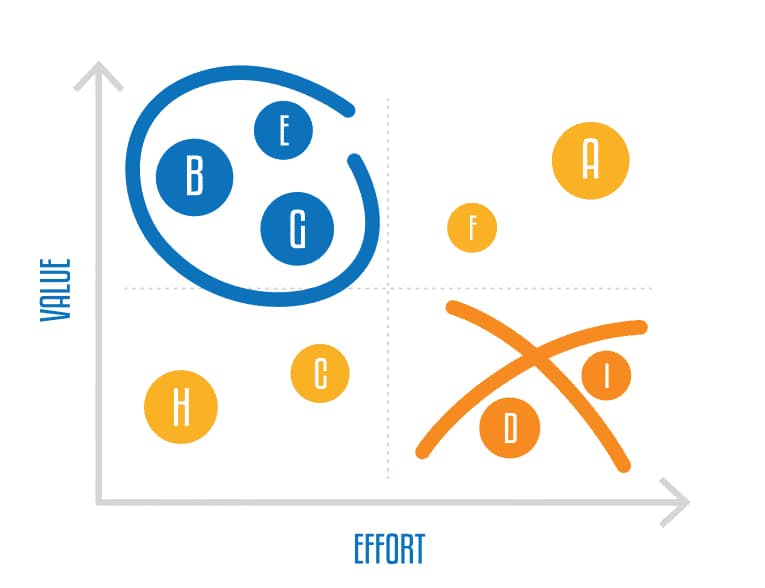
A Value vs. Effort matrix is a 2x2 grid for deciding what to build, plotting features by their potential value against implementation complexity. Product teams use it to prioritize roadmaps and justify resource allocation.
The Eisenhower Matrix: Urgent vs. Important
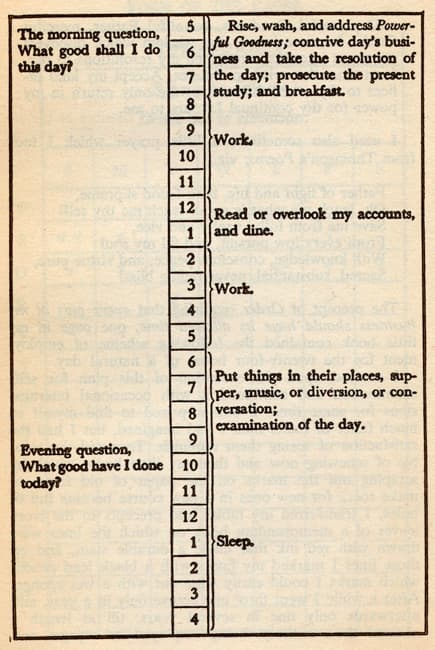
The Eisenhower Matrix sorts tasks by urgency and importance, not just deadlines. Use it for daily or weekly planning to focus on what truly moves the needle. The biggest footgun is letting 'urgent but not important' tasks dictate your day.

Roadmap Commitment Levels: Now, Next, Later
Agile roadmaps replace fixed timelines with commitment levels: 'Now' (in progress), 'Next' (planned), and 'Later' (potential ideas). This structure communicates decreasing certainty, allowing teams to adapt without breaking promises.
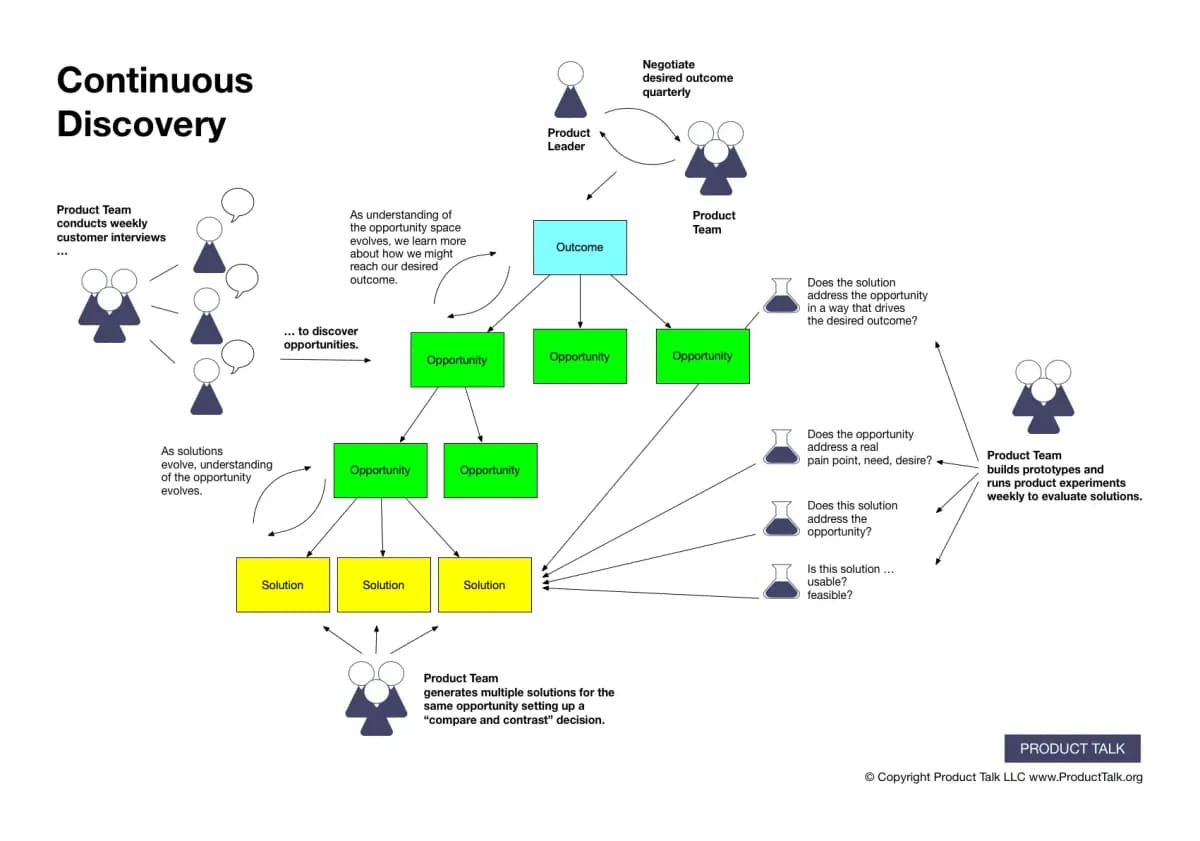
Continuous Discovery: Talk to Users Weekly, Not Yearly
Continuous discovery means small, weekly chats with customers, not a big upfront research phase. It's for teams building products that are never 'done,' like Netflix or your SaaS app. The footgun is treating discovery as a project, leading to stale insights.
Roadmap Capacity Planning: Ideal vs. Reality
Capacity planning isn't about your team's ideal output (design capacity), but their actual output (effective capacity) after accounting for meetings, bugs, and on-call. Use it to build realistic roadmaps.
Outcome-Based Roadmaps: Solve Problems, Not Ship Features
An outcome-based roadmap frames work around problems to solve, not a checklist of features to build. It gives teams autonomy to find the best solution for goals like increasing user engagement or improving conversion.

Thematic Roadmaps: Focus on 'Why,' Not 'What'
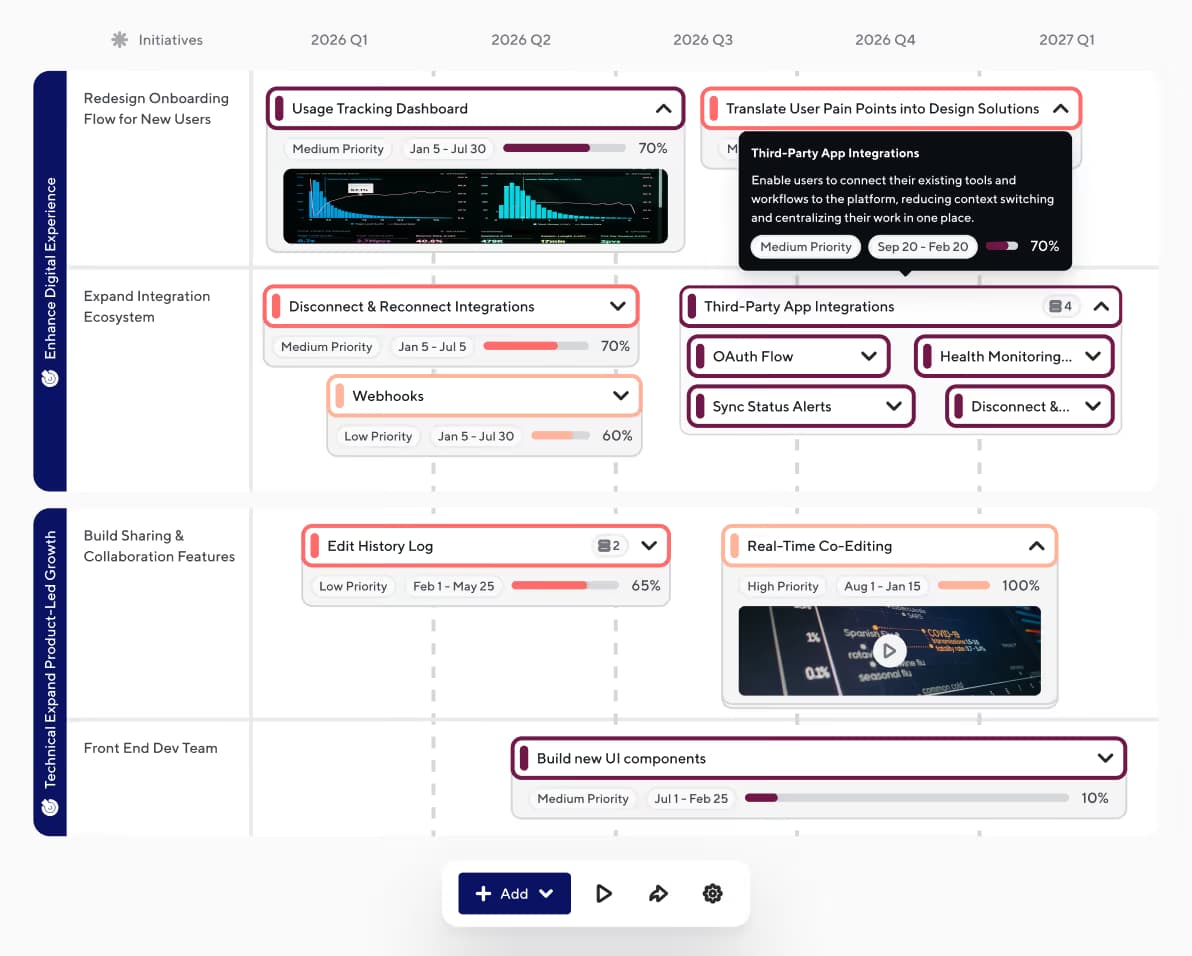
A thematic roadmap organizes work around strategic goals ("themes") like "Improve User Onboarding," not just a feature list. It's used to align teams on high-level objectives and persuade executives. The footgun is mistaking a feature list for a strategy.

Product Roadmap vs. Backlog: Strategy vs. Tactics
A roadmap is your strategic travel plan showing major destinations (product goals), while the backlog is the turn-by-turn navigation for the current leg of the journey (development tasks). The footgun is cluttering the roadmap with backlog details.
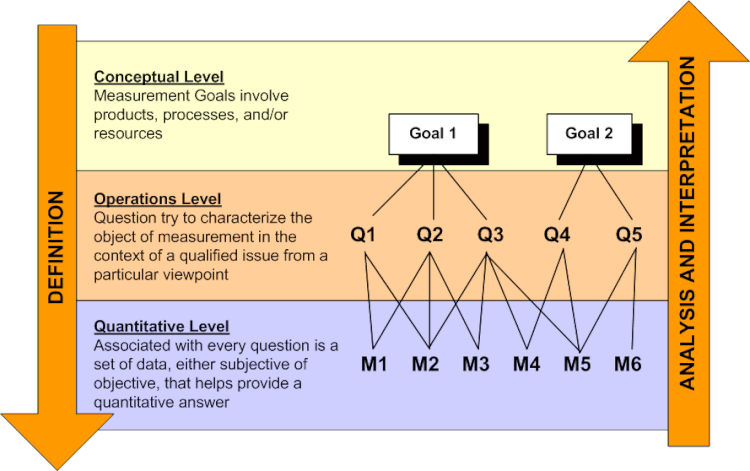
Goal-Question-Metric: Measure What Matters, Not What's Easy
GQM is a top-down framework for defining metrics. You start with a Goal, ask Questions to clarify it, then define Metrics to answer them. This avoids the common trap of collecting vanity metrics that don't reflect true software quality or business goals.

Counter Metrics: Guardrails for Your Goals
Counter metrics are the guardrails for your primary goal, preventing you from optimizing one number at the expense of user experience. If you increase ad impressions for revenue, track user retention to ensure you aren't just driving users away with spam.

The HEART Framework for Measuring UX
The HEART framework provides a structure for measuring user experience on large-scale web applications. It helps teams define user-centered metrics to track progress towards goals and make data-driven decisions.
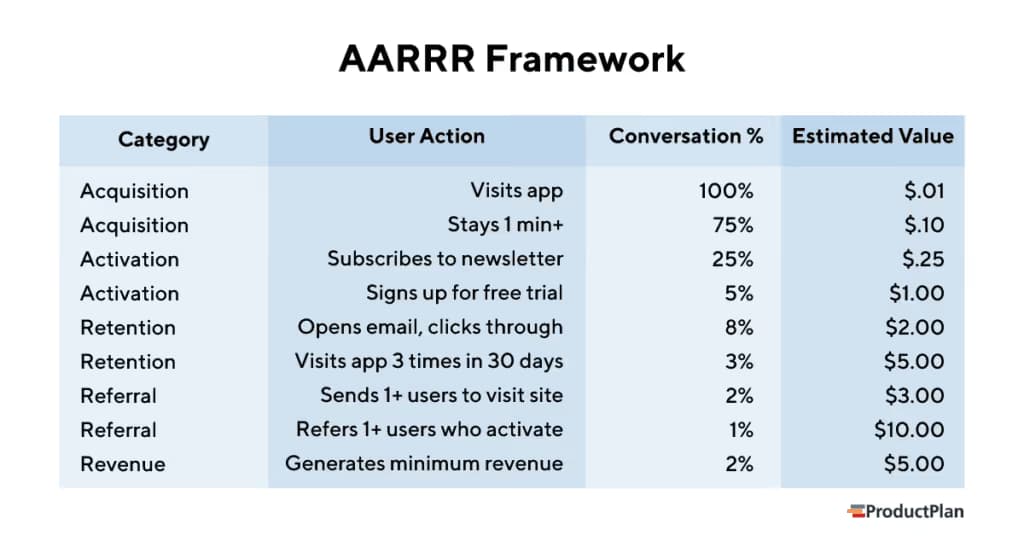
AARRR 'Pirate' Metrics: A Funnel for What Really Matters
The AARRR framework is a five-stage funnel (Acquisition, Activation, Retention, Referral, Revenue) that tracks the user journey. It helps product teams focus on metrics that directly impact business health, not vanity metrics like social media likes.
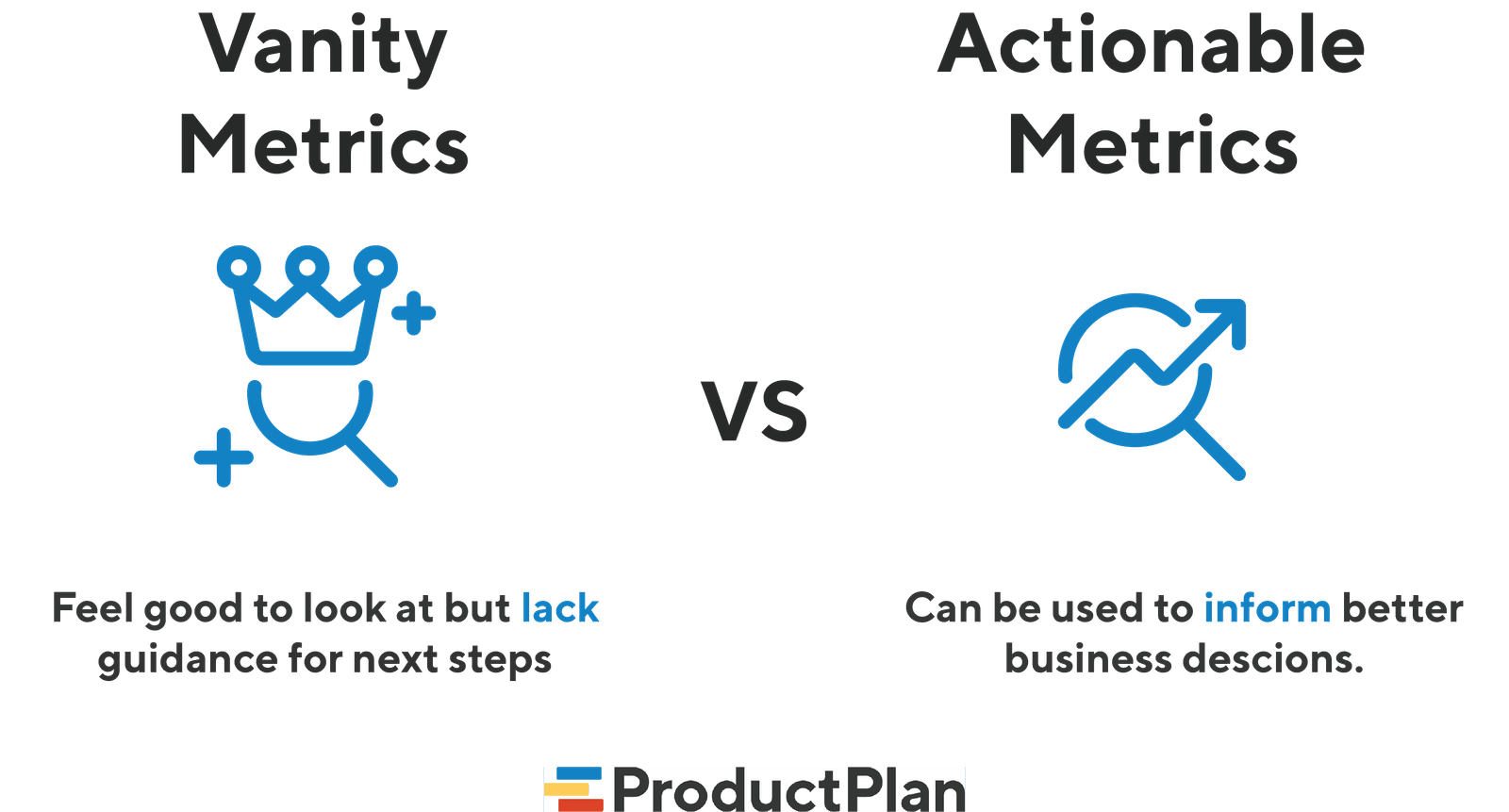
Vanity vs. Actionable Metrics: Measure What Matters
Vanity metrics look impressive but don't inform decisions (e.g., total downloads). Actionable metrics tie to business goals and guide your next move (e.g., conversion rate). This helps product teams focus on real growth, not just impressive-looking charts.