Everything in Product Management, page 75

Client-Side vs. Server-Side Tracking
The difference is who sends your data: the user's browser (client-side) or your server (server-side). Client-side is simple but fragile against ad blockers. Server-side offers more control but adds cost. The footgun is thinking server-side is a magic fix.

User ID: The Key to Cross-Device Analytics
A User ID stitches together a person's journey across devices and sessions, moving beyond anonymous tracking. It's key for apps with logins to see the full customer lifecycle. The footgun: never use the User ID for a custom dimension; it will break reporting.

The Data Layer: Your Web Page's Central Message Bus
The data layer is a central message bus for your website, decoupling your app from analytics tags. It passes dynamic data like purchase totals or button clicks to tools like Google Tag Manager, which listens for these events to fire tags.
Analytics Consent Management: Respecting User Choices
Consent management is the system that asks users for tracking permission and technically enforces their choice. It's legally required for sites using Google Analytics or Ads.
UTM Parameters: Know Exactly Where Your Traffic Comes From
UTM parameters are like labels on your website visitors, telling you which marketing campaign brought them. They're added to URLs in ads or emails to measure channel effectiveness. The footgun is inconsistent naming, which splits data and ruins analysis.
Event Tracking: Measuring What Users Do
Event tracking turns user actions like clicks and purchases into analyzable data. Analytics platforms use this data to report on engagement and conversions. The biggest footgun is inconsistent naming, which pollutes your data and breaks reports.
Data-Driven vs. Data-Informed: Let Data Guide, Not Dictate
Data-driven means the data makes the call, like in an A/B test. Data-informed means a human makes the call, using data as one key input for strategic choices like setting a budget. The footgun is saying 'data-driven' when you mean 'data-informed'.
Balanced Scorecard: Beyond Financial Metrics
A Balanced Scorecard connects daily actions to long-term strategy by measuring more than just financial results. It's used to align department goals with company objectives, ensuring work supports customer satisfaction.
Customer Segmentation: Treat Different Customers Differently
Instead of treating all customers the same, segmentation groups them by shared behaviors or traits. This helps tailor marketing campaigns or manage relationships.
Cohort Analysis: Comparing User Groups Over Time
Instead of averaging all user behavior, cohort analysis groups users by a shared starting point, like their sign-up month. This reveals how product changes affect retention for specific groups. The footgun is lumping everyone together, which hides real trends.
Leading vs. Lagging Indicators: Looking Forward vs. Backward
Leading indicators predict the future; lagging indicators confirm the past. This distinction is key for analyzing business cycles or system health. The main footgun is relying only on lagging data, forcing you to react to problems that have already occurred.
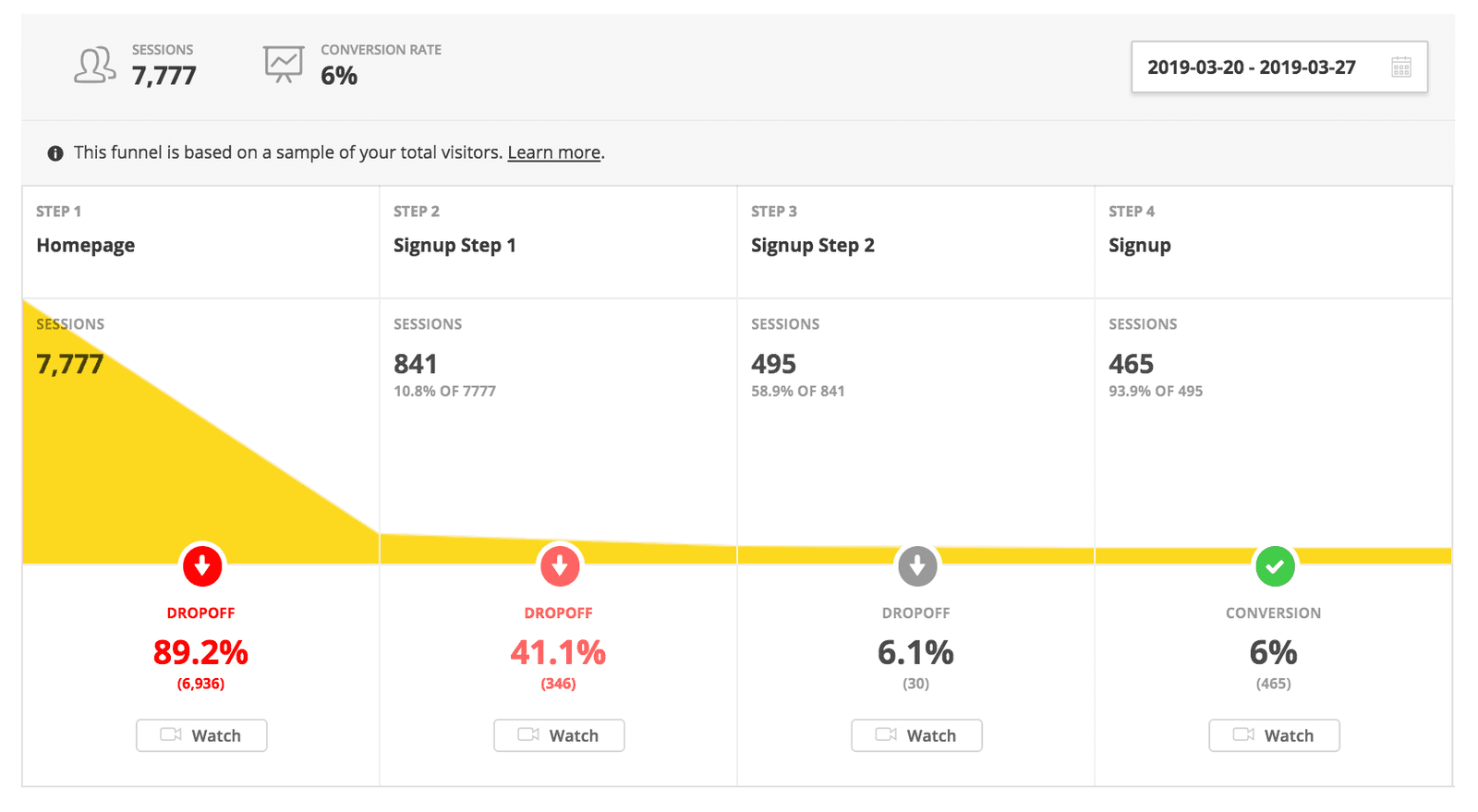
Funnel Analysis: Pinpointing Where Users Drop Off
Funnel analysis treats a user journey like a real-world funnel, showing exactly where people 'leak' out before reaching a goal. It's key for optimizing e-commerce checkouts or app sign-ups. The footgun is only looking at the final conversion rate.
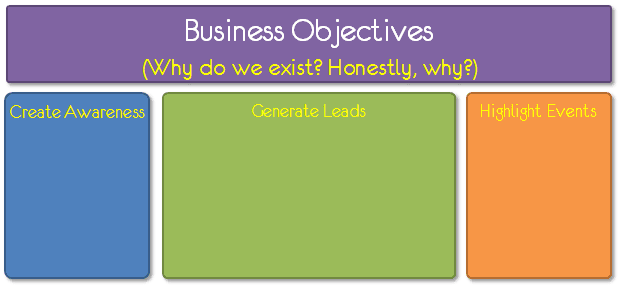
Analytics Measurement Plan: From Why to What
An analytics measurement plan forces you to define success before you look at data. It connects high-level business objectives to specific user actions and sets clear targets.

Key Performance Indicators (KPIs)
A KPI isn't just any metric; it's a measurable value showing how effectively you're achieving a key business objective. It's used to track things like website uptime or customer acquisition cost.
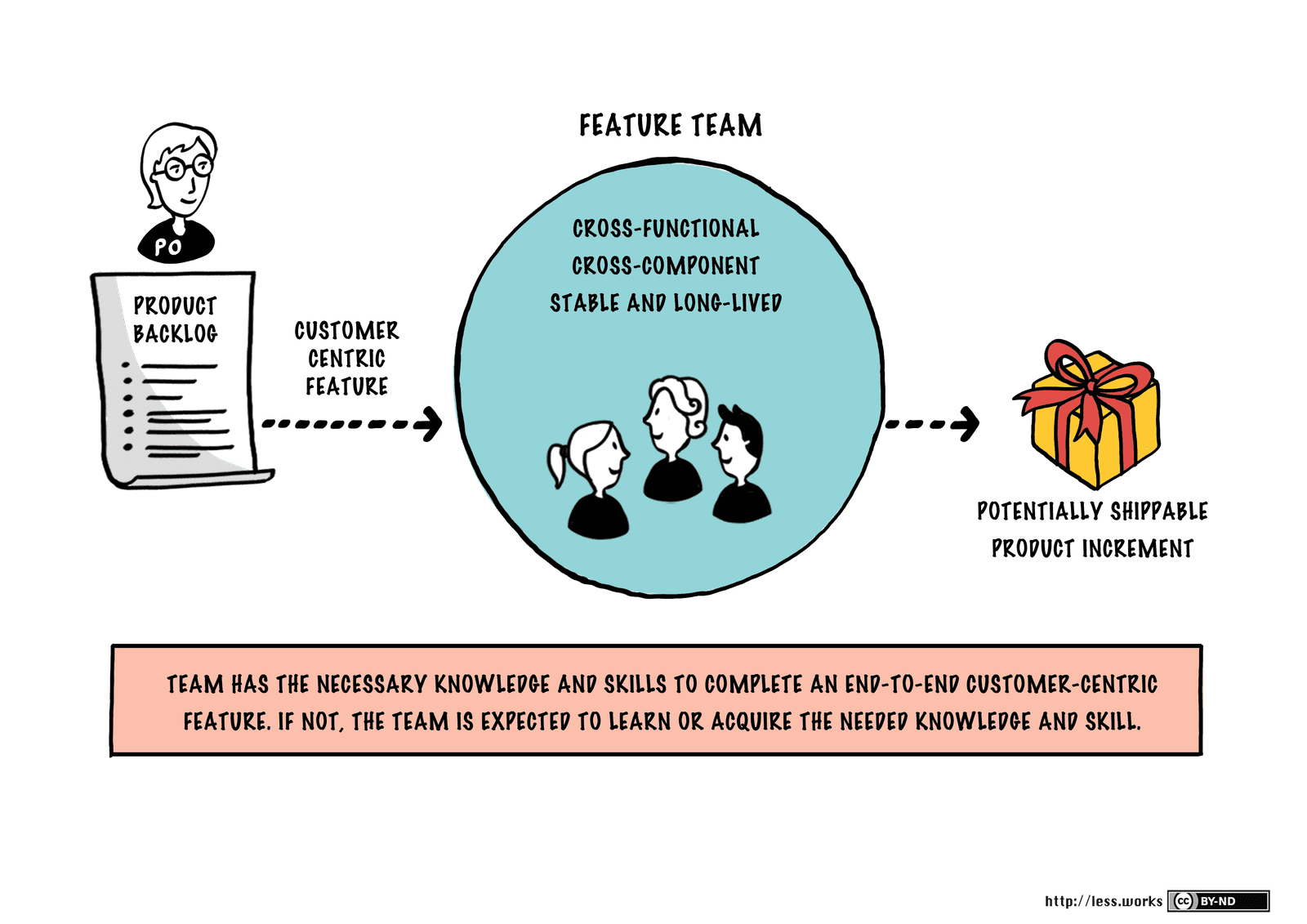
Feature Teams: Ship Value, Not Layers
A feature team owns a customer-facing feature from start to finish, unlike component teams that own a single tech layer. This reduces handoffs and speeds up delivery.
Agile Transformation Backlog: The Roadmap for Change
An Agile Transformation Backlog turns a vague vision for change into a concrete, prioritized to-do list for the entire organization. A dedicated team uses it to roll out new practices to specific departments, one small, measurable change at a time.

Work Item Age: Don't Let Your Tasks Spoil
Think of work item age as the time elapsed since a task started, like food in a fridge with an expiration date. Kanban teams use it to spot delays and bottlenecks. The biggest mistake is tracking age without acting on aging items to unblock them.
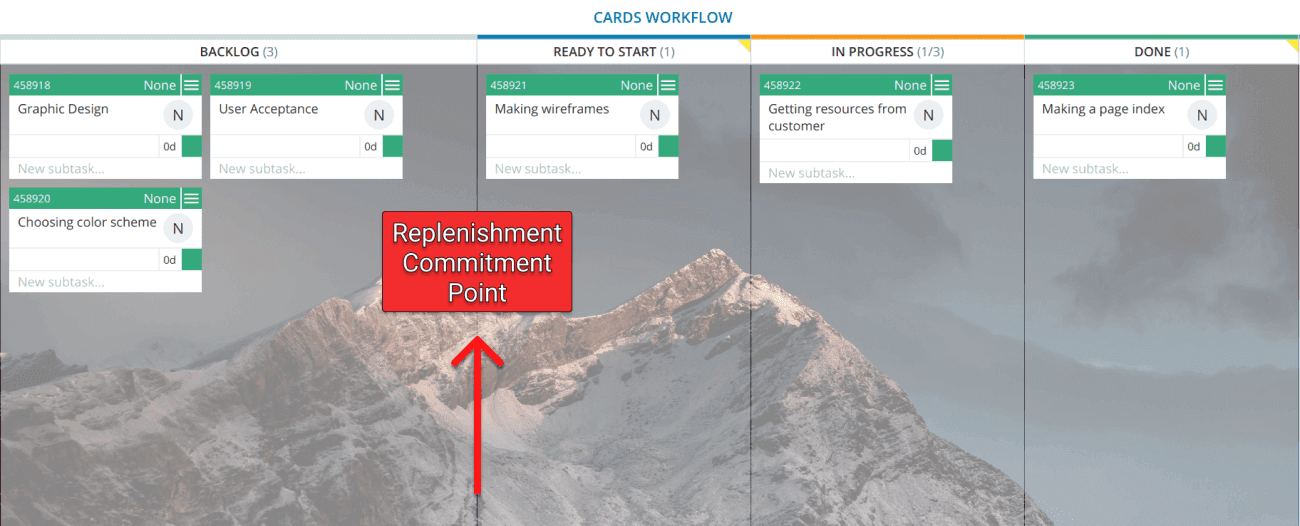
Kanban Replenishment: Pulling Work, Not Pushing It
Instead of a manager pushing tasks, a replenishment meeting is where the team pulls work into their active backlog. This cadence refills the 'Ready to Start' column, ensuring a steady flow of well-understood tasks.
A3 Problem Solving: One Page to Clarity
A3 Problem Solving makes your thinking visible, using a single-page report to map the journey from a problem to a solution. It's used to diagnose bugs or strategic issues like falling market share. The footgun is using it when options are already decided.
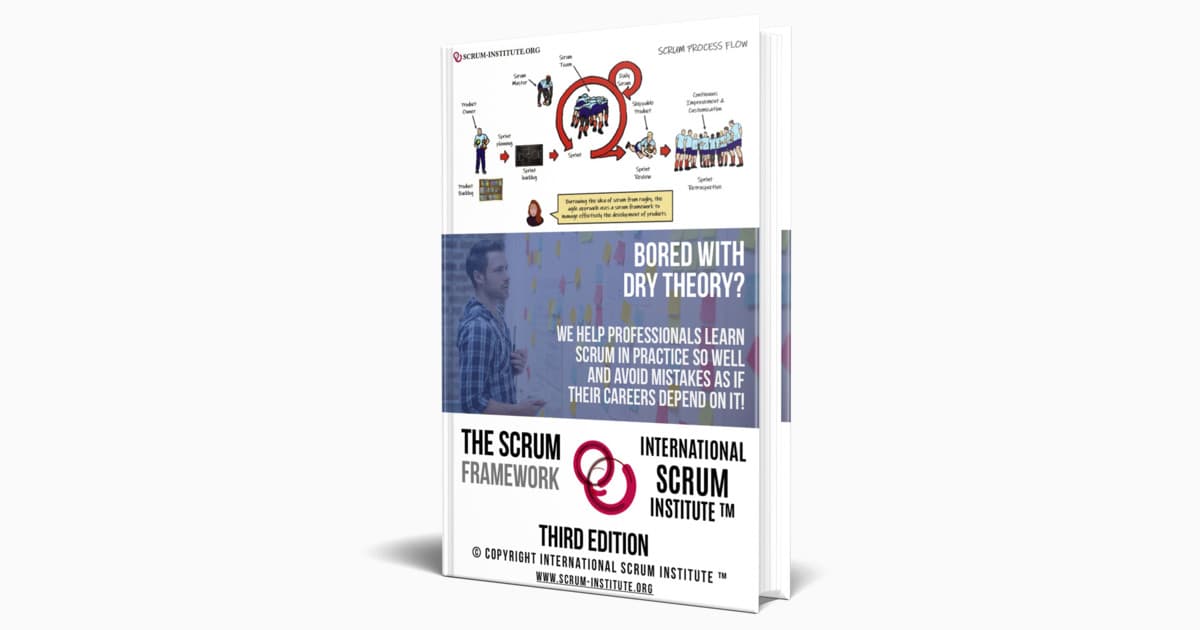
Sprint Capacity Planning: Committing to Achievable Work
Sprint capacity planning is like checking your team's fuel tank before a road trip. It calculates your team's actual available work hours for a sprint, accounting for time off, to make a realistic commitment.
We are hiring for this. Every open role lists the topics its interview covers, so you can prepare for the real thing rather than guessing.
See open roles